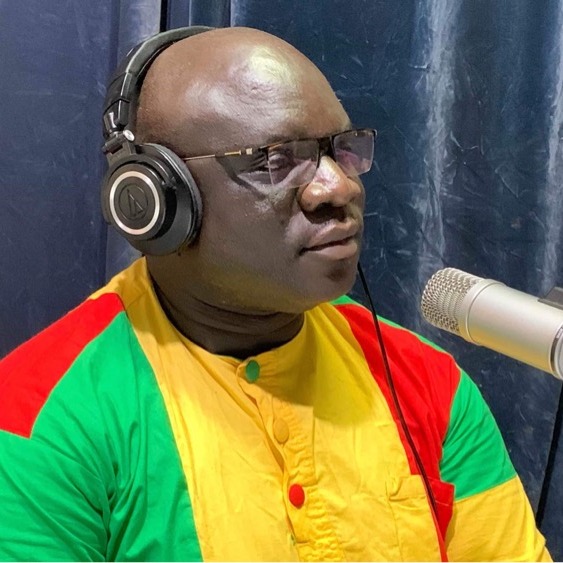

Zada Hassane Badjé, the head of Canal 3 station in Dosso and the publishing director of the newspaper Toubal Info, was released on 6 May 2026, after about eight months in detention at the Niamey Civil Prison.
He was initially sentenced to 30 months in prison following his arrest on 25 August 2025 in Dosso, in south-western Niger, after a WhatsApp audio recording was leaked and widely shared on social media. In the recording, the journalist made remarks deemed insulting toward the head of Niger’s military government, President Abdourahamane Tiani.
Zada was sentenced on 16 September 2025 to 30 months in prison and a fine of 2 million CFA francs (about $3,500) after prosecution sought a five-year prison sentence.
He was granted provisional release on 6 May 2026. His release was welcomed by civil society but is of little comfort to human rights defenders, given the recurring arrests of critical voices and media professionals recorded from 2025 to the present.
The MFWA recorded the arrest of 13 journalists or media professionals in Niger in 2025. They include the three Sahara FM journalists Hamid Mahmoud, Mahamane Sani and Massaouda Jaharou, first detained on 8 May 2025 after the station broadcast a report by the France-based outlet LSI Africa, which alleged that Niger had quietly ended its intelligence cooperation with Russia and Turkey. A judge ordered their release the next day, but they were re-arrested the same night. On 13 June, the Niamey Military Court granted Massaouda Jaharou provisional release, while Hamid Mahmoud and Mahamane Sani still remain in detention at the Kollo Central Prison.
Moussa Garba, a journalist with Dounia Radio and Television based in Maradi, was arrested on 20 June 2025 by the Criminal Investigation Police over an article he wrote, titled,“Maradi Under Tension: 4 Young Girls Missing in One Week, and Possibly More…” In the article, Garba raised concerns about young girls reported missing in Maradi. He was released two weeks later, on 7 July 2025.
Investigative journalist Ali Soumana, founder and publishing director of the weekly newspaper Le Courrier, was arrestedby Niger’s judicial police in early September 2025. His arrest followed a complaint by Prime Minister Ali Mahamane Lamine Zeine after Le Courrier published a report in late August alleging customs fraud involving traders and senior government officials. He was brought before the public prosecutor on 8 September and charged with defamation and complicity in dissemination through the press and electronic means. He was released on 22 January 2026 after more than four months in detention.
On October 30, 2025, police in Niamey arrested six journalists in connection with the leak of an invitation to a government press briefing on social media. They were Moussa Kaka and Abdoul Aziz of the Radio Télévision Saraounia group; Ibro Chaibou and Souleymane Brah, linked to the online outlet La Voix du peuple; Youssouf Sériba of Les Échos du Niger; and Oumarou Kané, founder of Le Hérisson. On 3 November, an investigating judge charged the six under the cybercrime law. Kaka, Aziz and Brah were released provisionally, while Chaibou, Sériba and Kané were remanded at the Kollo prison south of Niamey.
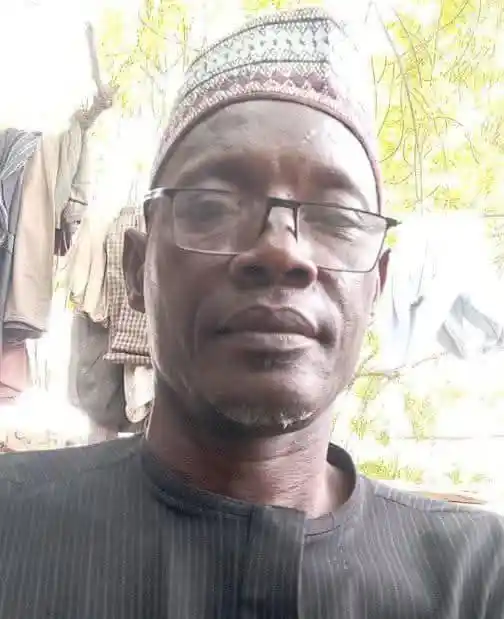
Gazali Abdou Tasawa, a Hausa-language correspondent for the German international broadcaster Deutsche Welle (DW), was arrested and detained on 23 January 2026, over his report on Nigerian refugees sleeping in the open near a cemetery in Niamey after their informal shelters were demolished. He was granted provisional release in early May 2026, after about 105 days in detention.
The cases outlined above point to a persistent decline in press freedom and freedom of expression in Niger between 2025 and 2026. Although the provisional release of journalists such as Zada Hassane Badjé and Gazali Abdou Tasawa is welcome, these releases do little to address the broader crackdown documented during the period.
The Media Foundation for West Africa (MFWA) therefore urges the Nigerien authorities to release immediately and unconditionally all journalists detained in connection with their professional activities, to drop charges that criminalise legitimate journalistic work, and to uphold national and international commitments to freedom of expression and press freedom.