
The Media Foundation for West Africa (MFWA) joins the global community in reaffirming the role of press freedom in establishing peaceful societies on the occasion of World Press Freedom Day 2026, celebrated each year on May 3. This year’s theme, “Shaping a Future at Peace”, reflects on a fundamental principle of democracy: a free and secure press is indispensable to the protection of human rights, the promotion of development, and the maintenance of security.
Worsening Global and Regional Press Freedom
Recent global assessments indicate a significant decline in press freedom. UNESCO’s World Trends in Freedom of Expression and Media Development Report (2022–2025) notes the steepest deterioration of press freedom since 2012, while the 2025 World Press Freedom Index classified the global state of press freedom as a “difficult situation” for the first time. Over four billion people now live in countries where journalism faces severe constraints.
In West Africa, the situation is equally concerning. Eleven of sixteen countries recorded declines in press freedom rankings in 2025. Persistent insecurity, military takeovers, authoritarian regimes, and insurgencies have created a hostile environment for independent journalism. Journalists across the region face arrests, intimidation, physical attacks, and in extreme cases, enforced disappearance or death.
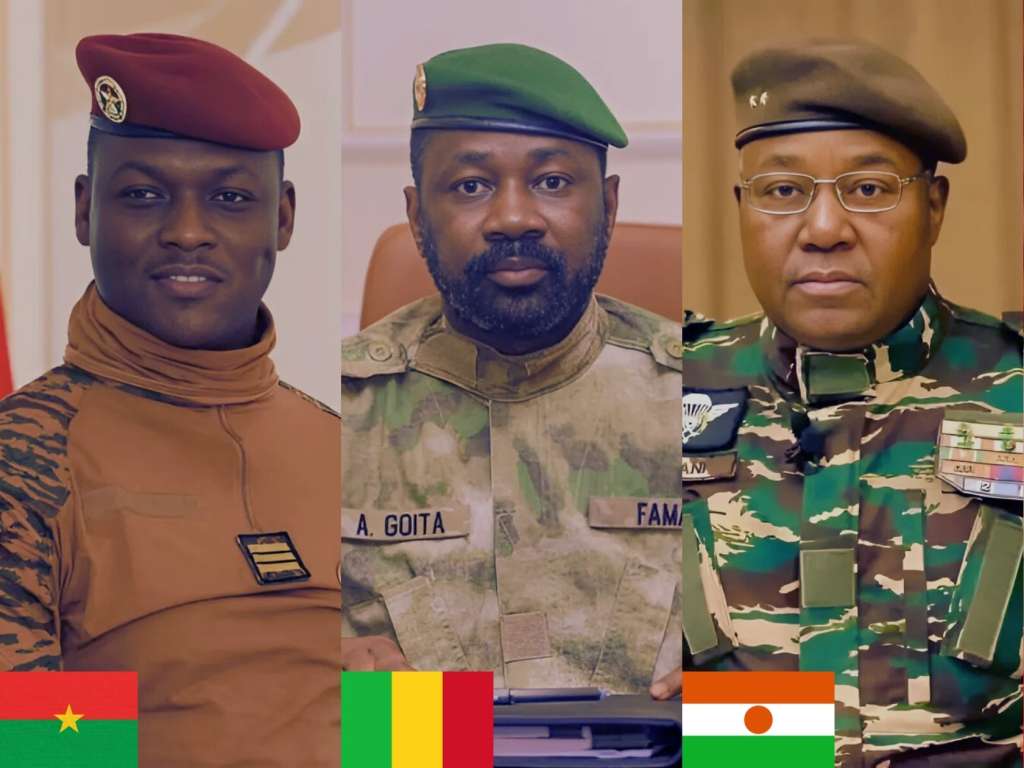
The situation is particularly grave in the Sahel, where military authorities in Mali, Burkina Faso, and Niger have intensified repression through media suppression, abductions, and forced conscription of journalists.
Beyond the Sahel, journalists in other military-led states (such as Guinea and Guinea-Bissau) and democratic contexts alike also continue to face harassment and intimidation, leading to self-censorship, attrition within the profession, and exile.
These conditions directly weaken the media’s capacity in contributing its quota to the advancement of peacebuilding in society. Self-censorship, exile, and shrinking newsroom capacity reduce the diversity and credibility of voices in the public sphere, while fear and repression allow disinformation to flourish unchecked. In such an environment, the media cannot effectively facilitate informed dialogue or build the trust necessary for social cohesion and conflict prevention.
MFWA’s Interventions for Peace and Press Freedom
As part of efforts to spotlight these trends, the MFWA offers updates and analyses drawn from our regional freedom of expression situation monitoring. From January 2024 to December 2025, we recorded approximately 214 press freedom violations across West Africa.
These violations span arrests and arbitrary detentions, physical attacks, intimidation, media suspensions, internet and broadcast shutdowns, acts of judicial harassment, and enforced disappearances. Our advocacy efforts in response to these issues have ranged from high level regional and government stakeholder engagements, open letters to authorities, and online campaigns.
In addition to these efforts, the MFWA continues to advance media capacity-building initiatives that leverage media as a tool for peace and social cohesion. In 2024, the MFWA implemented a nationwide project to promote peaceful elections in Ghana.
The initiative strengthened media capacity to raise public awareness and counter mis/disinformation, reduce inflammatory rhetoric, and enhance fact-based reporting during the December 2024 general elections. It also led to the establishment of the Ghana Fact-Checking Coalition and the Media Situation Room (MSR) a coordinated platform that improved information integrity and public confidence in the electoral processes.
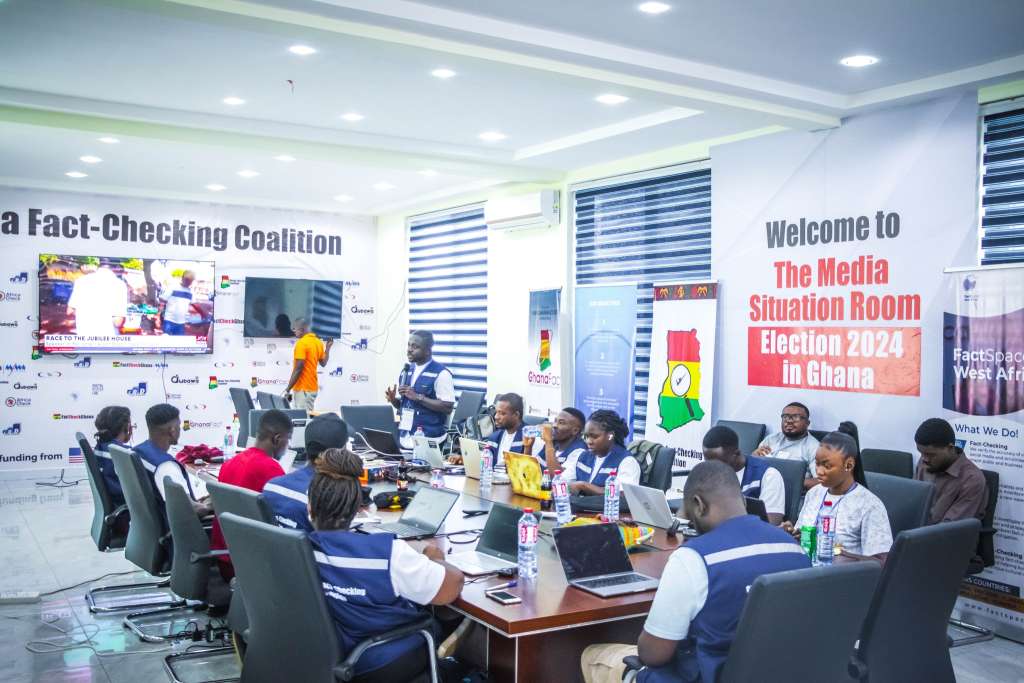
Additionally, the MFWA has trained journalists on peace journalism and conflict-sensitive reporting, reaching millions with content that promotes tolerance, informed discourse, and democratic stability. Through further interventions, we have contributed to addressing harmful narratives around farmer-herder conflicts, fostering dialogue among key stakeholders, and encouraging balanced and responsible media coverage.
Call to Action
A peaceful future cannot be realised without a free press. The MFWA, therefore calls on all stakeholders to take urgent and decisive actions to safeguard press freedom in West Africa. Governments must uphold their constitutional and international obligations by condemning attacks on journalists, prosecuting perpetrators, repealing repressive laws, and releasing arbitrarily detained media practitioners.
The military and transitional authorities in Mali, Burkina Faso, Niger and Guinea, Guinea-Bissau are urged to immediately release detained journalists, lift restrictions on independent media, and recognise free press as a cornerstone of accountable governance.
We also call on media organisations, civil society, and the international community to strengthen solidarity, support threatened journalists, document violations, and invest in the safety, legal protection, and professional capacity of independent media.
The MFWA remains steadfast in its commitment to defending the rights of all persons; particularly, journalists and activists and ensuring that they can operate without fear. Protecting press freedom is not optional, it is essential to building the just, secure, and peaceful societies we seek.