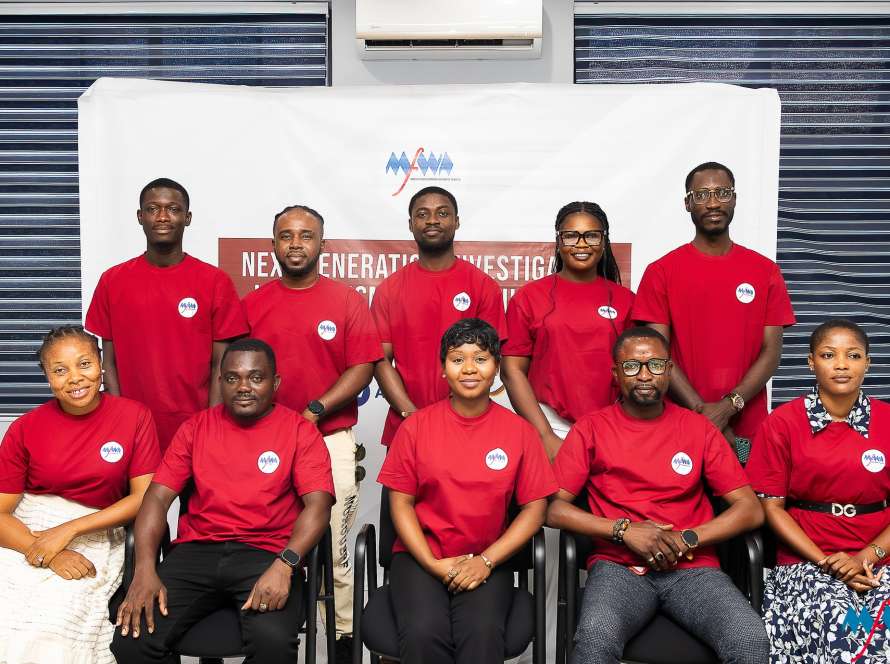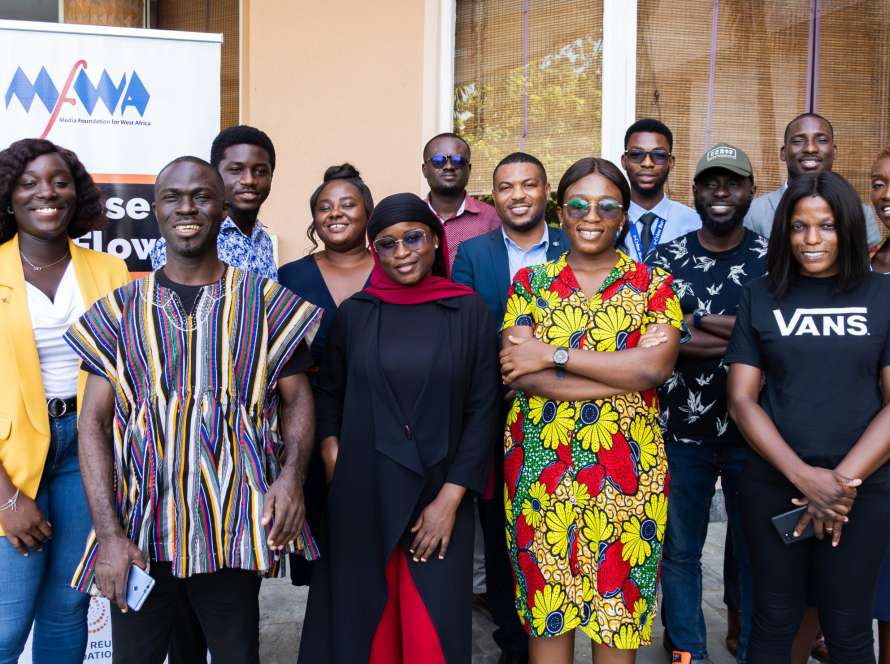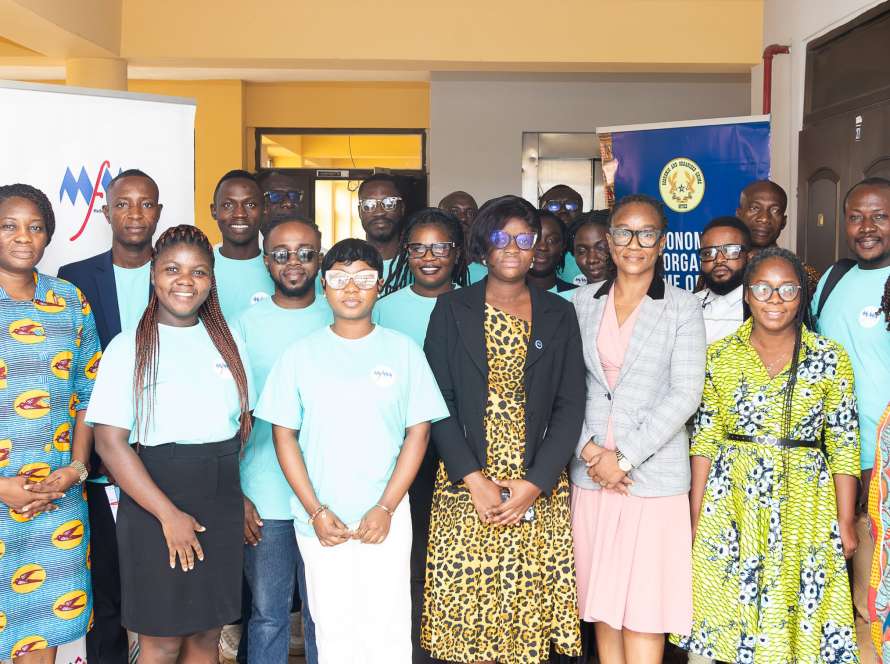

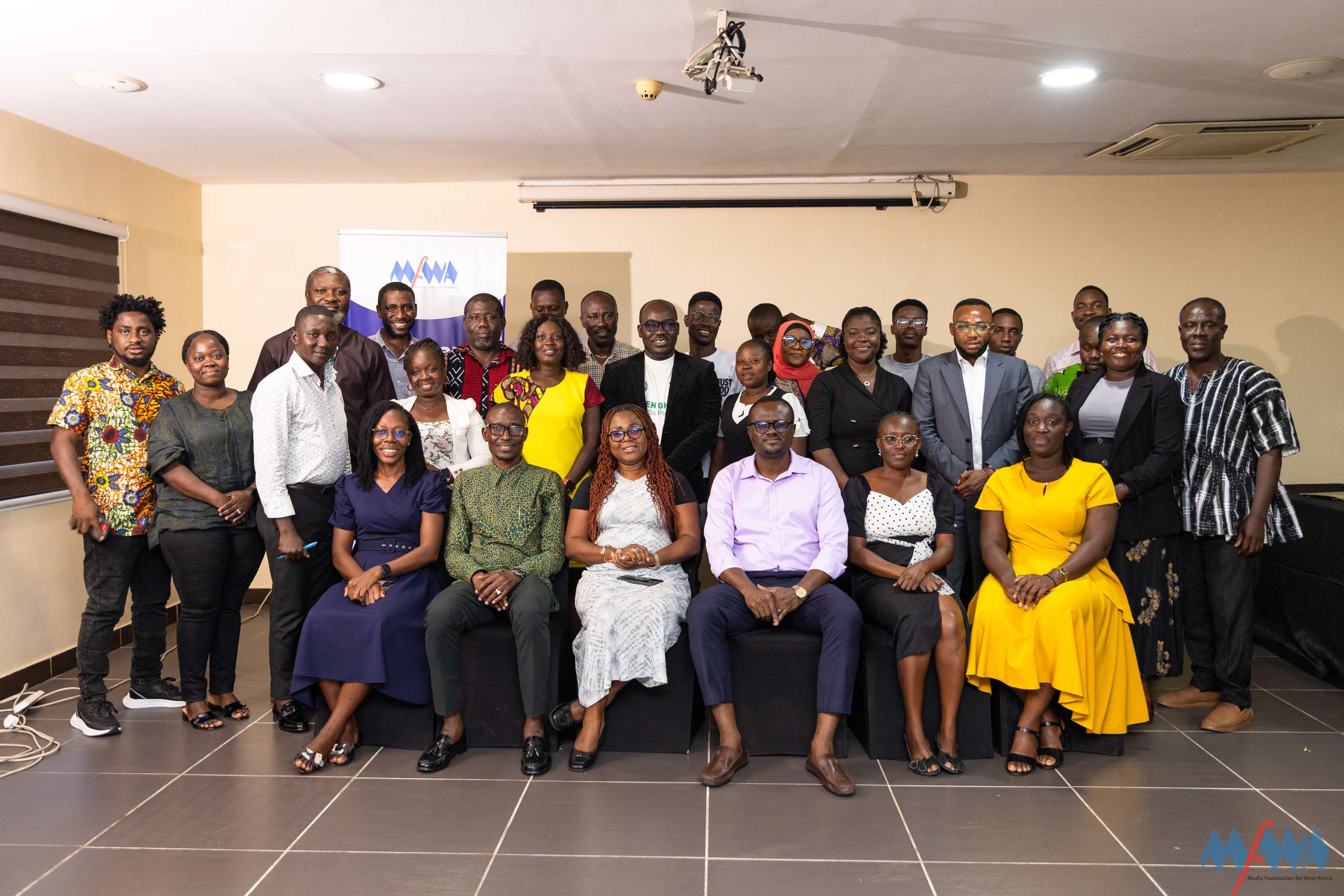
The Media Foundation for West Africa (MFWA) has trained 60 journalists, editors and media managers from across Ghana on the laws governing media practice, journalists’ rights and avenues for seeking redress.
The national training was delivered in two cohorts. The Southern cohort met in Accra from 14 to 18 September 2026, while participants from the Northern and Middle Belt regions gathered in Kumasi from 21 to 25 September 2026.
The workshops examined constitutional protections for freedom of expression, journalists’ legal responsibilities, defamation, digital and cyber-related offences, and the risks associated with arrest and detention. Participants also explored how to use the Right to Information Act to obtain records for public-interest reporting.
They discussed the legal protections available to journalists and the steps they can take when they face threats, harassment, arrest, restrictions on access to information or other interference with their work, and examined the institutions and procedures through which journalists may seek redress.
The workshops also used practical exercises to connect legal principles with editorial decisions. In a moot court on defamation, for example, participants considered how a disputed story might be assessed in a legal proceeding.
Legal practitioners Zakaria Tanko Musah and Samson Lardy Anyenini, supported by Dr Gilbert Tietaah, a communication studies lecturer at the University of Ghana, facilitated the workshops. They encouraged participants to verify information thoroughly, seek responses from people named in their reports and retain evidence supporting their stories. These practices help strengthen the accuracy and fairness of reporting. They also help journalists and newsrooms account for their editorial decisions if a publication is challenged.
The facilitators urged editors and media managers to identify potential legal risks before publication while continuing to pursue well-supported stories in the public interest. They emphasised accuracy, fair presentation, responsible sourcing and giving subjects of allegations an opportunity to respond.
Legal support for Journalists
Legitimate reporting can still lead to litigation or judicial harassment, even when journalists take appropriate editorial precautions. To help address this risk, MFWA has established a GH¢544,000 Legal Support Fund for eligible journalists and media practitioners facing legal threats connected to their professional work.
The fund complements the workshops by providing a route to legal assistance when journalists face challenges arising from legitimate reporting.
The workshops forms part of the African Media Integrity and Resilience Programme (AMIR Programme), implemented in Ghana by MFWA in partnership with DW Akademie through International Media Support (IMS), with funding from the European Union.