
Journalists in Ghana have been urged to adopt a more issues-oriented framing in reporting on corruption, to prevent partisan narratives from overshadowing substantive accountability concerns and weakening public confidence in the fight against corruption.
The call was made at a public forum in Accra organised by the Media Foundation for West Africa (MFWA) in partnership with the Commission on Human Rights and Administrative Justice (CHRAJ), the National Commission for Civic Education (NCCE), and Transparency International Ghana.
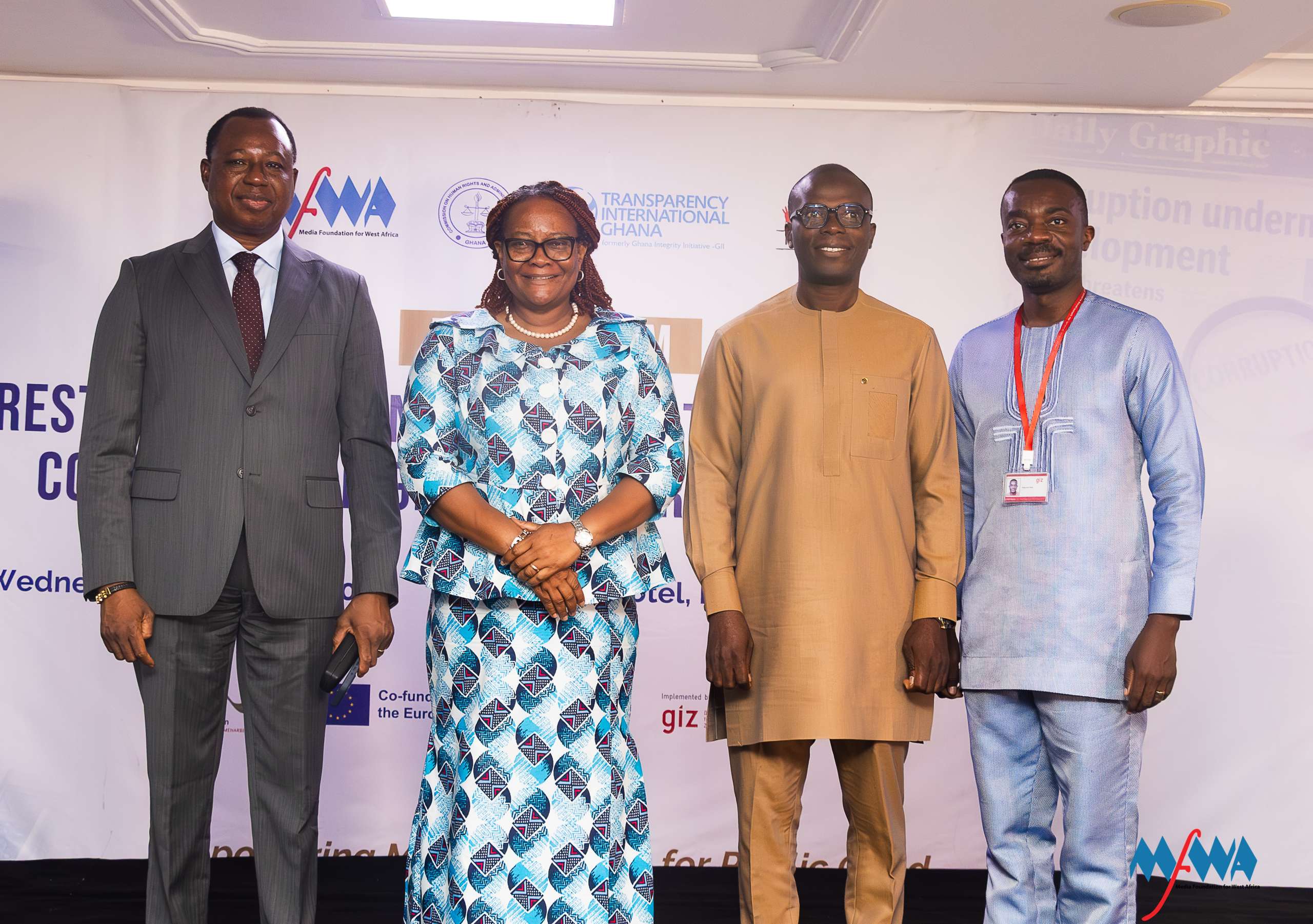
Held on June 17, 2026, under the theme, “Restoring Citizens’ Trust in the Fight Against Corruption in Ghana: The Role of the Media,” the event brought together stakeholders from anti-corruption agencies, civil society organisations, security institutions, academia and the media to examine the growing trust deficit surrounding anti-corruption efforts in the country.
Rebuilding trust in anti-corruption institutions
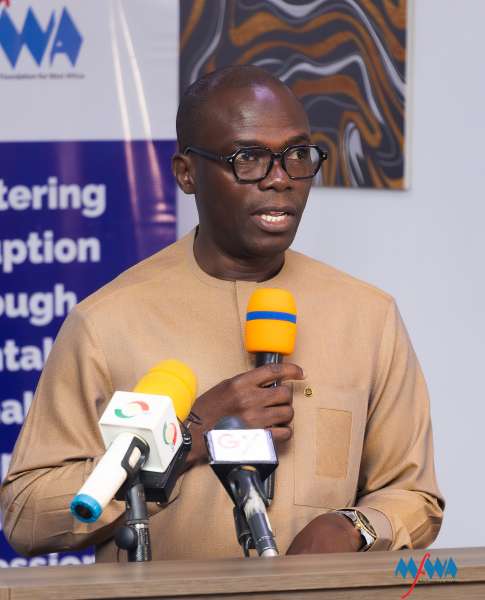
Opening the forum, Executive Director of the MFWA, Sulemana Braimah, stressed that public trust is indispensable to the effectiveness of anti-corruption efforts and democratic governance.
“Trust is the cornerstone of any functioning democracy. It grants legitimacy to our institutions, fosters confidence among citizens, and breathes life into accountability efforts. Without trust, even the most well-crafted laws and robust institutions struggle to achieve their purpose and deliver meaningful change,” he said.
Mr. Braimah observed that Ghana has, over the years, invested considerably in strengthening its anti-corruption architecture through institutions such as CHRAJ, the Economic and Organised Crime Office (EOCO), the Financial Intelligence Centre (FIC), and the Office of the Special Prosecutor (OSP), as well as initiatives including the Right to Information Act and the National Anti-Corruption Action Plan (NACAP). He added that more recent efforts, including stricter enforcement of asset declaration requirements and Operation Recover All Loot (ORAL), demonstrate continuing commitment to confronting and curtailing corruption.
However, citing findings from the 2025 Afrobarometer Survey, he noted that these efforts have yet to translate into public confidence, as many Ghanaians perceive corruption to be worsening and remain sceptical about the effectiveness of anti-corruption efforts.
While commending the media for exposing corruption, Mr. Braimah emphasised that journalism alone cannot secure accountability.
“Exposing corruption is only part of the solution. Journalism can reveal wrongdoing, but accountability requires institutions that act, leaders who demonstrate integrity, and citizens who remain engaged in demanding change,” he observed.
He further urged citizens to support anti-corruption efforts by reporting incidents, supporting investigations with evidence and making greater use of the Right to Information Act to demand accountability.
Focus on the substance of corruption
Delivering the keynote address, CHRAJ Commissioner Dr. Joseph Akanjolenur Whittal expressed concern that partisan framings and reactions to corruption allegations often eclipse the underlying issues and dilute demands for accountability.
“Often, after the media has reported on corruption, the attention moves from the substantive issues to how politicians and their supporters are reacting to the issue,” Dr. Whittal lamented.
He added that such diversions allow partisan narratives and propaganda to overshadow accountability concerns.
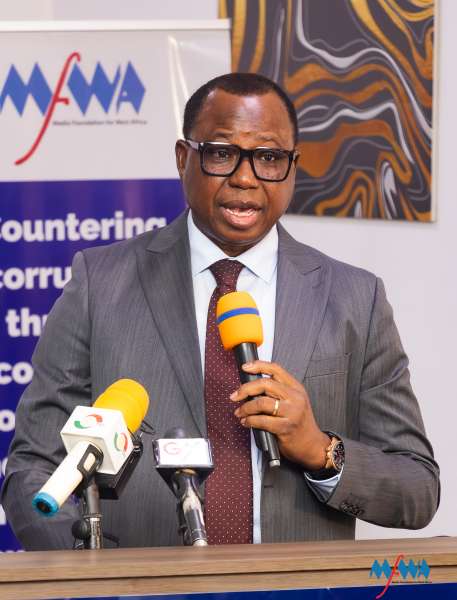
Dr. Whittal urged journalists not only to expose wrongdoing but also to sustain public attention by tracking the outcomes of corruption cases, including prosecutions, sanctions, surcharges and other punitive actions.
He further encouraged the media to prioritise reporting on systemic forms of corruption that have far-reaching consequences for national development. These include procurement fraud, conflicts of interest, abuse of public office, embezzlement and misappropriation of public funds, state capture, tax and customs fraud, electoral corruption, and corruption within local government and sectors such as education, health, mining and natural resources management.
“These forms of corruption often inflict greater economic damage than isolated bribery incidents,” he said.
Strengthening collective action
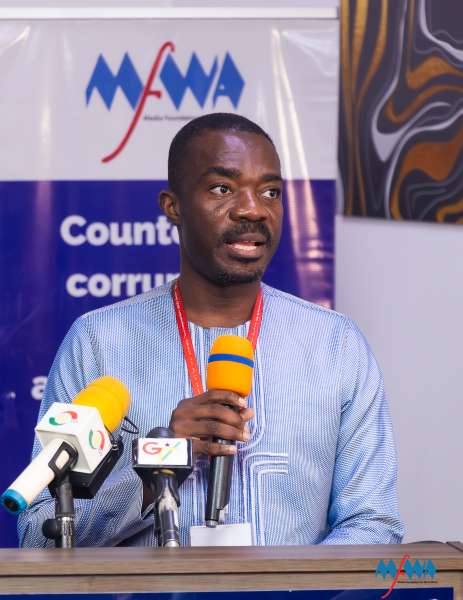
Speaking on behalf of the German Development Cooperation (GIZ), Kweku Lartey Obeng, Component Manager for the Participation, Accountability and Integrity for a Resilient Democracy (PAIReD) Programme, said the forum reflected a simple truth, that restoring trust in governance is a shared responsibility.
He observed that corruption corrodes more than public finances, eroding the everyday dignity of citizens who watch resources disappear and doubt whether reporting wrongdoing will change anything.
He described the media as central to rebuilding that trust, but cautioned that it cannot work in isolation; its impact depends on responsive institutions, engaged citizens and a political culture that embraces accountability.
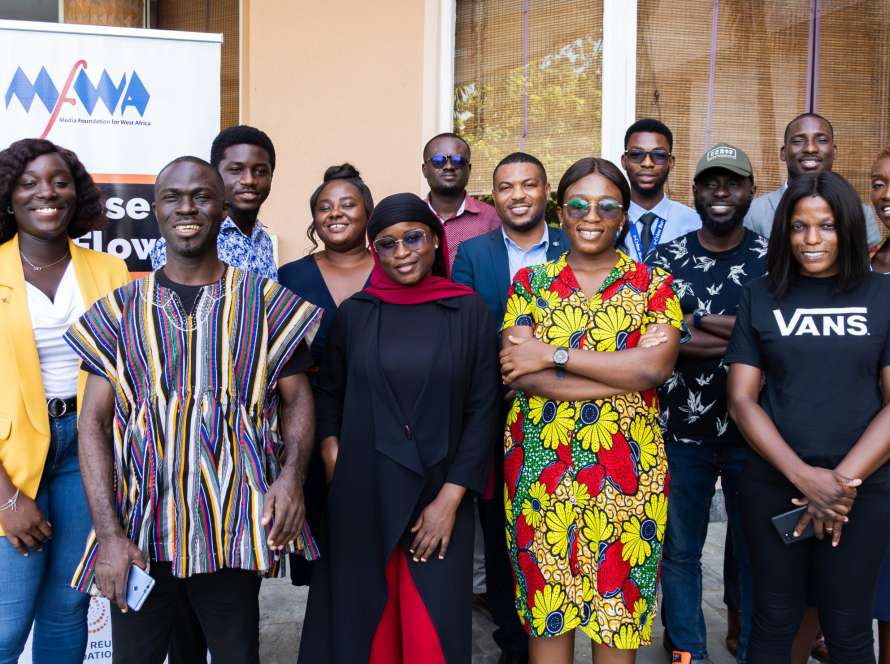
He also welcomed GIZ’s collaboration with the MFWA on anti-corruption initiatives, particularly the Next Generation Investigative Journalism (NGIJ) Fellowship which equips early-career journalists with investigative skills.
The Executive Director of Transparency International Ghana, Mary Addah, in her remarks warned that corruption remains an existential threat to Ghana and called for sustained, collective resistance to it.
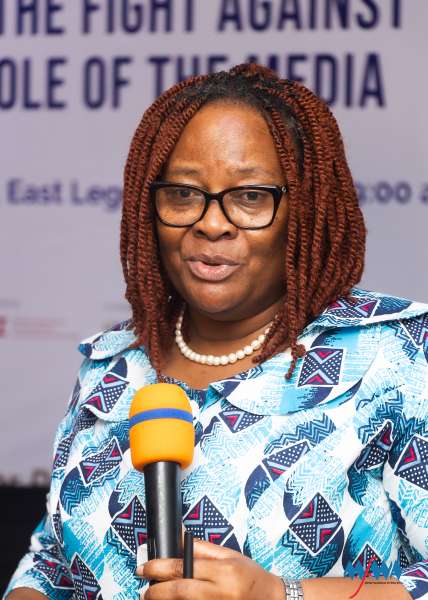
“Let us not sit aloof and watch others destroy Ghana,” she said. “We must continue to explore and embrace innovative ways of fighting corruption.”
Ms Addah urged participants to move beyond concern to action, calling on citizens to engage, take a stand, and encourage others to do the same.
Reflecting on the nature of trust in a democracy, the Director of Programmes at the National Commission for Civic Education (NCCE), Dr Imurana Mohammed, cautioned that trust must be continually renewed rather than taken for granted. “Trust is not a monument that we get up and salute,” he said. “Rather, it is a perpetual flame.”
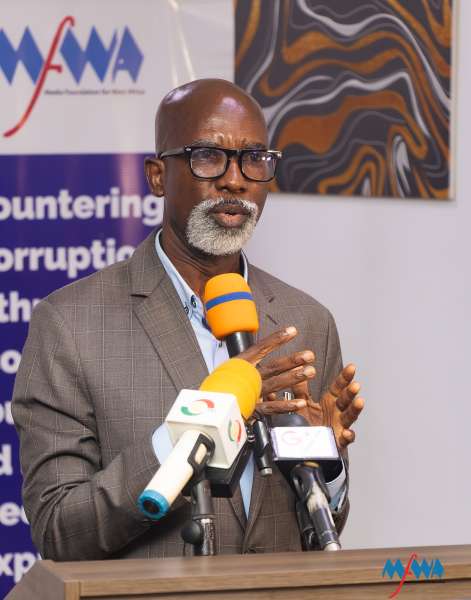
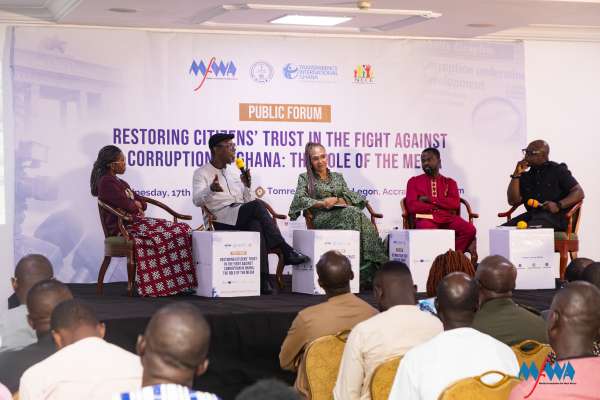
The forum transitioned into a panel discussion featuring Michael Boadi of Transparency International Ghana, Bishop Dr Suzanne Nti of Crusaders Against Corruption, investigative journalist Manasseh Azure Awuni, and NGIJ Fellow Mamavi Sephakor Tay. They examined the factors driving public distrust and explored ways the media, civil society and state institutions could work together to strengthen accountability and citizen engagement.
The forum concluded with the presentation of certificates to the graduating eighth cohort of fellows under the MFWA’s Next Generation Investigative Journalism (NGIJ) Fellowship programme.