


Media, civil society and accountability actors have called for stronger enforcement to ensure that audit and investigative findings lead to concrete action.
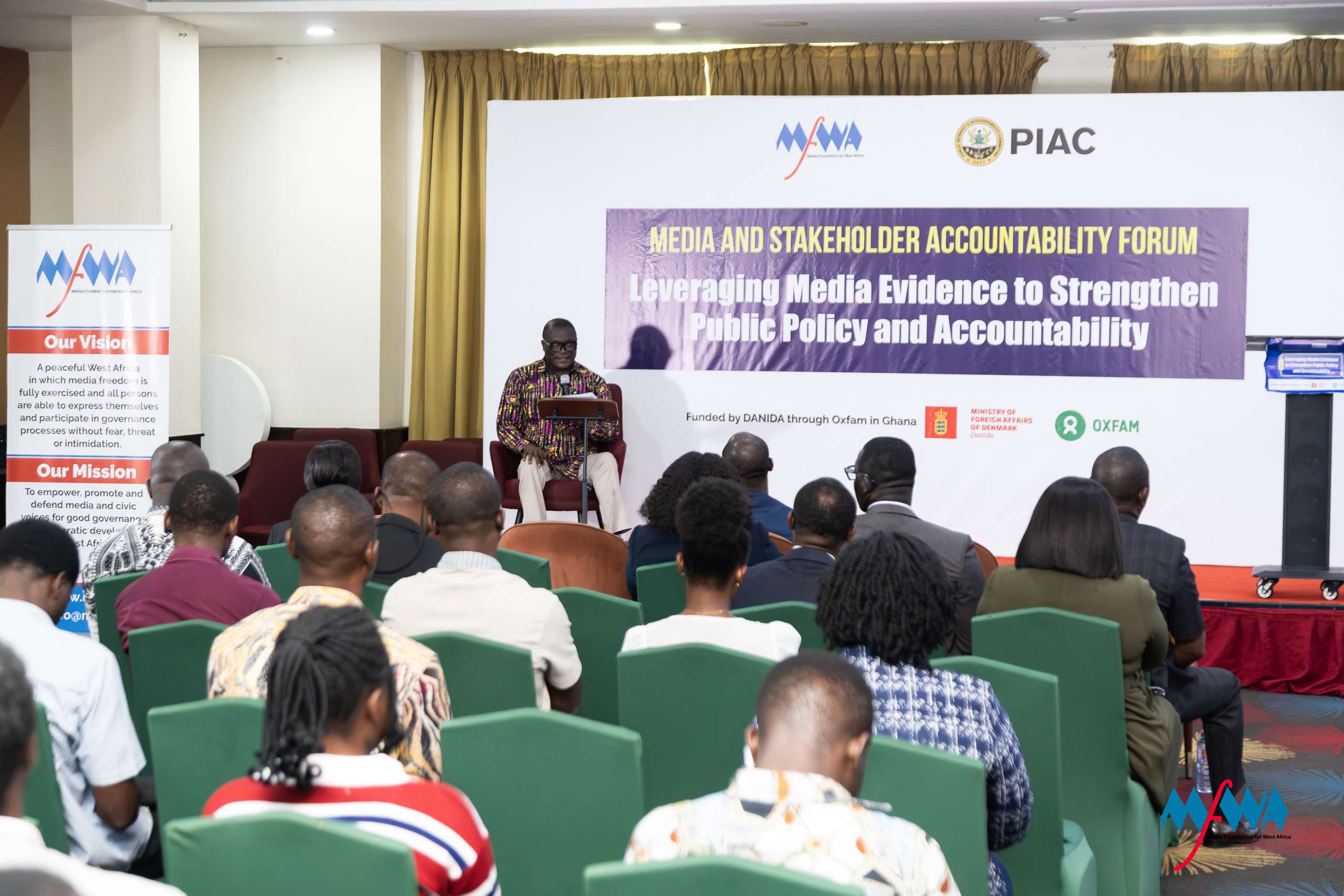
The call came at our Media and Stakeholder Accountability Forum held with support from DANIDA through Oxfam Ghana, on 21 October, 2026 at Alisa Hotel, North Ridge, Accra.
Held under the theme “Leveraging Media Evidence to Strengthen Public Policy and Accountability,” the forum brought together journalists, researchers, civil society organisations and public accountability institutions to examine how evidence of wrongdoing can inform policy, strengthen oversight and improve governance.
Participants observed that although investigative reports and official audits frequently expose financial irregularities, procurement concerns and failures in public service delivery, weak follow-up often allows these problems to persist.
Investigative journalism must lead to lasting solutions
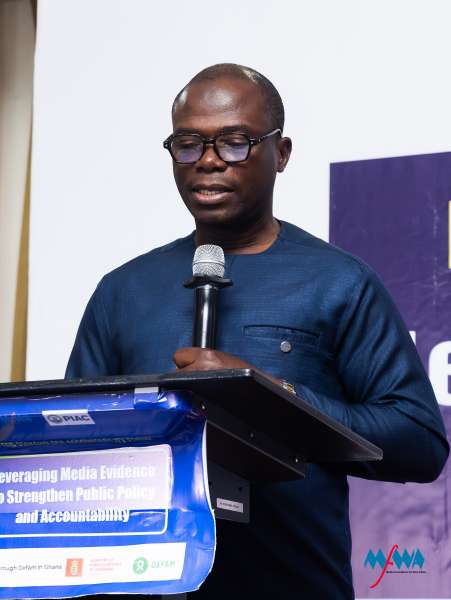
Opening the forum, our Executive Director, Sulemana Braimah, noted that investigative journalism often generates public attention without resolving the problems it exposes.
He cited reports on abandoned public projects, unsafe drinking water, inadequate educational facilities and alleged corruption as examples of issues that attract widespread public concern but remain unresolved once media attention fades.
“Journalists can expose wrongdoing, but the regulatory institutions have to investigate,” he said, calling for stronger collaboration among the media, civil society and state institutions.
Mr Braimah urged journalists to ensure their findings are credible, verified and fairly presented and to follow up on their investigations to establish whether the relevant authorities have acted and whether the problems identified have been addressed.
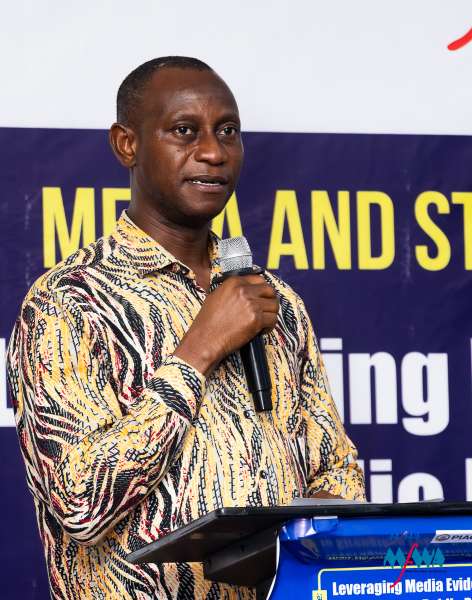
Mohammed Mahamud, Programme Manager for Accountable Governance Programme and Policy at Oxam in Ghana, said evidence that fails to influence decisions represents a missed opportunity to improve governance.
He encouraged journalists to follow public money, verify official claims and explain how government decisions affect people’s everyday lives. He also urged policymakers to treat credible media evidence as an opportunity to improve public services and rebuild public trust.
Transparency must lead to accountability
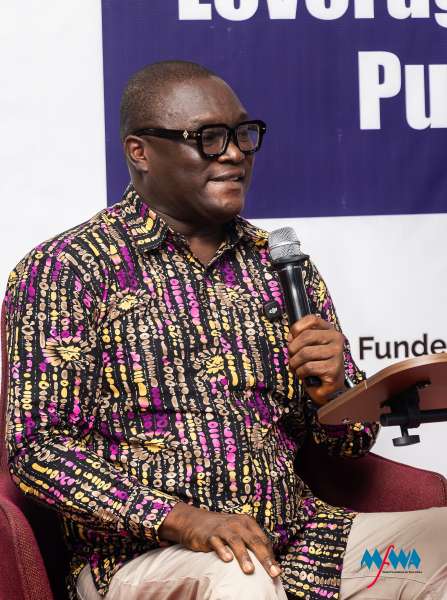
Delivering the keynote address, Richard Ellimah, Chairman of the Public Interest and Accountability Committee (PIAC), said Ghana’s challenge is not producing reports but ensuring their findings lead to meaningful consequences.
“Put differently, we have done well on transparency, as the many reports of our anti-corruption agents show. The missing leg is accountability,” he said.
Mr Ellimah noted that PIAC has published 29 reports, 14 annual and 15 semi-annual, while Ghana has earned an estimated US$11.9 billion in petroleum revenue since 2011.
He explained that although PIAC monitors the use of petroleum revenue, publishes its findings and makes recommendations, it lacks prosecutorial powers to compel action against officials found to have breached the law.
He also raised concerns about amendments to the Petroleum Revenue Management Act that removed PIAC’s guaranteed funding allocation, making its financing dependent on the Minister of Finance. Accountability institutions, he stressed, need secure funding to preserve their independence and carry out their statutory mandates.
Procurement findings highlight transparency concerns
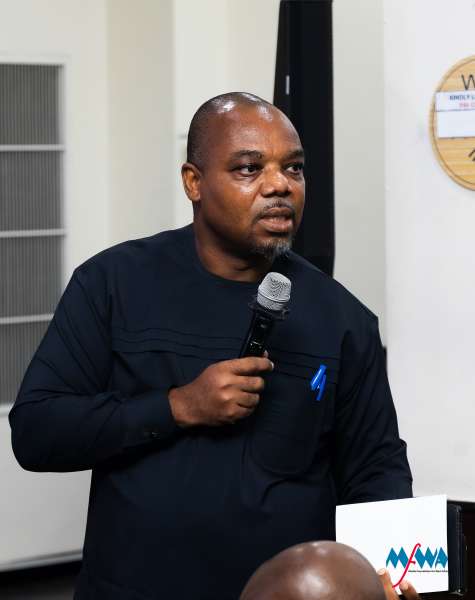
A research presentation by financial expert Major Gogo Ashifie raised concerns about the growing use of single-source procurement, declining competitive tendering, limited publication of contract awards and unresolved procurement disputes.
According to the analysis, the share of procurement value awarded through single sourcing rose from about 32.58 per cent in 2020 to 66.65 per cent in 2023. Over the same period, national competitive tendering fell from 45 per cent to about 18 per cent of procurement value.
The presentation also found that an average of about 86 per cent of contract awards were not publicly disclosed during the period, limiting opportunities for journalists and citizens to scrutinise public contracts.
The Public Procurement Authority recorded 196 formal contract disputes between 2021 and 2023, none of which was resolved by the Authority during that period.
The researchers recommended stronger enforcement of contract-publication requirements, financial penalties for non-compliance and measures to ensure procurement procedures are followed before government payments are released.
They also proposed an independent mechanism for resolving procurement disputes and stronger parliamentary scrutiny of procurement practices.
Audit findings point to gaps in financial management
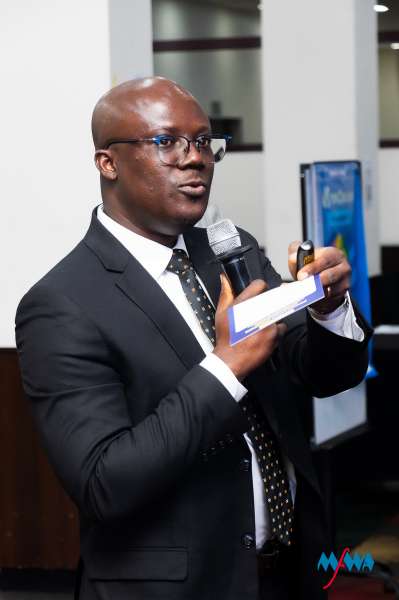
Management consultant, Nana Amankwah Appiah examined financial management concerns identified in reports by the Auditor-General and Parliament’s Public Accounts Committee.
These included salaries allegedly paid to individuals who had left public service, retired employees who remained on payrolls, unretired advances, unpaid liabilities and public funds that remained unrecovered despite recommendations for action.
He attributed these concerns to weaknesses in record reconciliation, internal controls and the implementation of audit and parliamentary recommendations.
He called on public institutions to validate outstanding balances, identify individual cases, assign responsibility to specific officers and establish clear timelines for recovery and corrective action.
He also recommended reconciling payroll records with staff headcounts and official personnel records, strengthening internal audit functions and independently verifying reported repayments.
Mr Amankwah Appiah encouraged journalists to use the Right to Information (RTI) law to obtain recovery registers, procurement records and evidence of repayments. However, he cautioned that being named in an audit report does not, by itself, establish criminal guilt, emphasising the importance of verification and fair reporting.
Stakeholders call for sustained follow-up and public access to information
During the panel discussion, William Nlanjerbor Jalulah, Associate Editor at The Fourth Estate, reiterated that journalists can expose wrongdoing but cannot enforce their findings. That responsibility, he said, rests with the relevant state institutions.
Gilbert Borketey Boyefio, Corporate Affairs Manager at Parliamentary Network Africa, called for accountability information to reach communities beyond Accra and to be communicated in local languages so that citizens can better understand decisions on public resources.
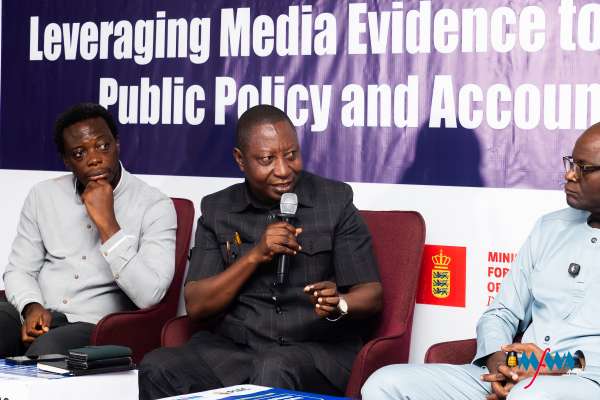
Dr Alexander Koomson, Assistant Auditor-General in charge of Local Government at the Ghana Audit Service, disclosed that the Service has developed an electronic tracking system to monitor audit findings, recommendations and their implementation. The system is expected to go live in November 2026.
Kwesi Edudzi of the National Peace Council proposed quarterly “evidence-to-action” roundtables involving MFWA, the Ghana Journalists Association, civil society organisations and other stakeholders. According to him, the proposed meetings would review investigative reports, examine institutional responses and track progress on outstanding recommendations.
Mr Edudzi also advocated for public institutions to explain their responses within 30 days and for accountability findings to be presented in plain language and local languages.
From evidence to action
The forum produced recommendations aimed at closing the gap between exposing wrongdoing and correcting it.
These include establishing clear timelines for public institutions to respond to audit and procurement findings, assigning named officers to outstanding cases, improving access to public expenditure information and strengthening the referral of serious findings to the appropriate enforcement authorities where the evidence and legal requirements justify further action.
Participants also called for stronger internal controls, improved professional capacity in public financial management and further research into how procurement irregularities affect vulnerable communities.
The discussions reaffirmed that investigative journalism is essential to public accountability but cannot deliver lasting change on its own. Media investigations must be followed by institutional responses, effective oversight and corrective action.
The success of accountability efforts, participants agreed, should be measured not by the number of reports published, but by whether public funds are recovered, irregularities corrected, public resources managed transparently and essential services improved for the people they are meant to serve.


