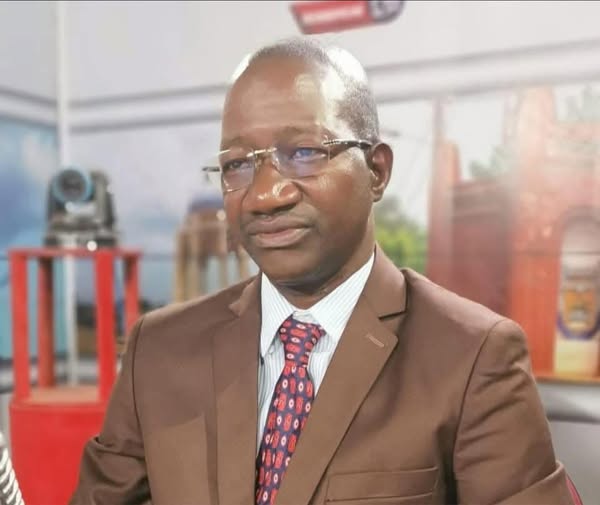

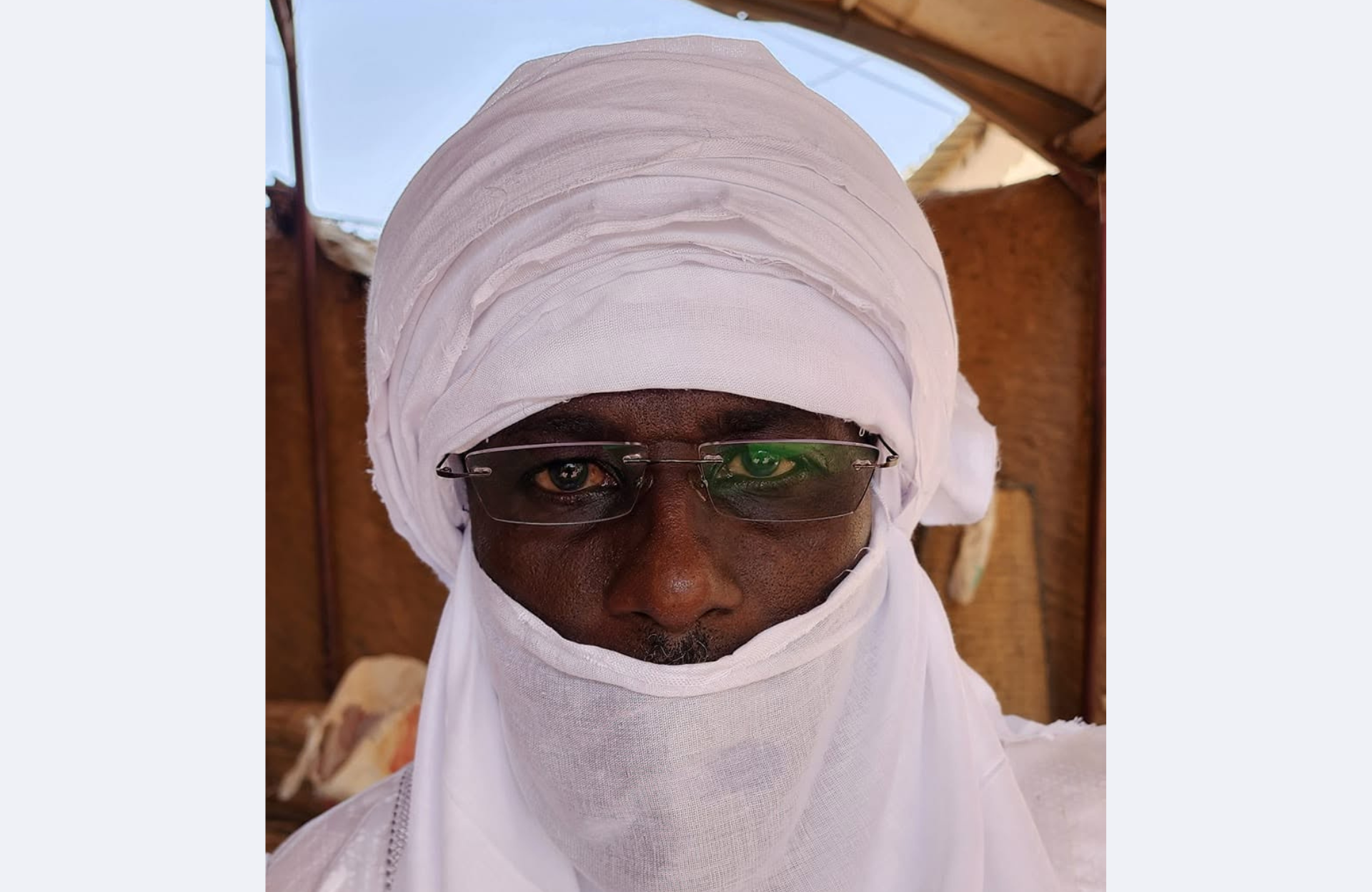
On 22 September 2026, Nigerien lawyer and activist Lirwana Abdourahamane was placed in pre-trial detention at the Niamey Civil Prison. His detention comes a day after he was placed in custody at the Cybercrime Division of the Judicial Police.
Lirwana had just returned from Zinder, in southern Niger, on 20 September, when he publicly announced on his Facebook page that he had been summoned by the Judicial Police upon his return to the capital, Niamey.
The following day, he reported to the Cybercrime Division of the Judicial Police and, after being interrogated, was placed in police custody.
According to reports, he was summoned for “disseminating data likely to disturb public order”, an offence provided for under Article 31 of Niger’s Cybercrime Law. The provision criminalises the dissemination of data deemed capable of disturbing public order or violating human dignity.
The summons was reportedly linked to recent Facebook posts by Lirwana. In recent months, Lirwana has spoken out about the country’s political and security situation. In one post published on 12 September, he reportedly claimed that the Nigerien army had split into two factions, one supporting former President Mahamadou Issoufou and the other supporting former President Mohamed Bazoum.
On 22 September, Lirwana was brought before the Deputy Public Prosecutor at the Niamey High Court. Following the hearing, he was placed in pre-trial detention and transferred to the Niamey Civil Prison. A bail request submitted by Lirwana’s counsel was denied.
Lirwana’s detention adds to concerns about the use of the Cybercrime Law to restrict freedom of expression and press freedom since the military takeover in July 2023. It follows the arrests of journalists and other critical voices on similar allegations over opinions or information shared on social media about the country’s political or security situation.
The case follows the detention and prosecution of other citizens over their publications on social media. Former Member of Parliament and supporter of former President Mahamadou Issoufou, Abdoul Moumoune Ghousmane was arrested on 16 February 2026, and sentenced to a six-month suspended prison term and fined CFAF 50,000 for “conspiracy to overthrow a constitutional regime”. This was in connection with a Facebook post in which he called on the military authorities to establish a clear timetable for a return to democratic rule.
More recently, on 2 June 2026, Nassirou Bodo, a political activist, was arrested over a Facebook post in which he called on the public to denounce what he described as “social violence exercised by the state against the population” and “the brutality of authority”, as well as “unjust evictions” affecting communities living around Niamey’s airport. He has since been placed in pre-trial detention.
Other cases include journalists such as Moussa Kaka, owner of Radio-Télévision Saraounia; Omar Kané, editor-in-chief of Le Hérisson newspaper; Souleymane Brah, a freelance investigative journalist; Abdoul Aziz, a journalist with Saraounia; Issoufou Seriba, editor-in-chief of the Les Échos media group; and Ibro Chaibou, editor-in-chief of Saraounia. Nigerien authorities arrested the journalists in October 2025 in an attempt to identify the person responsible for circulating on social media an invitation to a press conference organised by the Fonds de Solidarité pour la Sauvegarde de la Patrie (FSSP). The FSSP is a public fund established by the military authorities to mobilise citizen contributions in support of Niger’s security, food and economic sovereignty.
The Media Foundation for West Africa (MFWA) is highly concerned about the detention of Lirwana Abdourahamane, as well as the continued use of cybercrime laws in ways that may restrict freedom of speech and expression.
The MFWA calls on the Nigerien authorities to ensure that the proceedings respect his right to a fair trial and that they do not result in the criminalisation of his legitimate right to free expression. We further urge the authorities to refrain from using the Cybercrime Law to unduly restrict criticism, public debate and independent journalism.