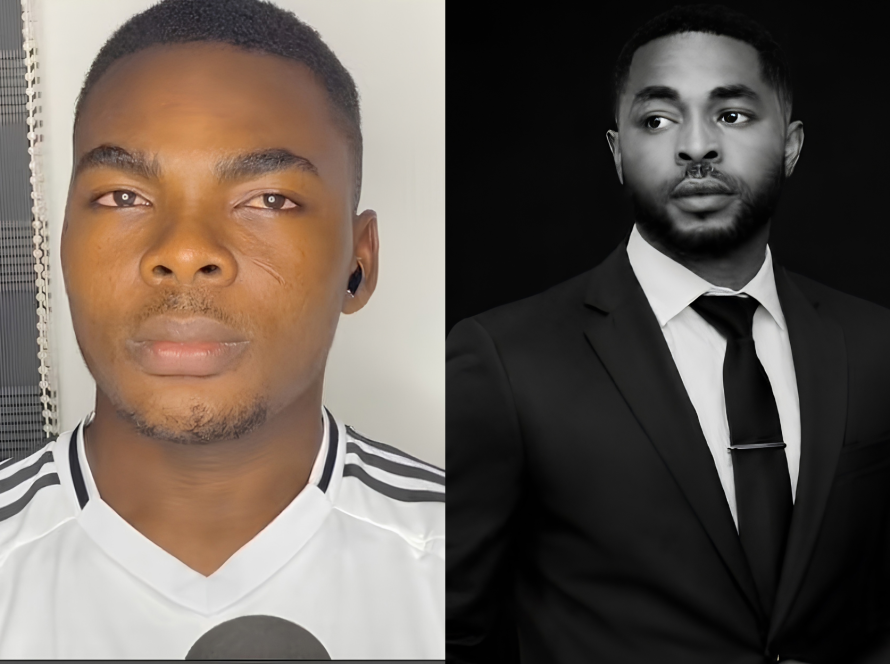

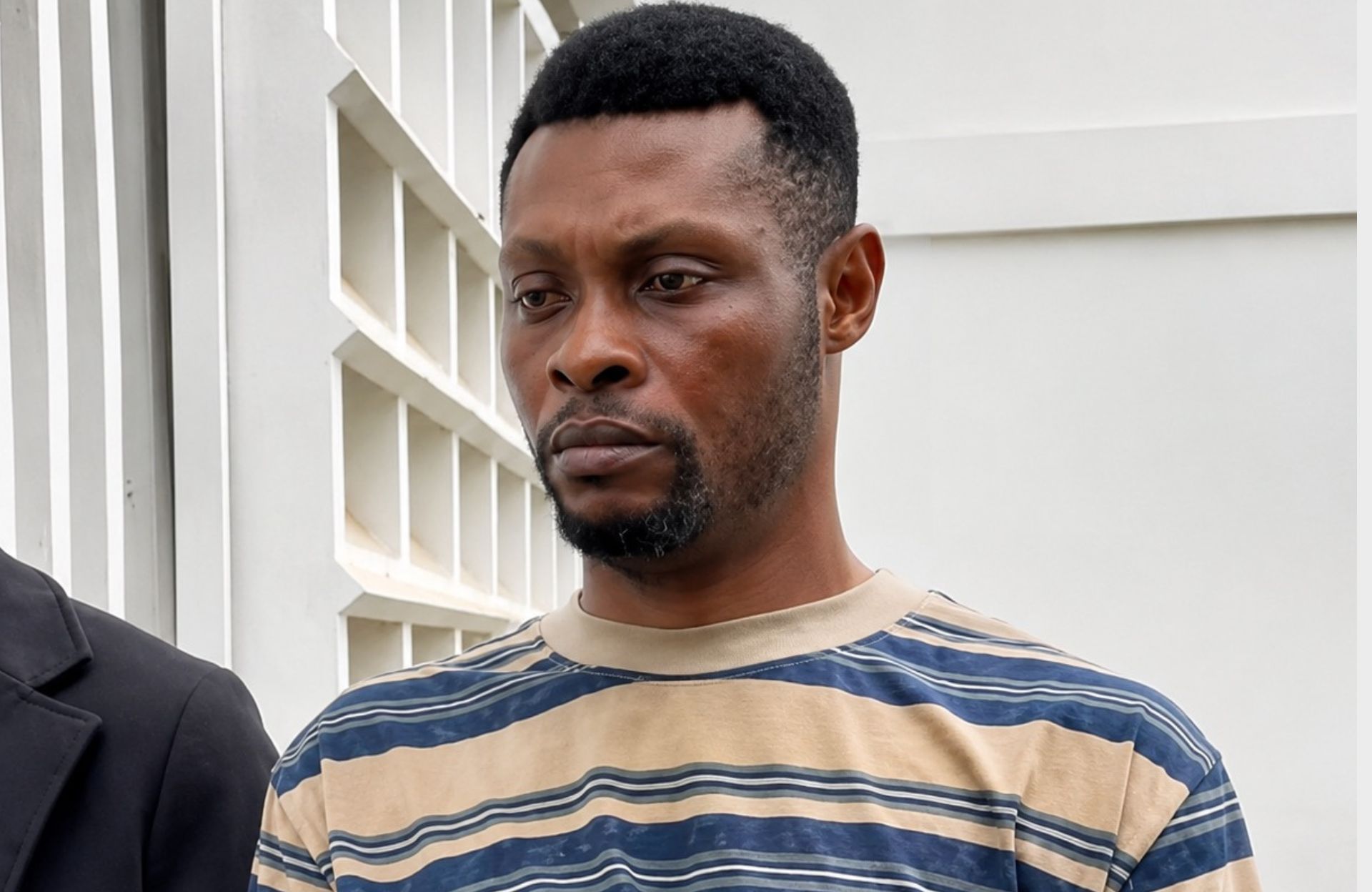
An activist of the ruling National Democratic Congress (NDC) in Ghana, Prince Aboagye, has been granted bail by an Accra Circuit Court following his arrest over alleged offensive and false statements about former Vice-President, Dr. Mahamudu Bawumia on TikTok.
Aboagye was reportedly arrested by the Ghana Police Service on July 19, 2026, following a video he posted on TikTok in which he, among other things, alleged that Dr. Bawumia was engaged in sexual affairs with the wives of Members of Parliament of the opposition New Patriotic Party (NPP).
He was subsequently arraigned before the Accra Circuit Court on July 20 and charged with offensive conduct conducive to a breach of the peace and publication of false news under Sections 207 and 208 of Ghana’s Criminal Offences Act, 1960 (Act 29).
At his reappearance in court on July 22, Aboagye reportedly admitted to recording the video and acknowledged that the allegations made in it were false. The court granted him bail of GHS 200,000 (about US$17,220), with three sureties, one to be justified with a landed property. His case has been adjourned to August 19, 2026.
Aboagye’s arrest adds to a growing list content creators in Ghana who have either been arrested and charged with Section 76 of the Electronic Communications Act, 2008 (Act 775), and Section 208 (sometimes paired with Section 207) of the Criminal Offences Act, 1960 (Act 29).
It also raises legitimate concerns over polarization of political and social discourse in Ghana where social media users making false remarks, allegations, and threats against individuals, particularly public office holders in the country.
In two other recent cases, TikTok content creator Mahama Aminat, known as “Bawumia Ba,” was re-arrested by the Ghana Police for alleged threats she made against President John Mahama and the First Lady, Lordina Mahama, in videos posted on TikTok.
On July 16, 2026, the Accra Circuit Court sentenced TikToker Camilla Alhassan to one year in prison for threatening President John Dramani Mahama and sharing false claims about him.
The MFWA continues to urge all online content creators and the general public in Ghana to verify information before sharing, and to refrain from making or amplifying unproven, defamatory allegations that amount to disinformation or hate speech.