
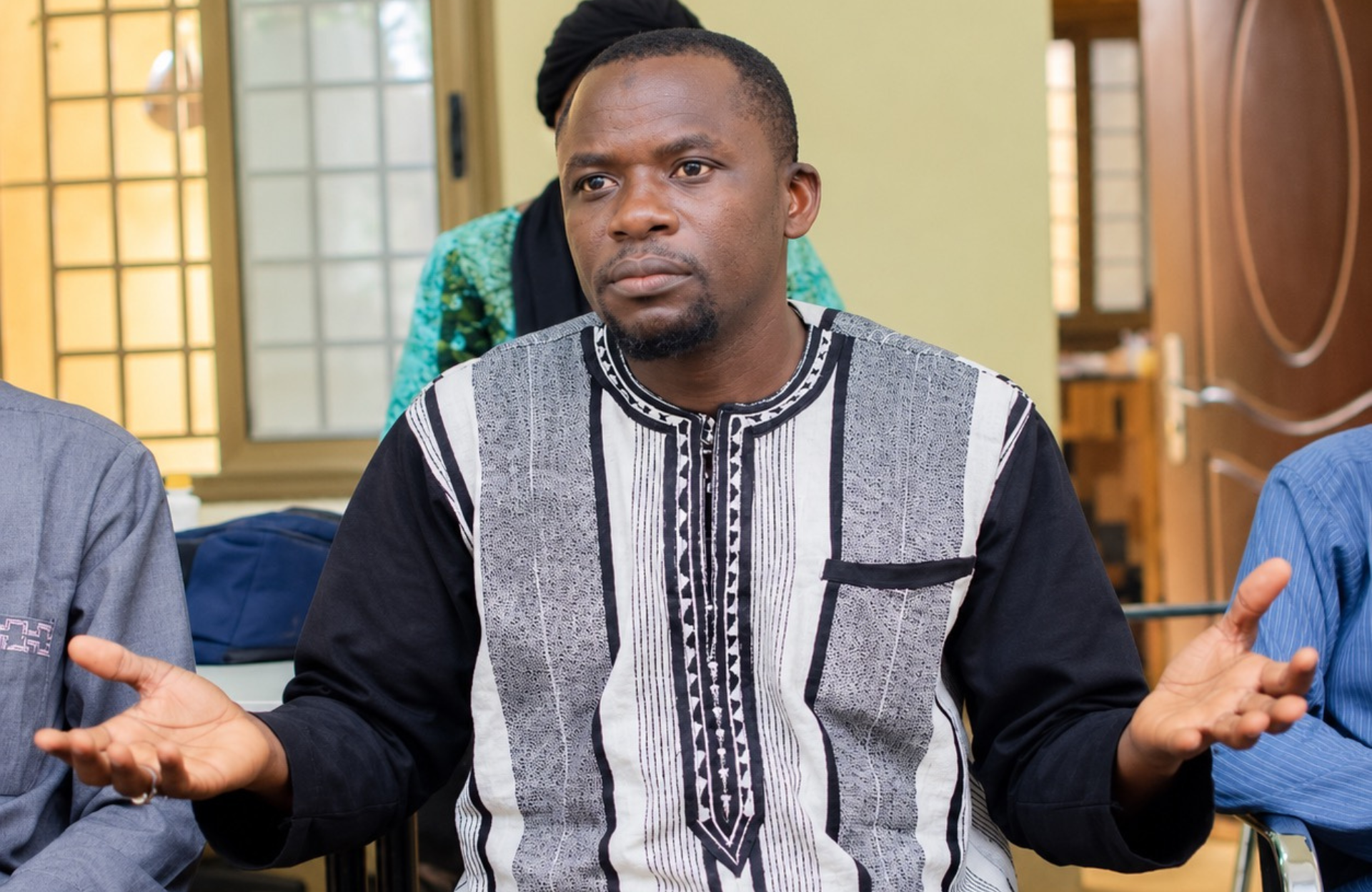
Nassirou Bodo, a political activist, was arrested on June 2, 2026, by the Judicial Police in Niamey, following a Facebook post criticising Nigerien authorities. He was placed under a detention warrant the following day after being presented to the prosecutor and detained at the Niamey Civil Prison.
On June 1, 2026, Nassirou Bodo made a Facebook post in which he called on the public to speak out against what he described as “social violence perpetrated by the state against the population.”He also denounced the “brutality of the authorities” as well as the “unjust evictions” of residents living near Niamey International Airport, which he said violated Article 32 of Niger’s Refoundation Charter.
The airport area was targeted in an attack on January 29, 2026, which was claimed by the Islamic State in the Sahel. The authorities have justified the demolition of homes in the area on security grounds.
In the same Facebook post, Bodo raised concerns about insecurity and limited access to water and electricity. His post further called for a renewable one-year campaign of civil actions targeting officials of the ruling Refoundation authorities.
According to local media reports, Bodo was charged with “disseminating information likely to disrupt public order.” The prosecution was reportedly brought under Niger’s cybercrime law following his Facebook publication.
Bodo’s arrest comes amid concerns over the ongoing crackdown on freedom of expression in Niger since the military takeover in July 2023. In 2025 alone, the Media Foundation for West Africa (MFWA) recorded the arrest of 13 journalists and media professionals in the country. Several other cases have involved civil society activists and other critics of the authorities.
The MFWA condemns the detention of Nassirou Bodo. We call on the Nigerien authorities to drop any charges that are based solely on the legitimate exercise of his right to freedom of expression.
The authorities must uphold Niger’s national, regional and international obligations to protect freedom of expression. They must also ensure that citizens, journalists and activists can express themselves freely without fear of reprisals, especially when speaking on matters of public interest.