


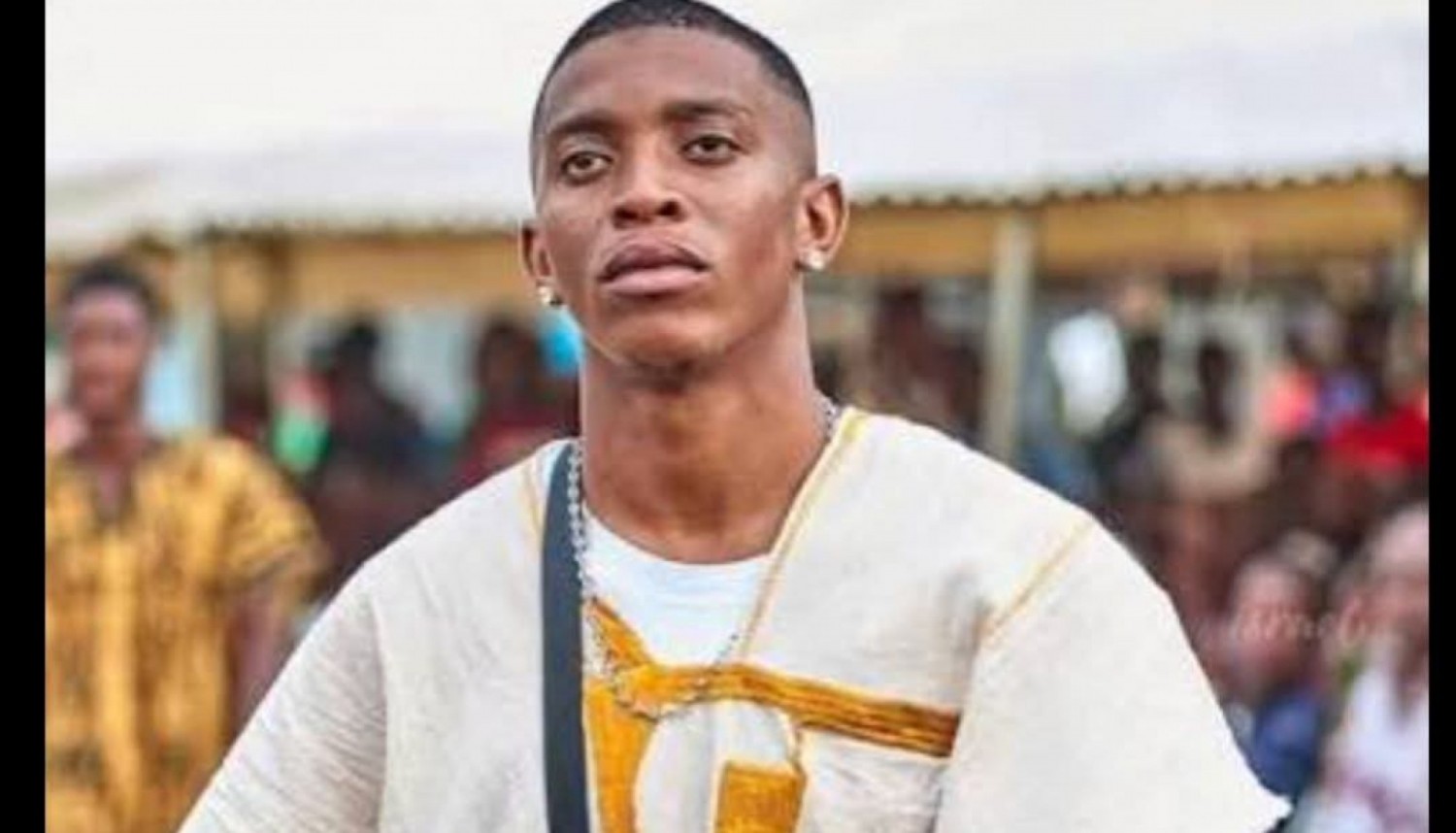
Digital activist Ibrahim Zigui, a member of the PPA-CI, the main opposition party, was sentenced on 18 May 2026 to five years’ imprisonment and a fine of 20 million CFA francs (approximately US$35,500) by an Ivorian court. He was found guilty of “inciting insurrection” and “disorderly conduct.” Zigui, who has some 600,000 followers on TikTok and 250,000 on Facebook, regularly publishes videos critical of the Ouattara government.
The sentence comes after several months of pre-trial detention. Ibrahim Zigui was remanded in custody following his arrest on 1 September 2025 in Abidjan, after he posted a video calling on Ivorians to take to the streets ahead of the Constitutional Council’s publication of the final list of candidates for the October 2025 presidential election.
According to reports, armed men forced their way into Zigui’s home before taking him to an undisclosed location. For several days, no official information was provided regarding his whereabouts, fuelling widespread concern and speculation that he was a victim of a forced disappearance.
It was not until several days later that his lawyer, Ange Rodrigue Dadje, announced in a post that he had visited the prison, the Pôle Pénitentiaire d’Abidjan (formerly known as MACA), following rumours that his client was being held there. The lawyer reportedly located Zigui at the facility and described him as physically weakened and held under harsh conditions, having spent several days without contact with either his family or legal counsel.
In the video that led to his arrest, Ibrahim Zigui had urged opposition supporters to occupy public spaces carrying Ivorian flags in protest against the potential exclusion of certain candidates from the presidential race. The authorities deemed that these remarks were likely to incite public unrest in an already tense pre-electoral climate.
On 1 March 2026, several months after his arrest, the digital activist released a statement in which he issued a public apology to the Ivorian Constitutional Council and its President, Chantal Nanaba Camara. He acknowledged that his statements had been “inappropriate” and “disrespectful,” and said that his time in detention had led him to reconsider his words. His lawyer has announced his intention to appeal the conviction, describing the sentence as “excessively harsh.”
The conviction has reignited concerns over the protection of freedom of expression and civil liberties in Côte d’Ivoire. It is part of a broader crackdown during the October 2025 election period, in which 1,658 people were arrested, according to Amnesty International. On 10 March 2026, the organisation called for the release of those detained “without cause,” including pregnant women sentenced without legal representation. Days before Zigui’s sentencing, former President Laurent Gbagbo publicly defended him, asking: “What exactly is he accused of? Is he going to stage a coup d’état with social media?”
Article 19 of the International Covenant on Civil and Political Rights, ratified by Côte d’Ivoire, guarantees everyone the right to freedom of expression, including the freedom to seek, receive, and impart information and ideas. The African Charter on Human and Peoples’ Rights likewise protects the right of citizens to express their opinions freely within the bounds of the law.
The Media Foundation for West Africa (MFWA) is concerned at the sentencing of Ibrahim Zigui and reiterates that political opinions, even those that are critical or controversial, must be protected in a democratic society. We call on the Ivorian authorities to ensure that laws relating to public order and national security are not used to criminalise political expression, dissenting views, or peaceful calls for civic mobilisation.
The MFWA further urges the authorities to uphold international standards on freedom of expression, human rights, and the right to a fair trial, in line with Côte d’Ivoire’s regional and international commitments.


