
The founder of the Media Foundation for West Africa (MFWA), Prof. Kwame Karikari, has renewed calls for the imperative of a broadcasting law in Ghana, warning that the continued absence of a responsive regulatory regime undercuts the potential for professional practice and institutional development.
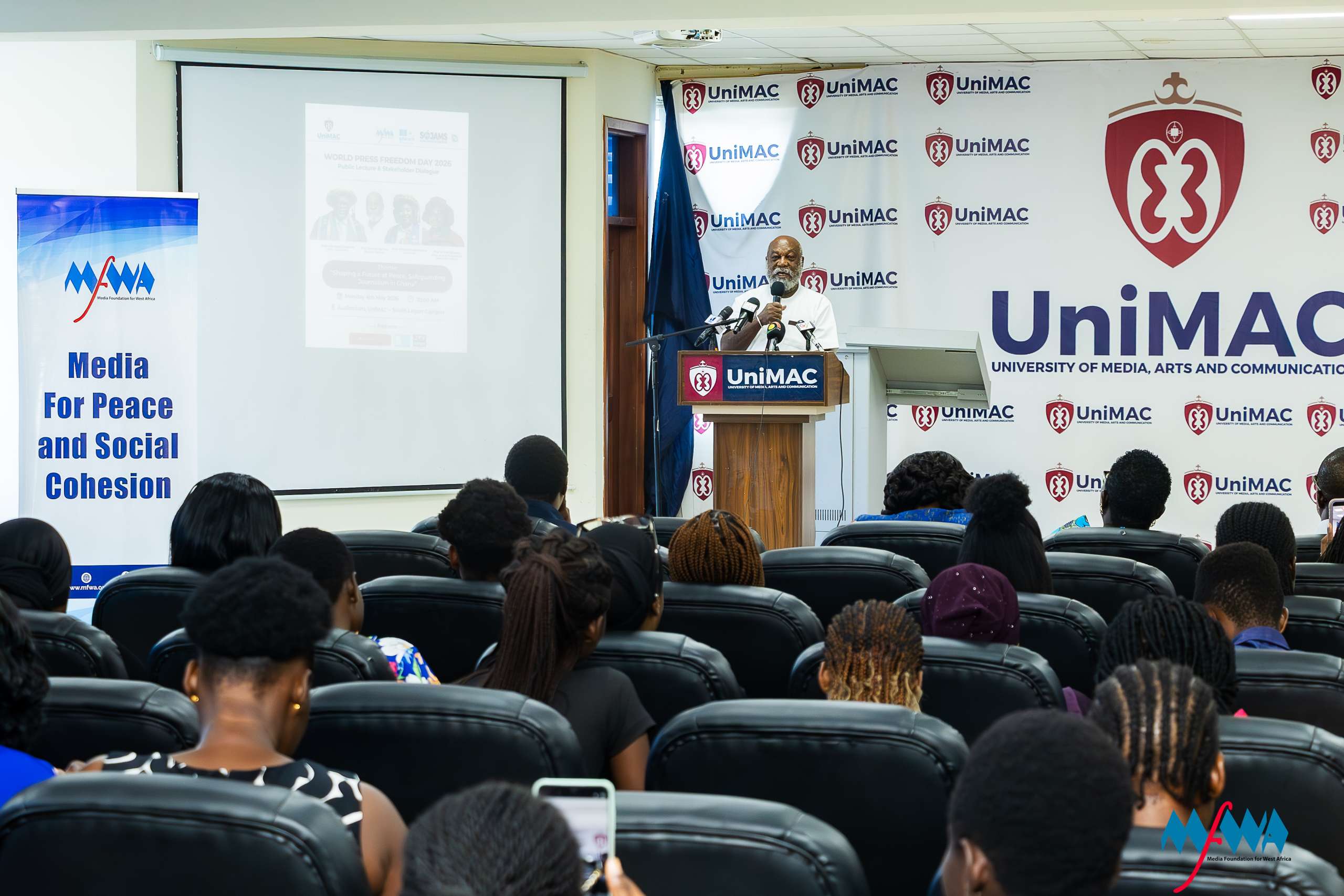
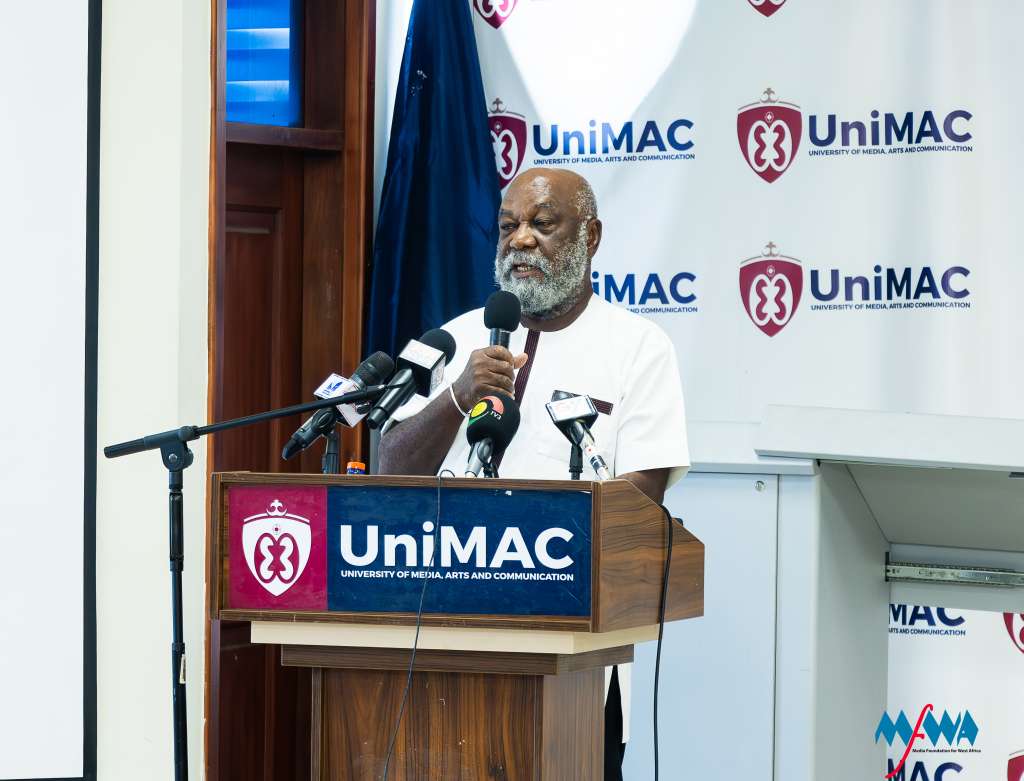
Delivering a public lecture at a stakeholder event to commemorate World Press Freedom Day 2026, Prof. Karikari stressed that nearly three decades of inertia on the Broadcast Bill, first introduced in 1998, has created a legal vacuum that undermines accountability, transparency, and professionalism in the media.
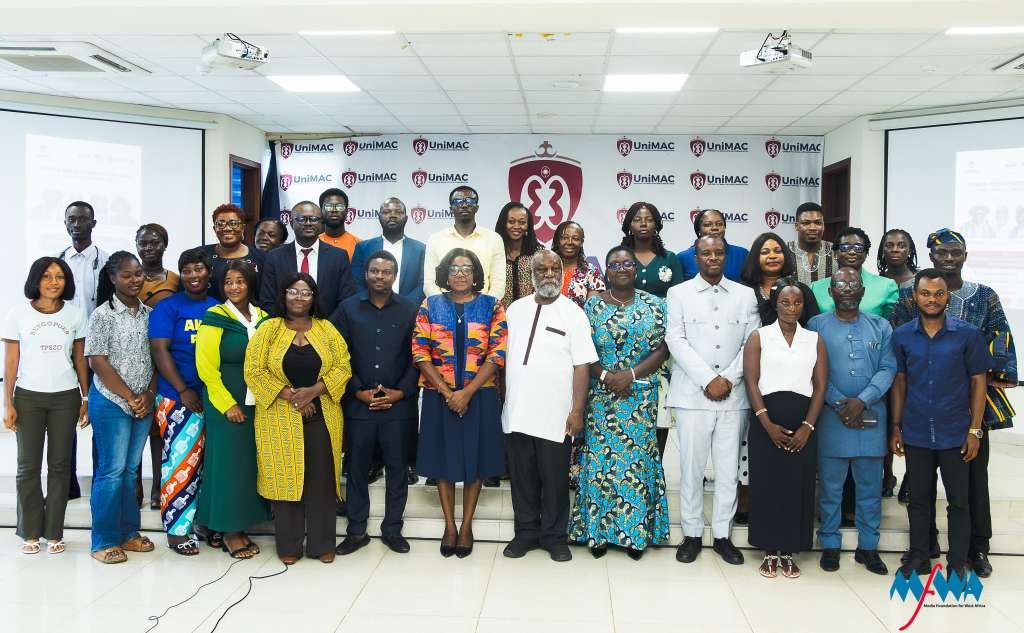
The event was organised under the theme, “Shaping Future at peace: Safeguarding Journalism in a Democratic Era”. It brought together journalism practitioners, students and educators; policymakers, media rights promoters and civil society actors. It was hosted by the University of Media, Arts and Communication (UniMAC) in partnership with the MFWA and the Ghana Commission for UNESCO.
Persistence of a Regulatory Inertia
Prof. Karikari lamented that broadcasting in Ghana continues to operate without a comprehensive, coherent legal framework. The sector is currently governed by a patchwork of cognate laws, including the Electronic Communications Act, 2008 (Act 775) and the National Communications Authority Act, 2008 (Act 769). Regulatory responsibilities are split between the National Communications Authority (which handles licensing and technical oversight) and the National Media Commission (which promotes ethical standards and media independence).
This fragmented arrangement leaves critical gaps; particularly in addressing questions of ownership concentration and political capture, professional commitments and public interest obligations. The result is an ecosystem that falls short of the progressive provisions for media freedom and professional standards envisaged by the Constitution.
Cost and consequence of inaction
Prof. Karikari warned that the absence of a single unified legal framework has far-reaching consequences: “The vacuum is a major source of the problems of regulation and professionalism that we are concerned with today.” It not only weakens oversight of media generally, but also fuels the accountability deficits as unverified online content gets amplified in mainstream media, accelerating the spread and malign effect of disinformation; “a matter that requires critical attention to fact-checking,“ he admonished.
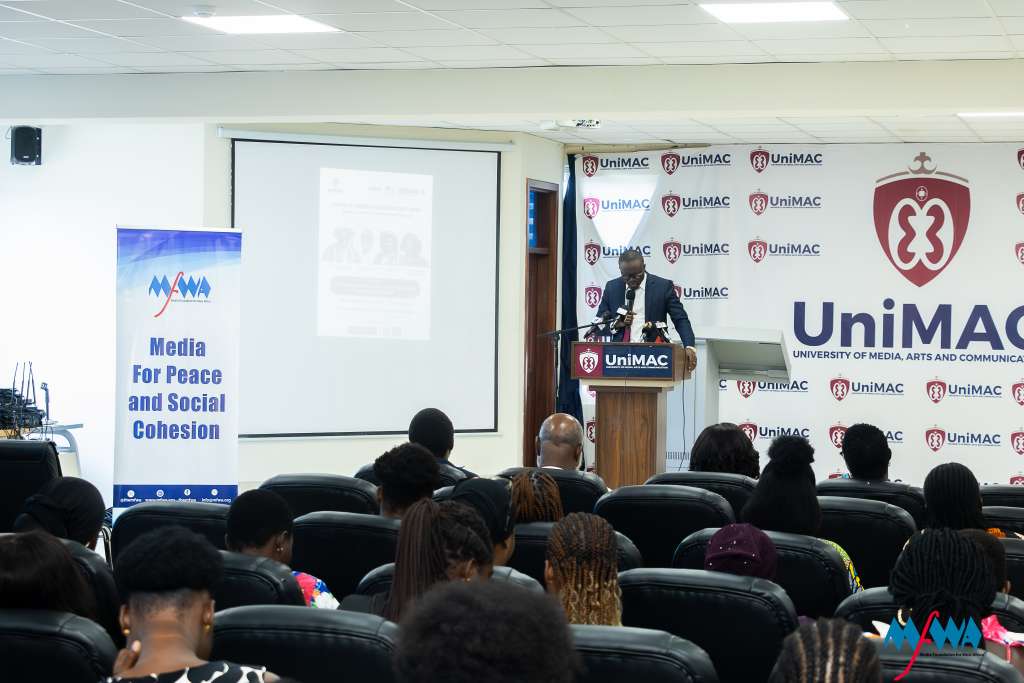
In a solidarity message, Dr. Daniel Kwame Ampofo Adjei, PMP®, Programme Manager, Institutional Development and MEAL (Monitoring, Evaluation, Accountability and Learning), reiterated the commitment of the MFWA to defending media freedom across West Africa through media rights advocacy and thought leadership, hands-on investigative journalism towards advancing public accountability. “Through our investigative journalism project, The Fourth Estate, and our strategic use of the Right to Information (RTI) law, the MFWA has supported accountability and reform in tangible ways,” he noted.
Yet, the broader context reveals troubling fault lines. Across West Africa, journalists face escalating threats, including legal harassment, arbitrary detention, disinformation campaigns, and economic pressures that compromise editorial independence. These, according to Dr Adjei, “require renewed vigilance. Safeguarding journalism is therefore not the responsibility of journalists alone. It is a shared duty of governments, institutions, civil society, academia, and citizens.”
There were other solidarity messages from key stakeholders; including Ghana Commission for UNESCO, the Ghana Journalists Association (GJA) and the Journalism and Media Students Association (JOMSA).