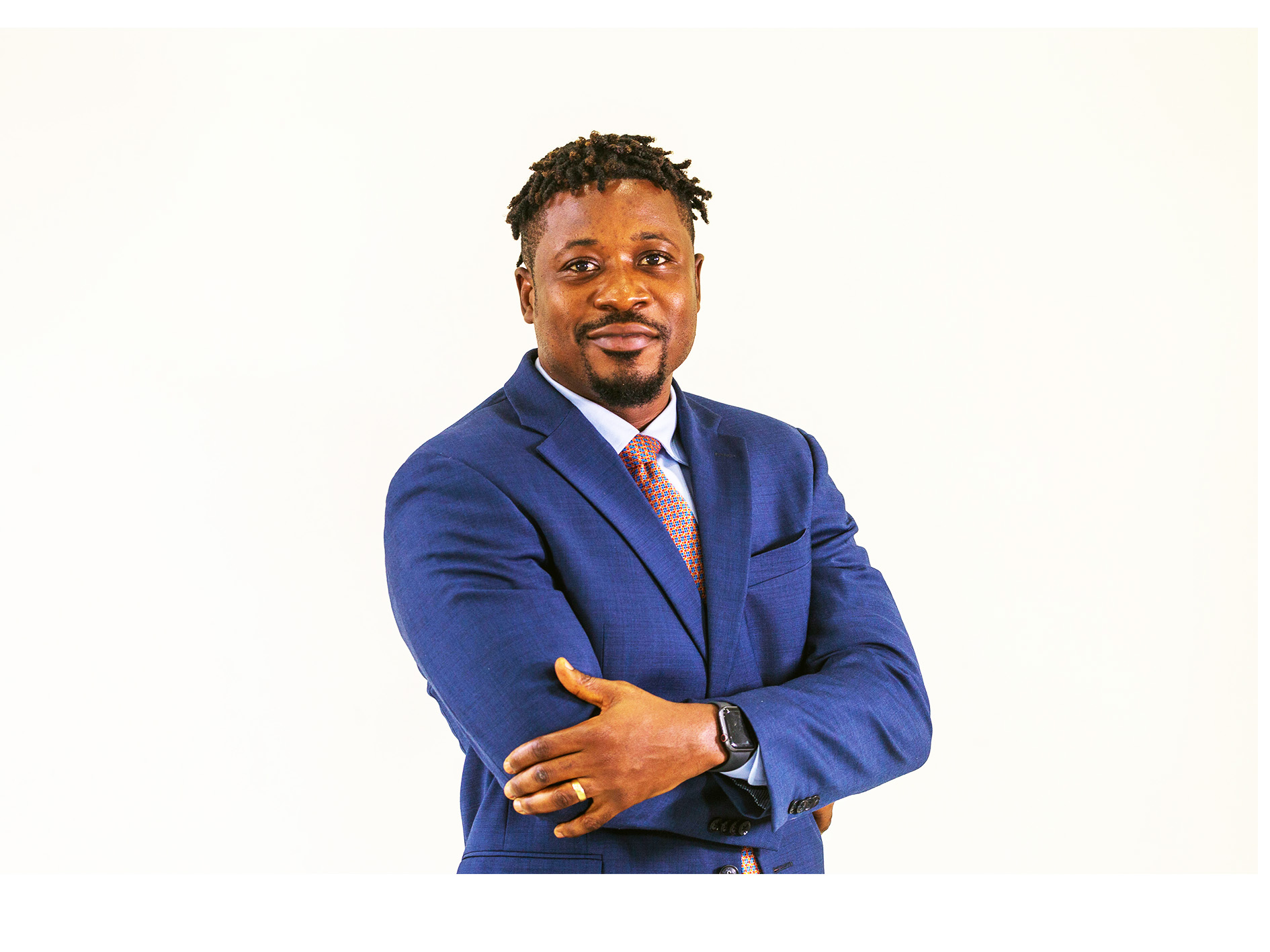

In this article, our Programme Associate, Michael Etrue, argues that Ghana’s chairmanship of the African Group of Negotiators at COP31 is a chance to close the gap between Africa’s climate diplomacy and public understanding. He sets out practical steps the chair’s office can take to support independent, sustained climate journalism, from technical briefings for journalists to a public tracker of African climate priorities.
————————————————————————————————–
Africa’s climate negotiators arrive at each climate summit with carefully built common positions on finance, adaptation and a just transition. At COP31 in Antalya, Türkiye, from 9 to 20 November 2026, Ghana will chair the African Group of Negotiators (AGN) as the group presses developed countries to turn their climate finance commitments and other pledges into practical outcomes that reach African communities.
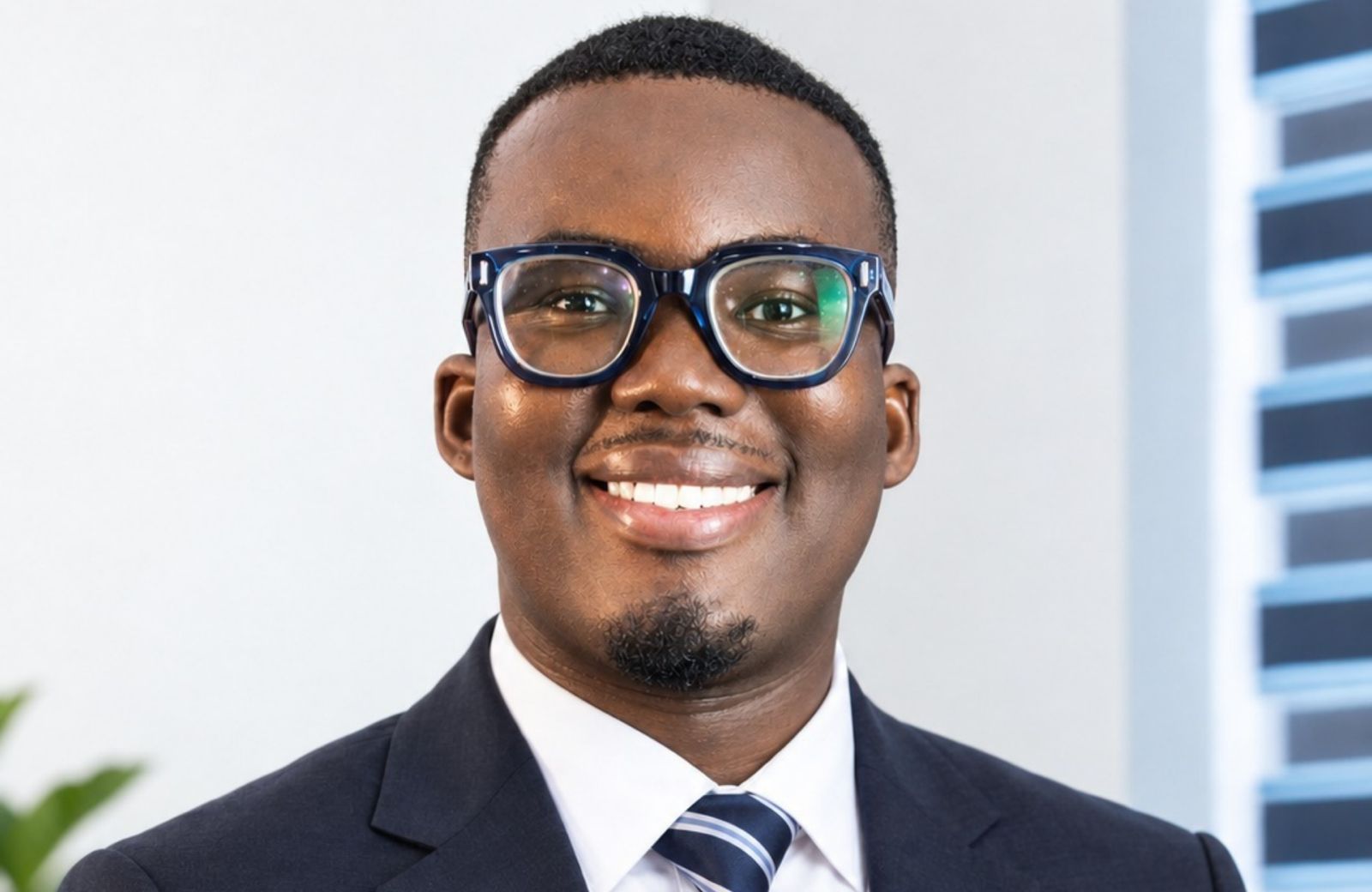
The chair, Nana Dr Antwi-Boasiako Amoah, is Director of Climate Vulnerability and Adaptation at Ghana’s Environmental Protection Authority (EPA), and his two-year term runs from January 2026 to December 2027. Yet the strength of Africa’s negotiating position will depend partly on what happens beyond the conference rooms; whether citizens understand the stakes, whether journalists can scrutinise the promises made, and whether governments face sustained pressure to deliver.
The gap between negotiators and the public
The evidence from an Afrobarometer survey points to a gap between climate diplomacy and public understanding. The survey held across 39 African countries between 2021 and 2023 found that only 51 per cent of respondents had heard of climate change. Awareness was lower among rural residents, poorer citizens, women and people with less formal education. Meanwhile, 47 per cent said droughts had become more severe in their region over the preceding decade, and 35 per cent reported more severe flooding.
Lived experience of worsening weather, in other words, is not translating into awareness of its cause. That matters because communities experiencing climate-related hardship may struggle to connect those changes to the policies, financing arrangements and international decisions that shape their prospects.
Among respondents who knew about climate change, 77 per cent wanted their governments to do much more to address it, while 71 per cent called for greater action from developed countries. Public demand for action, in other words, is not the obstacle, rather the information gap is.
Closing it is should not be a task for media and media development organisations alone. It should be part of Ghana’s strategy as AGN chair because the chair provides access to the negotiations and sharing that access with the media is in Africa’s interest. A public that understands the continent’s demands gives its negotiators a stronger mandate, makes inflated finance claims harder to sustain and keeps pressure on partners, and on African governments, to deliver what was agreed.
Journalism can help bridge that gap by explaining how global negotiations relate to livelihoods, public spending and local adaptation. It can show, for example, how a dispute over adaptation finance affects a farming community facing unreliable rainfall, or how decisions on energy transition could shape electricity access, industrial development and employment.
The challenge also extends beyond public awareness to the quality and continuity of reporting. A 2024 study examining climate coverage in six newspapers in South Africa, Nigeria and Kenya found that public officials and experts, such as those found at a typical COP, dominated as sources while coverage remained inconsistent.
Such coverage offers a narrow range of voices, and reporting built on official sources often relays what governments say rather than testing it. It is also likely to frame climate change as a national issue, leaving readers unaware of the multilateral negotiations and donor decisions on which many African outcomes depend.
Climate diplomacy therefore needs quality journalism that can follow negotiations before, during and after the annual summit. Without that continuity, attention can rise sharply around a COP and recede before audiences can assess what was agreed, who is responsible for implementation or whether the promised resources have arrived.
The stakes are particularly clear in climate finance. In July 2026, Oxfam estimated that the “true value” of the climate finance provided by rich countries in 2024 was between US$33 billion and US$45 billion, equivalent to no more than one-third of the nearly US$137 billion that governments reported mobilising. Of the US$106 billion reported as public finance, US$69 billion (65 per cent) was delivered as loans. Journalists therefore need to look beyond the headlines and track, in the public interest, how these loans are spent, whether the projects they fund are delivered and what repayment will cost.
Building on existing journalism initiatives
There is already a foundation on which Ghana can build. Internationally, the Climate Change Media Partnership has selected 16 journalists from low- and middle-income countries to report on COP31, giving them access to the negotiations, expert guidance and editorial support.
In 2022, the Media Foundation for West Africa (MFWA) trained ten journalists from ten West African countries through its Climate Change Journalism Fellowship, a five-month programme that combined mentorship with practical reporting, data journalism and fact-checking. MFWA’s regional Network of Investigative and Public Interest Journalists (NIPIJ), launched in March 2026, could extend that work by bringing fellowship alumni into cross-border investigations that follow climate commitments from negotiating tables to national budgets and local outcomes.
Within Ghana, the Climate Journalists Network Ghana, founded by two climate journalists, offers free tools and resources for climate storytelling. In 2025 it secured pledges from the EPA of training, access to data and support with accreditation for international climate talks, including COP30.
These initiatives demonstrate both demand for climate journalism and a willingness to invest in it. Their next challenge is continuity. A fellowship can equip a journalist with specialist knowledge, but sustained reporting also requires newsroom support, access to data and experts, editorial time and protection against intimidation or legal harassment. Training has limited long-term value if journalists return to newsrooms without the resources to pursue complex climate stories.
A practical role for Ghana’s AGN chairmanship
Ghana’s chairmanship is well placed to address this problem of continuity. The AGN chair’s office, backed by the EPA, can share its access to the negotiations with journalists and use its convening power to draw development partners and media-support organisations behind sustained reporting rather than one-off workshops.
Such access must not come at the cost of independence. The aim is not to enlist journalists in promoting Africa’s negotiating position, but to equip them to examine the evidence behind it and track what happens to the commitments secured. Two safeguards would help. Briefings should be co-run with independent partners such as MFWA and CJN-Ghana, and they should be open to any accredited African journalist rather than to invited outlets.
The first step should be a standing programme of technical briefings for African journalists, announced at COP31 and run with climate experts and research institutions throughout the two-year term rather than only during summit fortnights. During the conference, briefings could clarify changes in negotiating texts and distinguish agreed language from proposals still under discussion.
Between summits, they could explain Africa’s priority demands ahead of the June 2027 Bonn talks (the UN’s mid-year climate negotiations, where technical work is done to prepare decisions for the next COP) and COP32, and report on implementation. The briefings should also build the skills to distinguish grants from loans, read the terms of concessional finance and scrutinise African governments’ own spending.
Another measure could be the development of a public tracker of African climate priorities, launched by the chair’s office before the June 2027 Bonn sessions and maintained with an independent research partner such as the MFWA. It would extend Dr Amoah’s own pledge to publish details of the support the AGN receives. For each priority, it could record the demand, the relevant COP decision, the commitments made, the responsible institutions and the progress reported. Independent researchers and journalists should be able to challenge the figures and methodology.
The chair’s office should also use its convening power to secure funding for cross-border reporting partnerships, for example through MFWA’s NIPIJ network. Climate impacts and policy decisions rarely respect national boundaries. Shared river basins, coastal erosion, food systems and regional energy projects often require journalists in several countries to investigate the same issue from different angles. To succeed and endure, these partnerships would need fair funding arrangements, shared editorial control and proper attention to journalists’ safety, especially where investigating powerful interests carries legal or physical risk.
Another key measure would be to bring radio and local-language reporting into the heart of the programme, because they are what connect the negotiating table to the farm. Awareness of climate change is lowest among rural and less-educated citizens, yet in Ghana radio reaches 79 per cent of rural adults regularly, according to Afrobarometer’s 2022 survey.
Explaining a negotiating text in technical English may not reach everyone affected by its outcome. Local journalists who understand their communities can connect international decisions to farming, fishing, flooding, water access and household energy costs. Briefing materials should therefore be produced for radio and in major local languages, and community stations should be invited into the briefing programme.
An opportunity beyond COP31
COP31 will be followed by COP32 in Addis Ababa in 2027, giving Ghana a limited but valuable period to establish practices that outlast its chairmanship. Regular technical briefings, a transparent tracker of African priorities and stronger cross-border and local-language reporting would give the continent’s climate diplomacy a better-informed public constituency.
The sequence is straightforward. Announce the briefings at COP31, launch the tracker before the June 2027 Bonn sessions and present a first public review at COP32, so that Ghana’s successor inherits working practices rather than a report.
Journalism alone cannot win Africa a better deal on finance, adaptation or a just transition; that remains the work of its negotiators. But diplomacy is weakened when its objectives are poorly understood, its claims go unchallenged and its commitments are forgotten once the conference ends.
Ghana’s chairmanship offers a chance to correct those weaknesses. By making independent, informed and sustained journalism part of the architecture of climate diplomacy, Ghana can help citizens see what is at stake, test the claims of governments and donors and judge whether agreements deliver. Africa’s negotiating position will be strongest when its public knows what was promised and keeps asking what was delivered, long after the delegates have left Antalya and Addis Ababa.