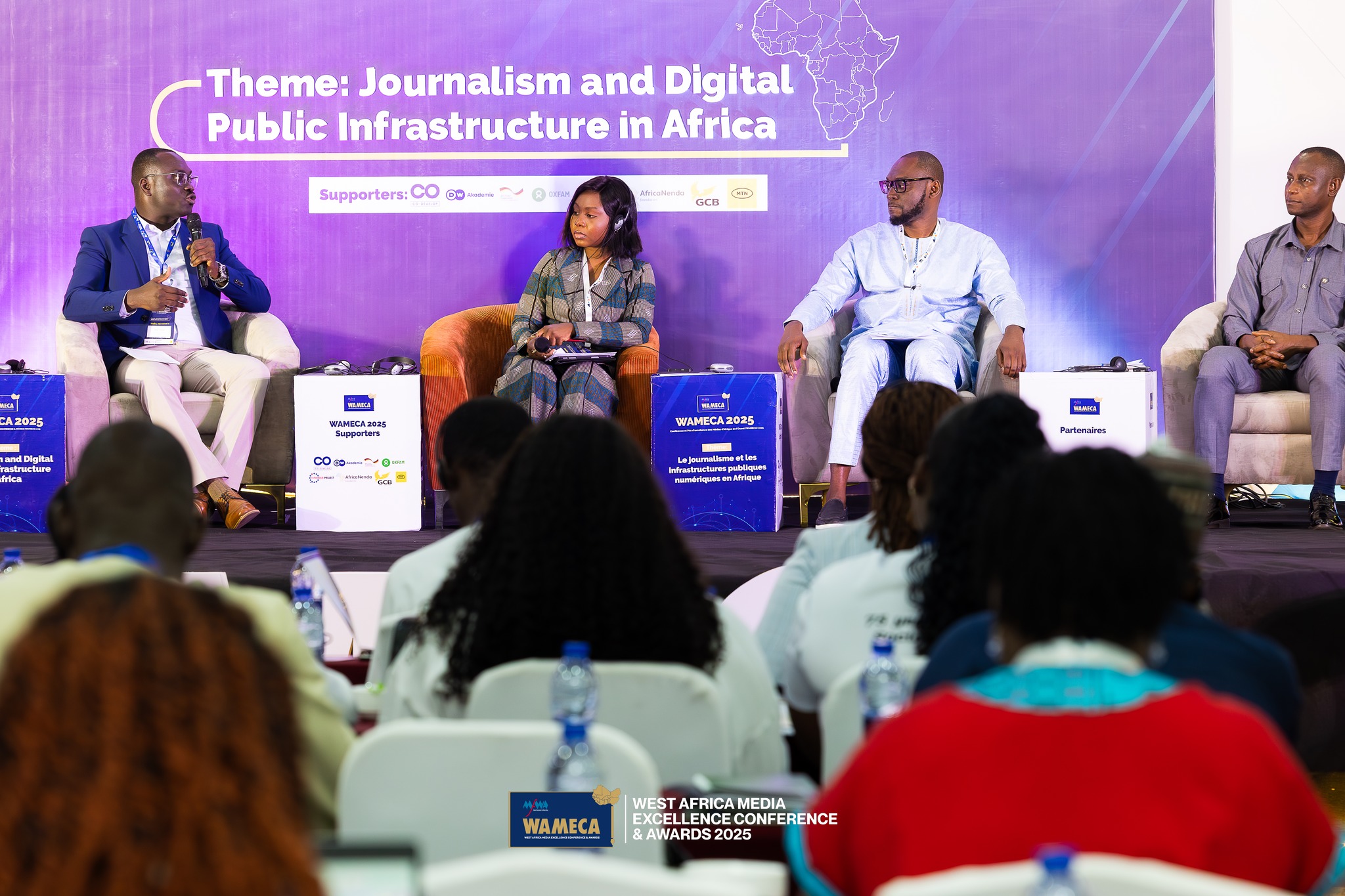
Key funding partner of the Media Foundation for West Africa (MFWA), OXFAM in Ghana, has explained that its collaboration with the MFWA to train investigative journalists through Fellowships, is rooted in the view that crime, including Illicit financial flows (IFFs), thrives where there is no exposure. The training of journalists is therefore intended to raise cadres of anti-corruption reporters who expose crime. Mr. Mohammed Mahamud, Accountable Governance Programme and Policy Manager of Oxfam in Ghana, said this October 10, 2025 while participating in a panel discussion during the eighth edition of the West Africa Media Excellence Conference and Awards (WAMECA).
According to him, ongoing capacity building for journalists in IFFs reporting is one of a three-pronged strategy that OXFAM is implementing to counter IFFs.
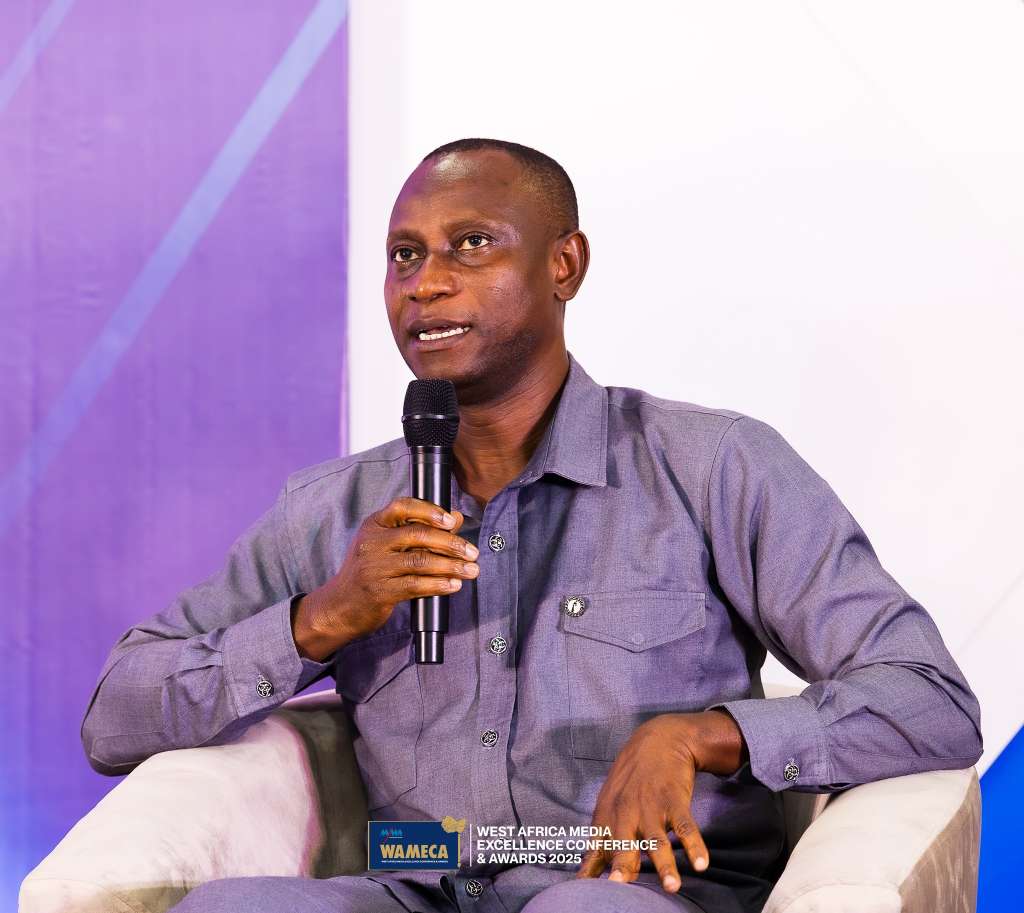
“The issue of illicit financial flows is at the heart of the work Oxfam does around fiscal policies. When it comes to IFFs particularly regarding Africa, Oxfam’s focus is on taxes. The organization works with governments to ensure that they raise enough revenue from local sources to fund development, by supporting the efforts of these governments to strengthen fiscal and regulatory regimes, as well as [enhance] the capacities [of] authorities that are responsible for collecting taxes.
“Oxfam also works through the media, building the capacity of journalists to navigate the complexities in the IFF sector. This is because IFFs remain one of Africa’s biggest challenges,” he said.
The panel discussed the topic, ‘Guaranteeing Africa’s Financial Independence: The Role of Fintechs in Combatting IFFs.’ The topic was one of six that were explored in panel discussions during the 2025 edition of WAMECA which was held under the theme: ‘Journalism and Digital Public Infrastructure in Africa.’
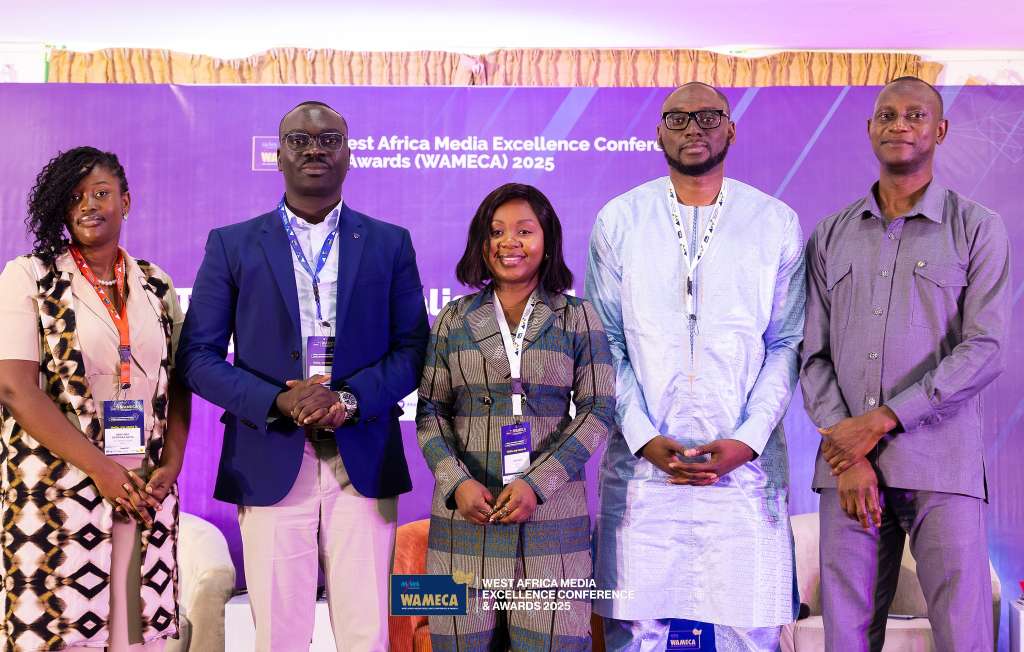
“Beyond capacity building for CSOs and the media, Oxfam also advocates for governments to put in place regulatory frameworks that allow tracking and ensure that people do not fly out capital from the continent,” Mr. Mahamud said.
According to him, the media’s role is critical because by nature, the media functions as a platform for informing and educating society, and by organization, the media’s work positions it to be one of the most critical watchdogs against crime in general, including IFFs. This role is even more critical because IFF is a complex topic that needs to be broken down for the general populace to understand, be aware of, and be positioned to report it.
He adds that IFFs typically originates from corruption or negative/criminal activities. These illegally-generated funds are then often transferred through illegal means. Perpetrators, for example, engage in aggressive transfer pricing manipulations that moves the resources or monies that would have been taxed by countries to low tax jurisdictions that do not have anything with the activity that generated the income it is used mostly for illegal activities, including terrorism financing. For Oxfam therefore, if Africa can ever be financially independent, then there is the need to reduce or stop the flow of funds or income from the continent through illicit means. He pointed out that in Africa, the major drivers of Illicit Financial flows are base erosion and profit shifting, often perpetrated by multinational companies who dominate the continent’s extractive sector. Noting the importance and potential of the extractive sector to contribute to Africa’s financial independence, he emphasised Oxfam’s conviction that efforts must be maximised in the area to reduce IFFs.
Ongoing collaboration
As part of its work to enhance the capacity of journalists to expose and report on IFFs, OXFAM has over the years, collaborated with the MFWA to train journalists on Illicit Financial Reporting, through our Next Generation Investigative Journalism (NGIJ) Fellowships.
In August 2025, the MFWA, with funding support from OXFAM, launched The Media Guide on Illicit Financial Flows, Tax Justice, and Domestic Resource Mobilisation Reporting in Ghana. The 128-page guide was developed under the project: Tax for Development: Strengthening Civil Society and Media for Fiscal Justice, with support from the Norwegian Agency for Development Cooperation (NORAD) through OXFAM in Ghana.