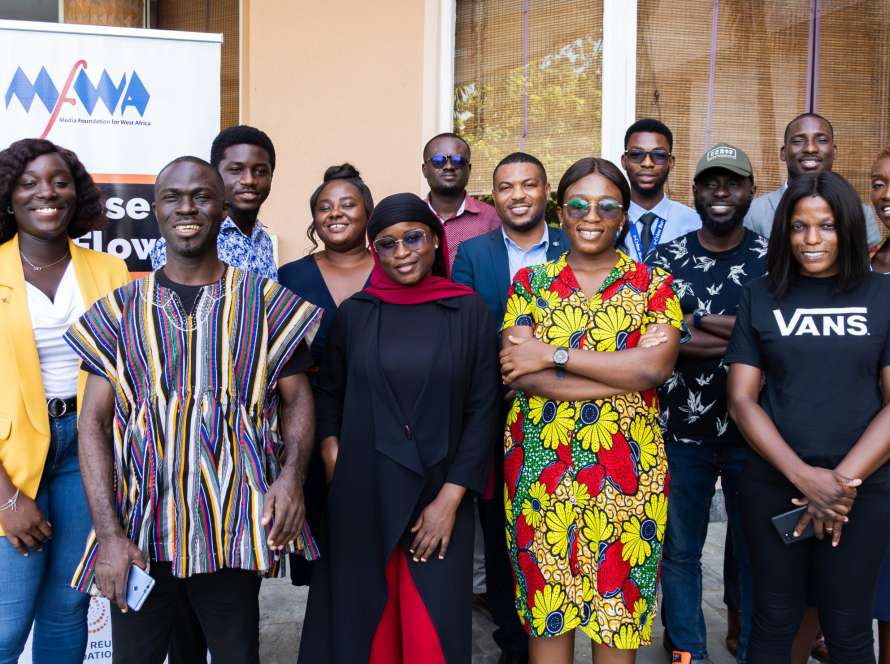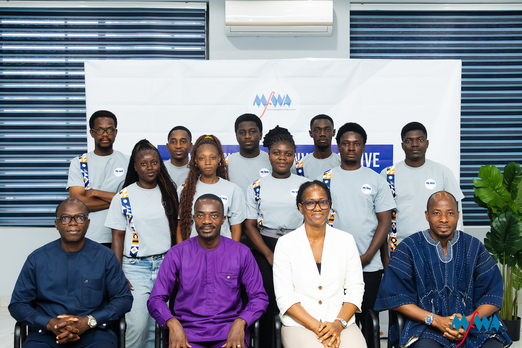

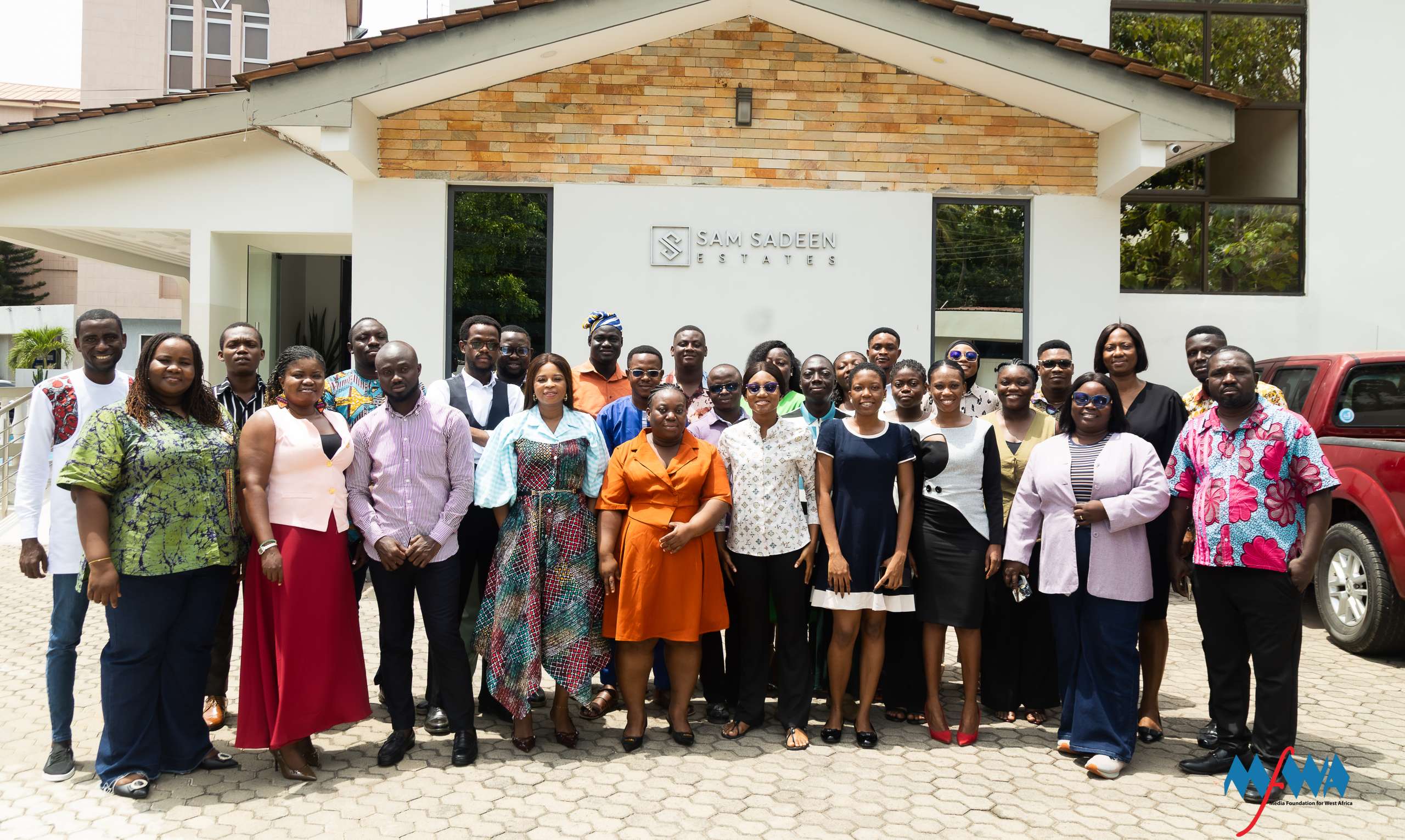
Thirty journalists from Ashanti, Greater Accra, and the five Northern regions of Ghana have completed a three-day intensive training on data journalism and fact-checking aimed at enhancing their capacity in investigative reporting, promoting transparency and championing accountability through evidence-based journalism.
The training, organised by the Media Foundation for West Africa (MFWA), was held from February 24 to 26, 2026 at Central Hotel in Ridge, Accra. It forms the third and final workshop in a series of capacity-building sessions under the project titled “Countering corruption through accountability journalism and improved freedom of expression environment in Ghana” which seeks to strengthen the capacity of journalists, particularly those engaged in investigative reporting, to produce impactful stories that expose corruption and promote good governance. The project also aims to improve the freedom of expression environment in Ghana.
The project is part of the Participation, Accountability, Integrity for a Resilient Democracy (PAIReD) programme commissioned by the German Federal Ministry for Economic Cooperation and Development (BMZ), co-financed by the European Union and the Swiss State Secretariat for Economic Affairs (SECO), and implemented by Deutsche Gesellschaft für Internationale Zusammenarbeit (GIZ) in partnership with Ghana’s Ministry of Finance.
The first training focused on Investigative Journalism and Anti-Corruption Reporting, while the second training equipped the journalists with knowledge of using the Right to Information Law to request for information for their investigative reports.
Strengthening verification and fact-checking skills
The training focused on fact-checking and verification techniques, an area that has become increasingly important as misinformation and manipulated digital content continue to circulate widely online.
Participants were introduced to the concepts of misinformation, disinformation and malinformation, and trained in practical techniques for verifying claims, images and videos.
The sessions were facilitated by Roselena Ahiable, Project Manager at DUBAWA West Africa, who walked journalists through a range of verification tools including reverse image search, image and video metadata analysis, geolocation techniques and methods for detecting deepfakes.
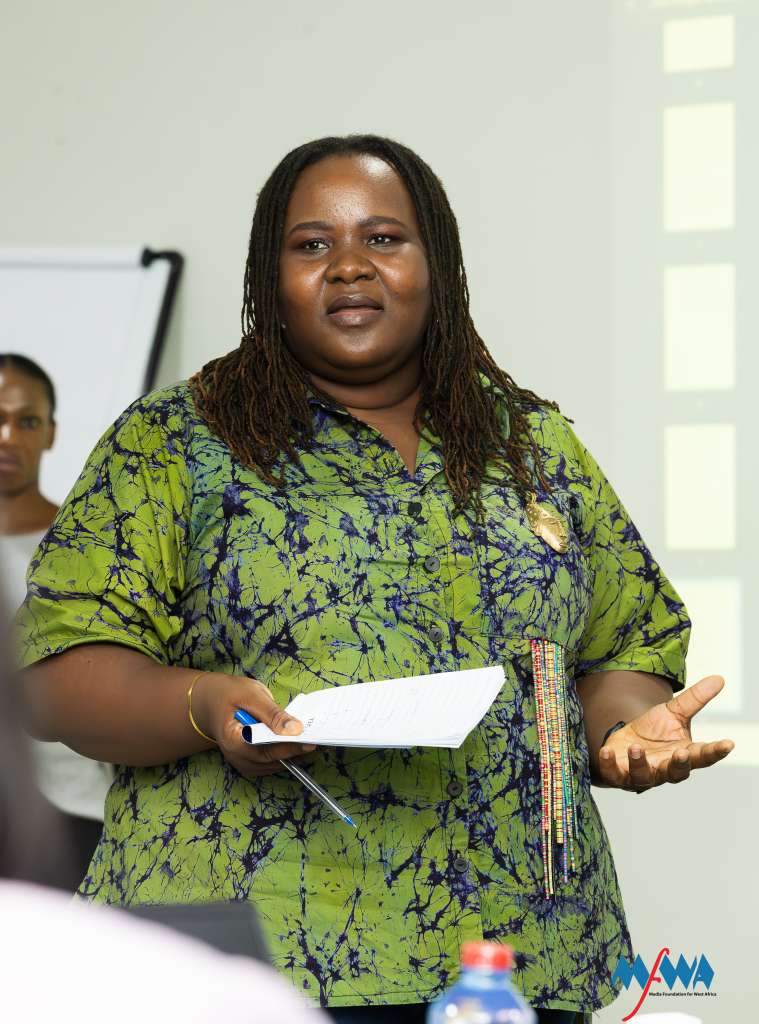
Participants also took part in practical exercises on identifying claims worth checking, gathering credible information and verifying digital content before publication.
Building competence in financial and accountability reporting
The training shifted focus to financial reporting and the legal frameworks governing the management of public funds in Ghana.
Finance expert Nana Kwaku Amankwah Appiah led participants through the fundamentals of public financial management, highlighting key provisions of the Public Financial Management Act, 2016 (Act 921) and the principles of transparency, accountability and fiscal discipline that underpin the law.
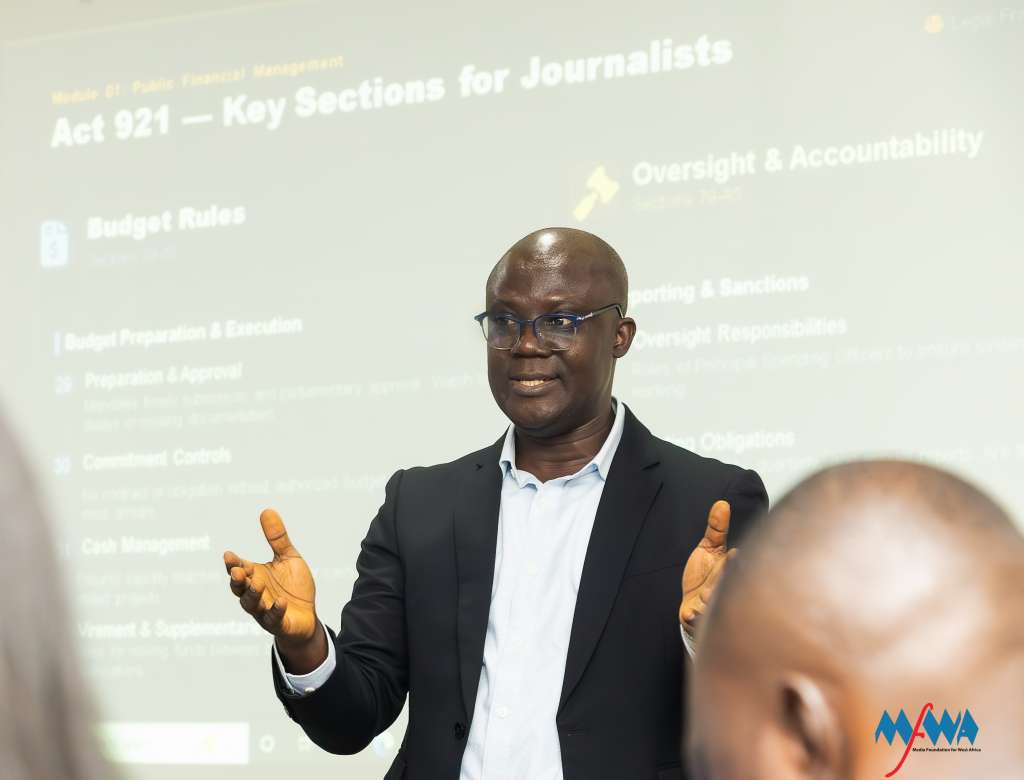
Journalists were also introduced to relevant provisions of the 1992 Constitution, including the oversight roles of Parliament and the Auditor-General in safeguarding public resources.
The session emphasised how reporters can identify “red flags” in public spending, procurement processes and financial reporting—an essential skill for uncovering corruption and financial irregularities.
Participants also received training on how to read and interpret financial statements, including balance sheets, income statements and cash-flow statements, and how inconsistencies in financial records can point to fraud, tax evasion or other irregularities.
Exploring funding opportunities for investigative journalism
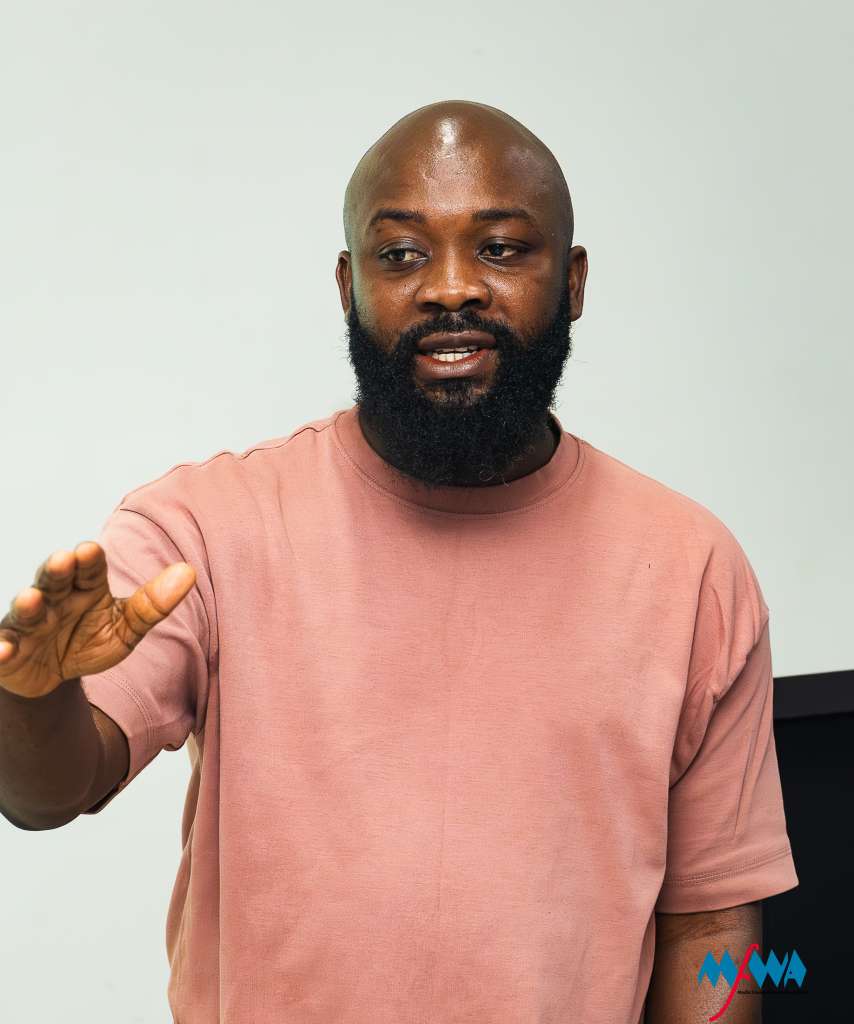
Another key session focused on sourcing grants and financial support for investigative journalism projects. Facilitated by Senanu Tord of Voice of America (VOA), the trainer guided journalists through the global funding landscape for investigative reporting and introduced them to practical strategies for identifying relevant grant opportunities.
Participants were also taken through the process of writing compelling grant proposals and managing funds responsibly once support is secured.
Using data to tell impactful stories
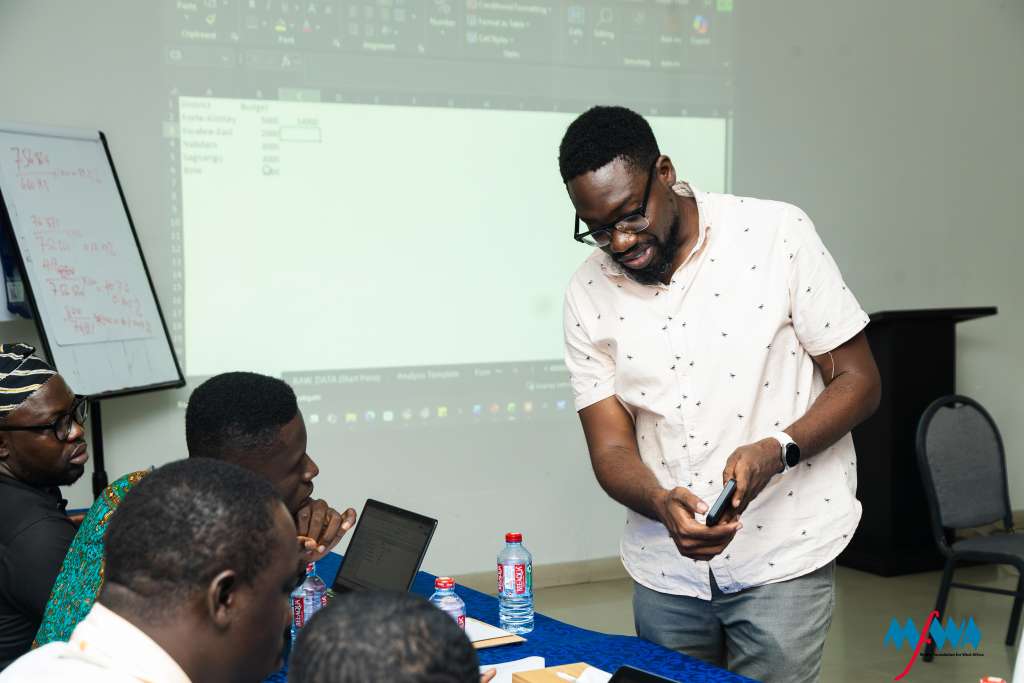
Additionally, the training introduced participants to the principles and practice of data journalism. Nii Nookwei Tackie, a data analyst and lecturer at the University of Media, Arts and Communication – Institute of Journalism (UniMAC-IJ), trained journalists on how to work with datasets, interpret numbers and turn complex information into clear and compelling stories.
The sessions included hands-on training in spreadsheet tools, data cleaning and organisation, and methods for analysing datasets to uncover patterns and insights that can strengthen investigative reporting.
Participants also learned techniques for writing about numbers in ways that make data-driven stories accessible and meaningful to the public.
Highlighting the gender dimension of corruption
The training also explored the gendered dimensions of corruption and why gender-sensitive reporting is important in accountability journalism.
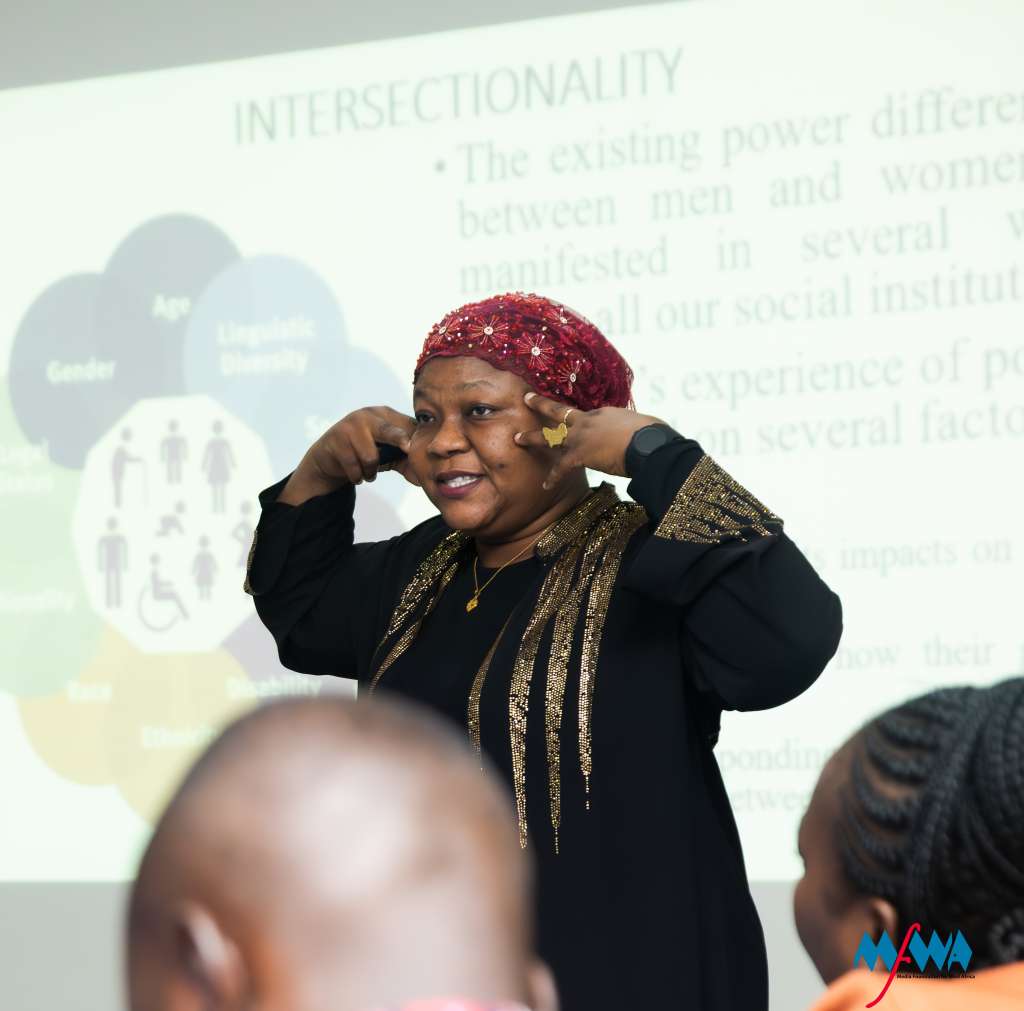
Women’s rights activist Bashiratu Kamal led discussions on how corruption affects men and women differently, the role of gender dynamics in power and governance, and the importance of using gender-sensitive language and perspectives when reporting on corruption-related issues.
Journalists urged to apply skills to expose corruption
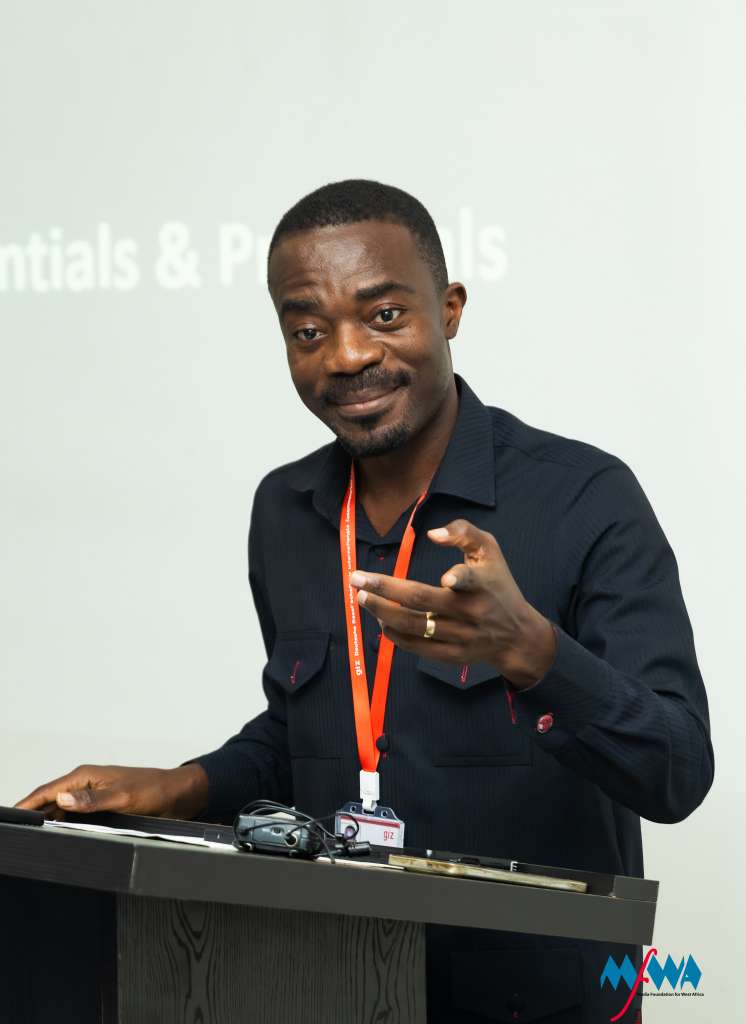
Speaking at the closing session, Kweku Lartey Obeng, the Component Manager for the PAIReD Project at GIZ, emphasised the critical role journalists play in exposing corruption and strengthening democratic accountability.
“Corruption continues to drain the resources meant for our schools, our hospitals, and our young people. Someone must expose it,” he said, stressing that journalists often stand in the gap when institutions fail to hold the powerful accountable.
He encouraged participants to apply the skills and tools acquired during the training throughout their careers and to collaborate with one another through networks created during the programme.
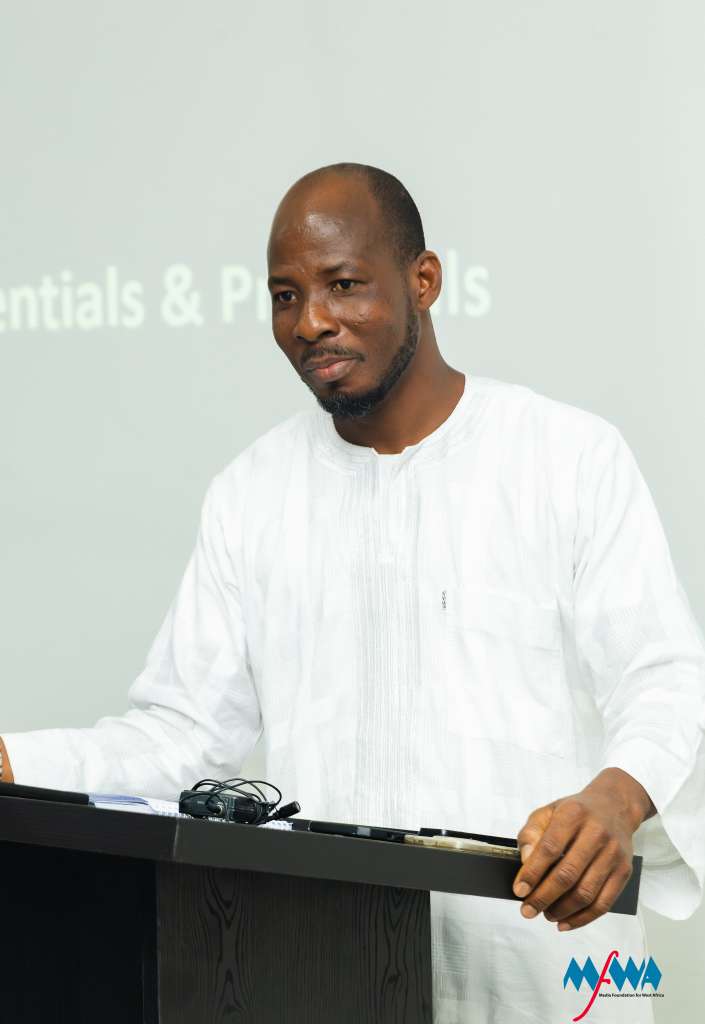
Dr. Kojo Impraim, the Programme Director for the Media for Democracy and Good Governance Programme at the MFWA, admonished participants to apply the skills and knowledge acquired during the training to produce impactful investigative stories that expose corruption and promote accountability in Ghana.
He encouraged the journalists to make effective use of data journalism and fact-checking tools in their reporting, stressing that accuracy, verification and evidence-based storytelling are critical to strengthening public trust in the media and holding duty-bearers accountable.
As part of the project, a community of practice for investigative journalists has also been established to provide mentorship, peer learning and professional support for reporters working on accountability and anti-corruption stories.
The three workshops conducted under the project are expected to contribute to building a stronger pipeline of accountability journalism in Ghana while promoting a more enabling environment for press freedom and freedom of expression.