
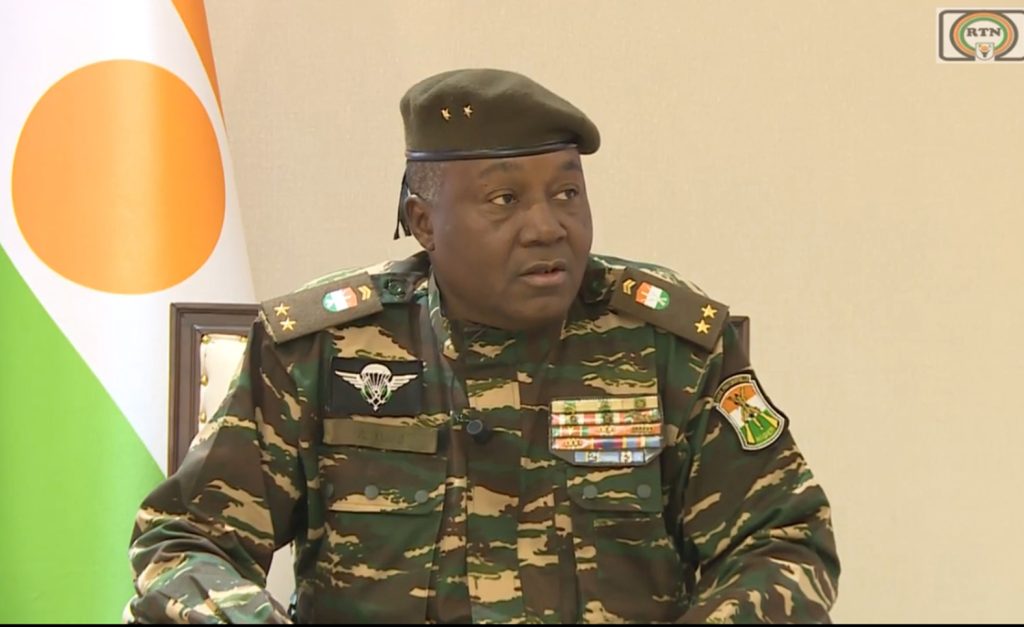
On December 26, 2025, Niger’s transitional government adopted a draft ordinance on “general mobilisation for the defence of the homeland” during a meeting of the Council of Ministers chaired by General Abdourahmane Tiani, the transitional President.
According to the official communiqué, the draft ordinance sets out the procedures for organising, preparing and implementing a nationwide mobilisation to respond to internal or external threats. It defines the roles and responsibilities of citizens and institutions in the event of such mobilisation.
The text provides that persons, goods and services may be requisitioned in accordance with existing legislation. It further requires all citizens to comply immediately with mobilisation measures, respond to call-up or recall orders, submit to requisitions and follow directives issued by competent authorities.
The draft ordinance also obliges citizens to refrain from sharing information that could hinder mobilisation efforts and to inform public authorities about nationals of so-called “hostile” countries present in Niger, as well as any acts that could obstruct mobilisation. The government justifies these measures as necessary to preserve territorial integrity, state sovereignty and national security.
In 2023, Burkina Faso adopted a similar general mobilisation measure, which drew criticism from human rights groups over its impact on civil liberties.
The breadth of some provisions in Niger’s draft ordinance, particularly those relating to information control and the reporting of individuals, has raised concerns among freedom of expression actors, including the Media Foundation for West Africa (MFWA).
The MFWA notes that while states have a duty to protect their territorial integrity and ensure security, such efforts must be carried out in strict compliance with international human rights standards without restricting freedom of expression, privacy and other fundamental rights.
The MFWA urges the Nigerien authorities to ensure that any mobilisation measures are clearly defined, necessary and proportionate. Legal safeguards and independent oversight mechanisms should be put in place to prevent abuse and to protect citizens’ fundamental freedoms, including freedom of expression.