
A Kotobabi Circuit Court has granted bail to two content creators who were arrested on July 29 and 30, 2026, over the alleged publication of false news concerning President John Dramani Mahama.
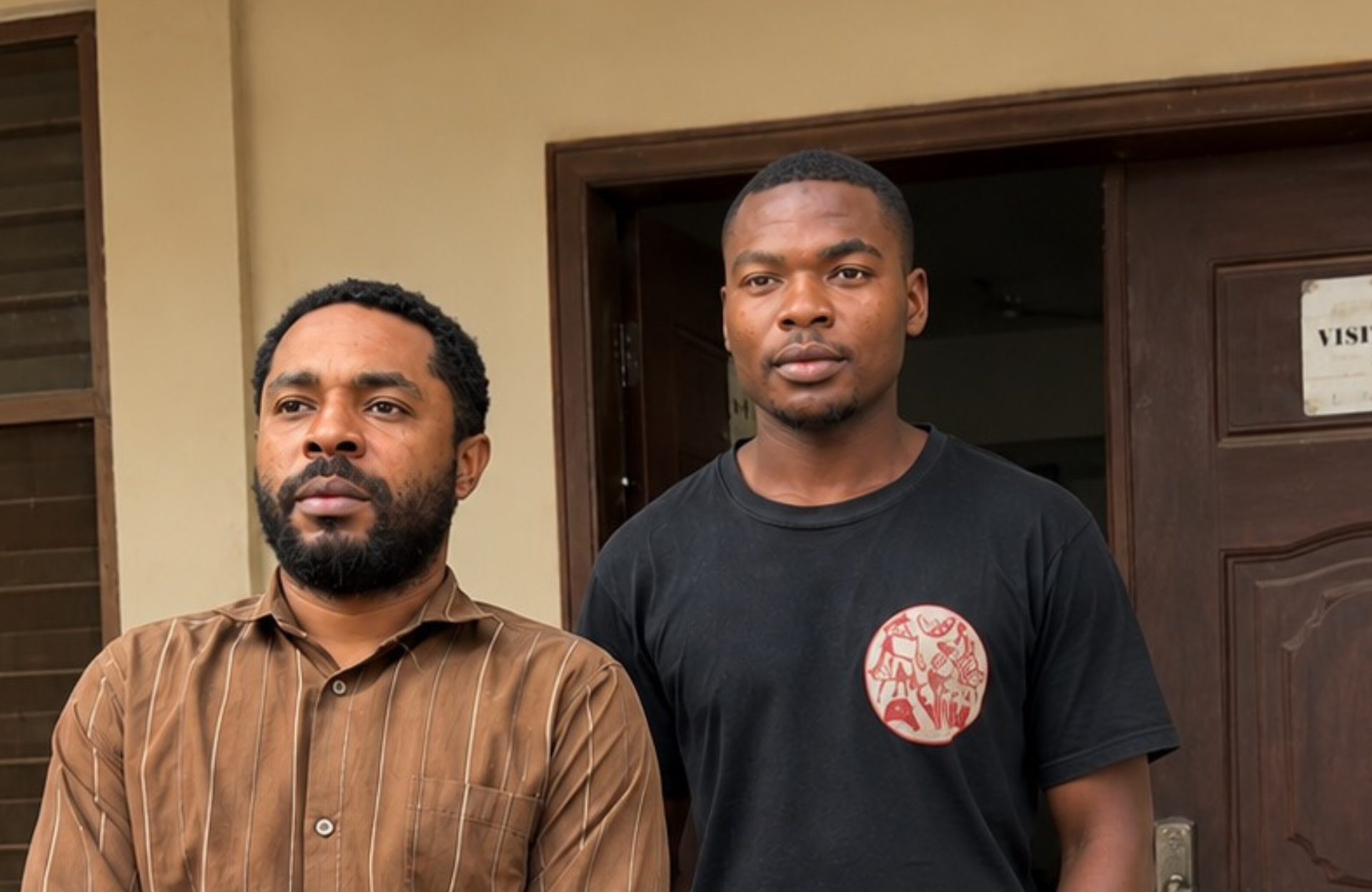
Issaka Yahaya, known online as Nsem Fie TV, and Godfred Ansu Damoah were each granted bail in the sum of GH¢30,000 with two sureties, one of whom must be a public servant earning not less than GH¢5,000 per month.
The two were arrested separately after posting a video in which President Mahama and the National Security Coordinator were engaged in a conversation. In the viral video, President Mahama was heard mentioning “GH¢150 million.”
Yahaya was arrested at Sefwi Dabiso in the Western North Region and transported to Accra. Damoah, on the other hand, was arrested in Obuasi, taken to Kumasi, and later transferred to Accra to stand trial. They were both charged with “publication of false news” and “conspiracy to publish false news”.
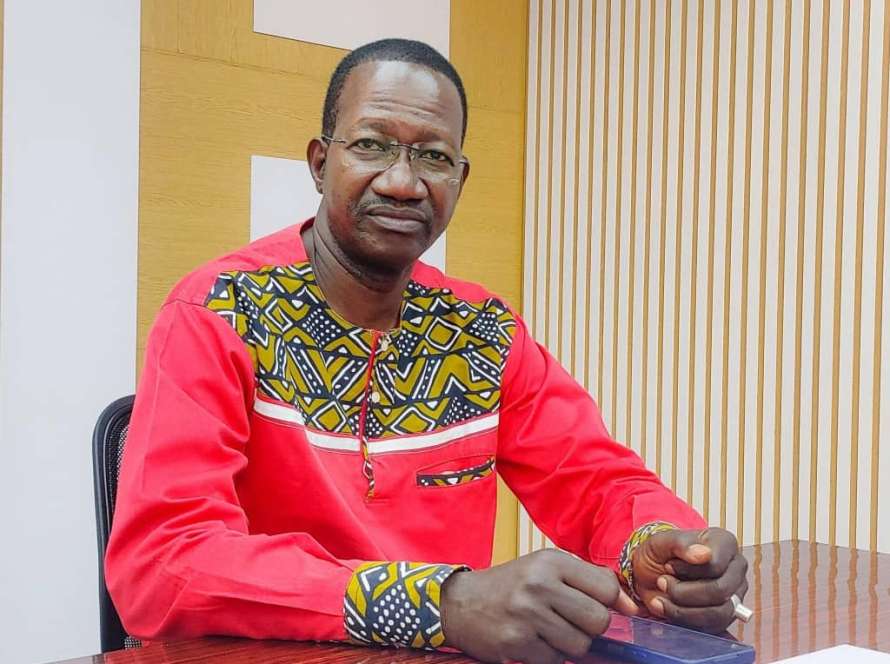
Speaking after the court proceedings on August 3, 2026, their lawyer, Enoch Afoakwa, said the prosecution had asked the court to remand his clients in police custody, but the application was rejected in favour of bail.
Afoakwa described the charges as misdemeanours and argued that the state should reconsider its handling of the case, noting that the video had already circulated widely online. He further contended that government officials had not disputed the authenticity of the video but had instead clarified its contents.
He also called on the Attorney-General to review the matter, warning that arrests, detentions, and manhandling over such publications were unhealthy for Ghana’s democracy.
The Minister for Government Communications, Felix Kwakye Ofosu, rejected the characterisation of the video, urging the public to “disregard the mischievous lies.”
The Media Foundation for West Africa (MFWA) calls on the Ghanaian authorities to exercise restraint in applying “false news” provisions against online commentators and bloggers, especially in cases involving matters of public interest and social accountability.
While the MFWA does not endorse misinformation or irresponsible reporting, it believes that legitimate national security concerns stemming from publications should be addressed through proportionate and lawful measures. The MFWA urges law enforcement agencies to avoid using arrest and detention as a first response to speech-related offences.
The MFWA also reiterates its longstanding call for the repeal or reform of criminal “false news” provisions in Ghana’s statutes, which continue to be invoked in ways that unduly chill freedom of speech, particularly on matters of public interest.