
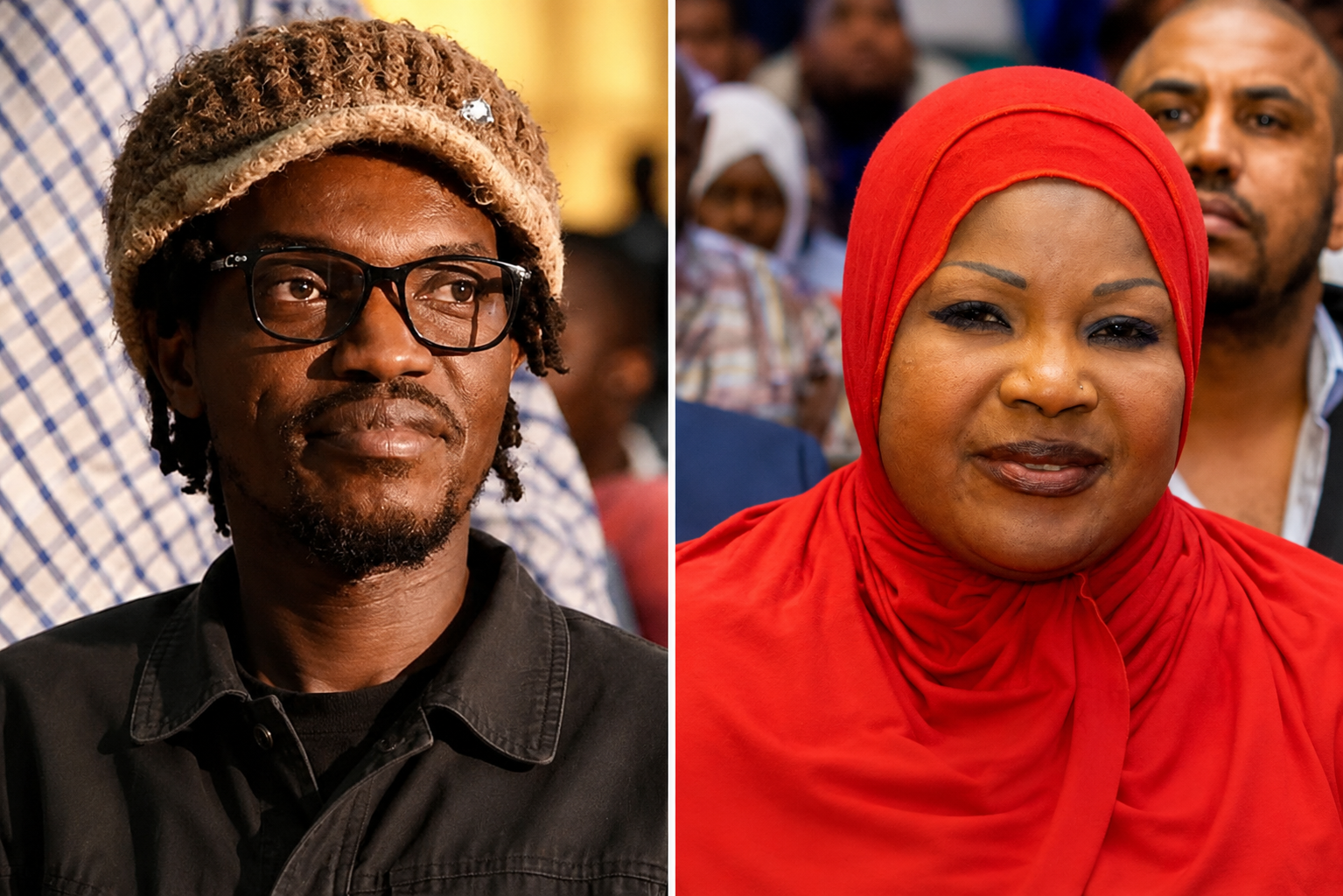
After being in detention for more than three years, Columnist and radio host Mohamed Youssouf Bathily, popularly known as Ras Bath, and activist Rokia Doumbia, also known as Rose Vie Chère, have each been sentenced to ten years in prison, with three years suspended.
The two were found guilty of “criminal conspiracy” and “undermining the credibility of the State through information and communication technologies” and were each fined CFAF 240,000 (about USD 422). The Criminal Chamber of the Bamako Court of Appeal delivered its verdict on August 17, 2026, following a two-day hearing on August 10 and 11, 2026.
The pair were both arrested on March 13, 2023, in two separate incidents. Bathily was arrested after claiming that former Prime Minister Soumeylou Boubèye Maïga, who died in detention in March 2022, had been “murdered.” Rokia Doumbia was also arrested after she posted a video in which she denounced, among other issues, the rising cost of living, power cuts, and the leadership of the Transition government.
Bathily was charged with “simulation of an offence,” while Doumbia was charged with “incitement to rebellion” and “disturbing public order through the use of information and communication technologies.” Bathily was found not guilty on July 11, 2023.
Doumbia was, on the other hand, found guilty on August 2, 2023, and sentenced to one year in prison, and fined CFAF 1 million (about USD 1,758.65). She was later found not guilty and acquitted on appeal.
In March 2024, the prosecution appealed the decision in the Bathily case and he was consequently found guilty of the charge and sentenced to 18 months in prison, with nine months suspended.
At the time the sentence was handed to him, Bathily had already spent enough time in detention to cover the custodial part of his sentence. He was, however, not released, because a second case had been initiated on March 29, 2023, against him and Doumbia who was also still being detained despite her acquittal.
They were charged with “criminal association” and “undermining the credibility of the State” for comments they made on Bathily’s radio programme about rising costs of essential goods in Mali. Bathily alone faced a third charge, of an offence “of a regionalist, religious and racist character.”
The prosecution maintained that the information they broadcast was false and intended to discredit the authorities. Doumbia and Bathily have denied these charges and indicated they simply wanted to draw the authorities’ attention to the challenges encountered by the populace.
Lawyers for Bathily and Doumbia have said they would file an appeal before the Supreme Court of Mali to challenge the sentences.
The Media Foundation for West Africa (MFWA) is deeply concerned about the severity of the sentences handed down to Mohamed Youssouf Bathily and Rokia Doumbia after they had spent more than three years in detention.
According to the UN Working Group on Arbitrary Detention, keeping individuals in extended pre-trial custody, specifically serial remands where new, identical charges are stacked to bypass acquittals or served sentences, violates Article 9 of the ICCPR (prohibition of arbitrary arrest and right to trial within a reasonable time). Holding Bathily and Doumbia in pre-trial detention for over three years before this verdict therefore constitutes serious non-observance of international fair trial standards.
Article 7 of the African Charter protects the right to a fair trial within a reasonable time by an impartial tribunal. The ACHPR Guidelines on the Conditions of Arrest, Police Custody and Pre-Trial Detention in Africa (Luanda Guidelines) also prohibit using pre-trial detention as a substitute for punishment or administrative control.
The MFWA calls on the Malian government to immediately release Doumbia and Bathily pending their appeal to the Supreme Court, compensate them for their arbitrary pre-trial detention of more than three years, and end the pattern of judicial manoeuvring designed to bypass court acquittals.
Finally, the MFWA calls on the Malian authorities to uphold their national, regional and international obligations and guarantee journalists, activists and citizens the right to express themselves freely without fear of legal prosecution, detention or disproportionate sanctions.