


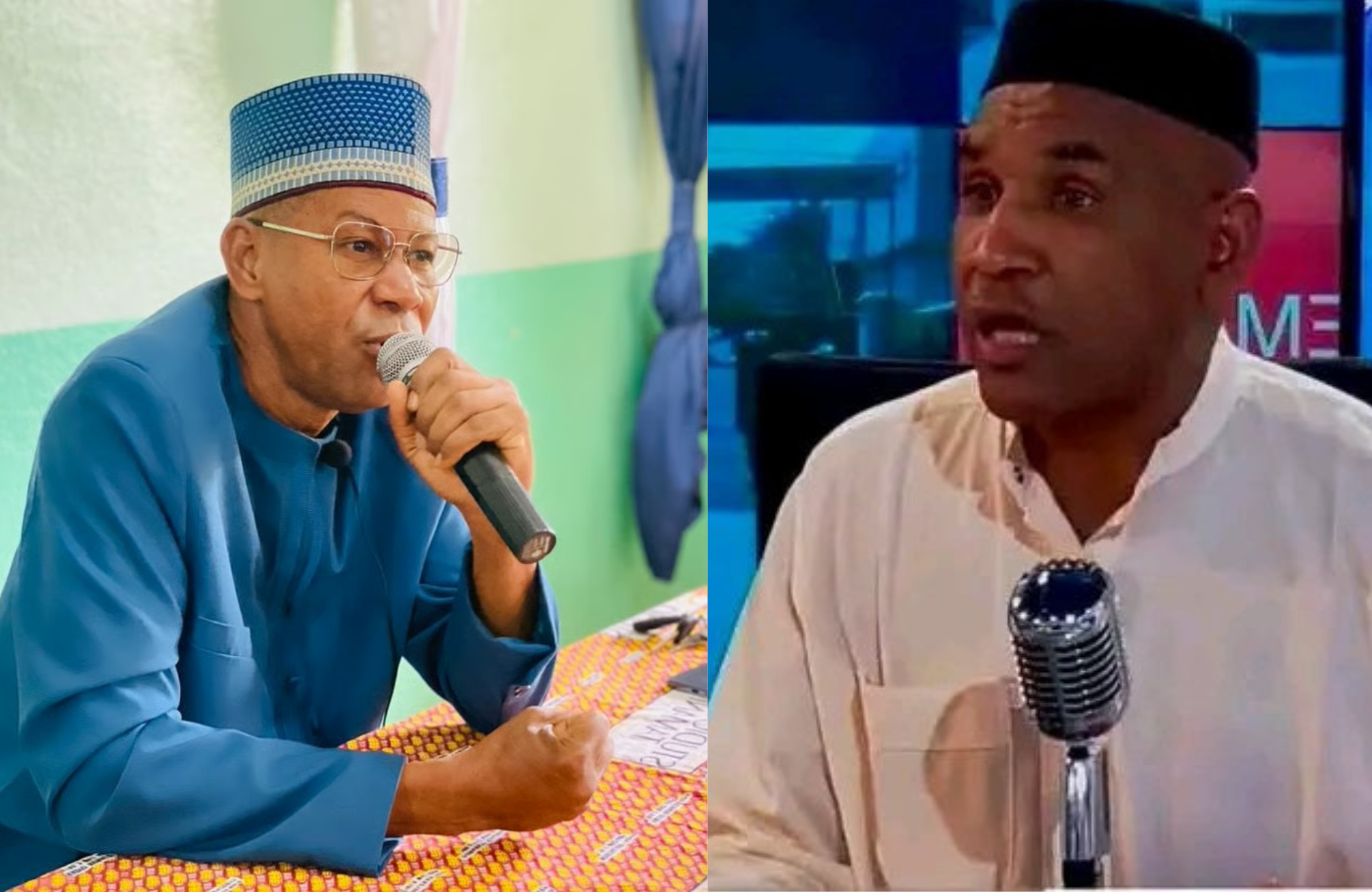
Two Malian journalists, Chahana Takiou, Editor-in-Chief of the bi-weekly newspaper 22 September, and Abdramane Keïta, Editor-in-Chief of the newspaper Le Témoin, have been remanded in custody by the National Cybercrime Unit following statements made publicly in the course of their work.
On June 9, 2026, Chahana Takiou was remanded in custody by the National Cybercrime Unit for statements he made during the first edition of the Pan-African Media Forum, held in Bamako from June 3-6, 2026.
The forum brought together journalists, academics, researchers, decision-makers and media professionals from Mali, the countries of the Alliance of Sahel States (AES) and several other African countries to discuss the challenges facing the African media and the role of the media in democratic governance.
During a panel discussion on cybercrime and press freedom, Chahana Takiou criticized the states’ increasing use of cybercrime laws against journalists, referencing the case of Youssouf Sissoko, editor-in-chief of L’Alternance.
Sissoko was sentenced in March 2026 to two years’ imprisonment by the National Cybercrime Court in connection with an article published in the L’Alternance, on February 2, 2026, which quoted statements attributed to General Abdourahamane Tiani, President of Niger.
Takiou argued that offences committed in the context of journalistic work should be dealt with in accordance with Mali’s 2000 Press Act, which establishes a specific legal framework for press-related offences. He further indicated that the judicial authorities were failing to apply that framework, asserting that “members of the judiciary violate procedure, subvert procedure” and that “judges flagrantly disregard the Press Act.”
After these comments, the Cybercrime Unit ordered Takiou’s arrest. He was charged with undermining the credibility of the state through the judicial system and remanded in prison in Bamako pending trial on July 27, 2026.
On the same day of Takiou’s arrest, Abdramane Keita Editor-in-Chief of Le Témoin was summoned by the National Cybercrime Unit for making statements regarded as false information likely to threaten national security and undermine the credibility of the state. He presented himself at the office of the Unit around 1pm on the same day.
Keita’s summon stems from his appearance on the television program “Grand Jury” broadcast on Renouveau TV, where he stated that Kidal, a major city in northern Mali, was being controlled by Iyad Ag Ghali, leader of the jihadist armed group, JNIM. He was charged with “a crime of a regionalist nature that tends to undermine national unity and the credibility of the state” and “publishing and disseminating false information through an information system.”
After questioning, Keita was remanded, pending trial scheduled for August 17, 2026.
The Maison de la Presse du Mali and several professional media organisations have expressed their “confusion” and “deep concern” at the detention of the two journalists.
They believe that these prosecutions constitute a serious violation of freedom of expression and freedom of the press and warn that they risk undermining efforts to portray Mali as a State that respects pluralism and public discourse. They also condemned the remand orders issued in both cases and called upon media professionals to remain vigilant in the face of what they described as renewed restrictions of fundamental freedoms.
The Media Foundation for West Africa (MFWA) condemns the arrests, detention and on-going prosecution against Takiou and Keïta. The continuous use of cybercrime laws to prosecute journalists breaches the press freedom rights and Mali’s Press Act that provides a dedicated legal framework designed to protect journalists from excessive criminal penalties. The systematic use of the National Cybercrime Unit to prosecute press cases is circumventing these safeguards.
The MFWA therefore urges the Malian authorities to stop weaponising cybercrime legislation against journalists, to respect the guarantees of the Press Law, and to resolve disputes involving journalistic work through civil or professional channels such as fines, warnings. The MFWA additionally demands the unconditional release of journalists detained in connection with their professional work, and urges the authorities to take concrete steps towards creating an enabling environment for free, pluralistic, and democratic public debate.

