
Ibrahim Abode, a reporter with Metro TV, was prevented from covering a government project launch in Ghana’s Upper East Region on May 19, 2026, after a party official ordered him to leave and warned of consequences if he stayed.
Abode, an alumni of the Next Generation Investigative Journalism (NGIJ) programme run by the Media Foundation for West Africa (MFWA), had travelled to the Pusiga constituency as part of a press contingent covering sod-cutting ceremonies for the government’s 24-hour economy market projects in Bawku, Pusiga, Tempane and Garu. The assignment was intended to track the rollout of the publicly funded initiative through to completion.
The first ceremony, in Bawku, began at around 9:00 am and proceeded without incident. The convoy then moved to Pusiga, where Abode and other journalists arrived around 11:00 am and began setting up cameras and tripods. According to Abode’s account, published in a Facebook post, a man approached members of the press and demanded to know which of them was Abode. After Abode was identified, the man said: “We don’t want to see him here. The MP told me she doesn’t want to see him here. He should leave immediately before things get out of hand.”
Abode said he approached the man calmly to ask what the issue was. The man repeated that the MP of Pusiga, Hajia Laadi Ayamba of the National Democratic Congress (NDC) party, had instructed that the journalist not be allowed at the event, adding: “If she opens her eyes and sees you, it won’t be easy.” Abode replied that the message could have been delivered without threats or aggression.
Writing afterwards on Facebook, Abode questioned whether a national event funded by taxpayers had been turned into the personal preserve of an elected official, and why a public figure would seek to exclude an accredited reporter from coverage of a government programme.
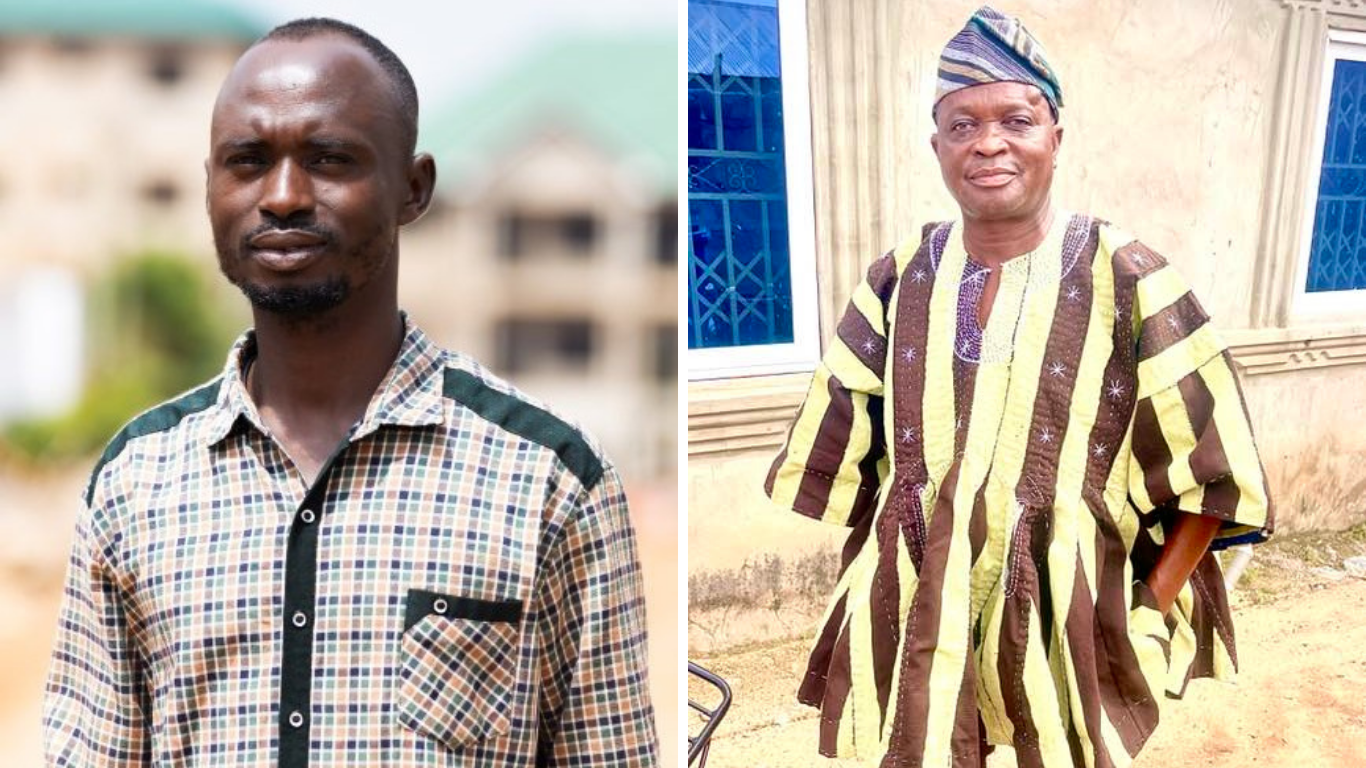
Subsequent reporting identified the man who confronted Abode as Alale Baba Atimbilla, communications officer for the NDC in the Pusiga constituency. Atimbilla later denied the account in a Facebook post, describing it as “false allegations”. He said Abode had not been among the journalists officially invited to cover the ceremony and had attended on his own initiative, and insisted that the MP had neither been aware of nor sanctioned any confrontation.
The post drew a mixed response. Some commenters accepted Atimbilla’s explanation; others said there had been witnesses to the encounter, and a number directed personal attacks at Abode, including calls for Metro TV to dismiss him. One commenter, identified as Sawadgo Muhizu, posted a threat that read: “We will even smash match you next time not the communication officer but the youth will do it much better.” The comment was subsequently deleted, but MFWA has retained a screenshot.
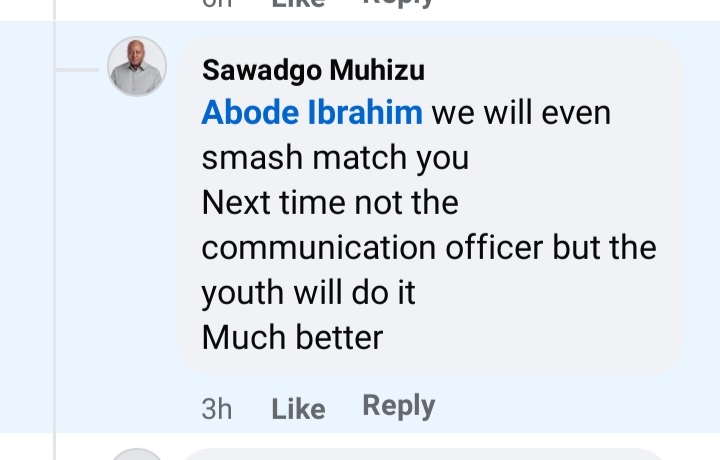
The MFWA condemns the exclusion and intimidation of Ibrahim Abode at the event and calls on the Ghana Police Service to investigate the incident and the online threats that followed.
Article 162 of Ghana’s 1992 Constitution guarantees the freedom and independence of the media and prohibits censorship. Preventing a reporter from covering a state-funded event, on the apparent instruction of an elected official, is difficult to reconcile with that guarantee or with the public’s right to information on the use of public resources. Public officials are under an obligation to facilitate, not obstruct, independent scrutiny of their work.
MFWA urges the the Member of Parliament for Pusiga, Hajia Laadi Ayamba, and the leadership of the NDC to disassociate itself clearly from the conduct of the constituency officer, and to ensure that Ibrahim Abode or any other journalist covering official events in Pusiga can do so without harassment or fear of reprisal.