
Coroner Magistrate Temitope Oladele, who is presiding over the inquest into the death of journalist Pelumi Onifade, on April 7, 2026, directed the Chief Medical Director of the Lagos State University Teaching Hospital (LASUTH), a medical facility in Yaba, Lagos, to produce within 14 days a comprehensive report on the whereabouts and status of a body marked Tag No. 1385, believed to be that of the slain journalist.
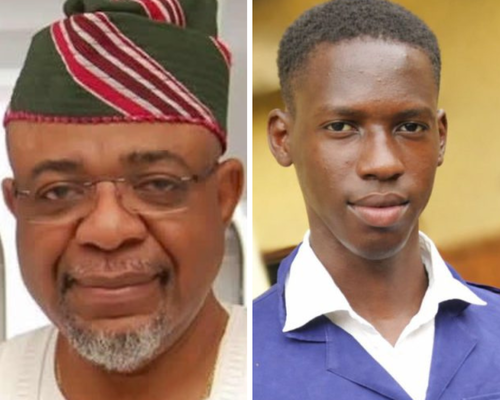
Onifade, a reporter with Gboah TV, went missing on October 24, 2020, while covering the EndSARS protests in Lagos. He was reportedly arrested by officials of the Lagos State Task Force despite identifying himself as a journalist. On November 3, 2020, a body believed by the family’s lawyers to be his was discovered at Ikorodu General Hospital, raising concerns that he may have died in custody or shortly after his arrest.
The coroner’s inquest, which has been ongoing, began engaging LASUTH formally on November 18, 2025, when the hospital was directed to provide forensic clarification and assist in identifying the remains, including reviewing the body tagged “1385.” However, the hospital has repeatedly failed to comply with these directives. At a hearing on March 3, 2026, the court again ordered LASUTH to submit a report after inconsistencies emerged in its records and earlier directives were not fully complied with.
LASUTH subsequently claimed it could not confirm the identity of the body, stating that DNA samples that could have aided identification were destroyed when the Lagos State DNA and Forensic Centre was set ablaze during the EndSARS protests in October 2020.
This explanation was challenged by Alimi Adamu, lead counsel for Media Rights Agenda, which initiated the inquest. He argued that the claim was inconsistent with official records showing the DNA Centre was burnt on October 23, 2020, a day before Onifade’s arrest, and that DNA samples from the family were collected days later and could not have been among those destroyed.
Following LASUTH’s failure to submit the required report within the stipulated period, counsel for Media Rights Agenda sought leave on March 24, 2026, to initiate committal proceedings against the hospital’s Chief Medical Director. The coroner declined the request, opting instead to grant the hospital a final opportunity to comply, and adjourned the matter to April 7, 2026, when the fresh 14-day directive was issued.
The inquest has faced persistent delays due to LASUTH’s repeated non-compliance, alongside administrative setbacks including strikes, adjournments, and witness constraints. Concerns over gaps in forensic evidence, an unclear chain of custody for the body, and conflicting institutional accounts have further slowed proceedings, forcing the court to issue multiple follow-up directives.
The Media Foundation for West Africa (MFWA) expresses concern over the prolonged delay in resolving the case, nearly six years after Onifade’s disappearance. The MFWA notes that continued non-compliance by key institutions undermines the search for truth and accountability. It calls for urgent adherence to court orders, improved coordination among relevant bodies, and the timely conclusion of the inquest to ensure justice for the late journalist and his family.