
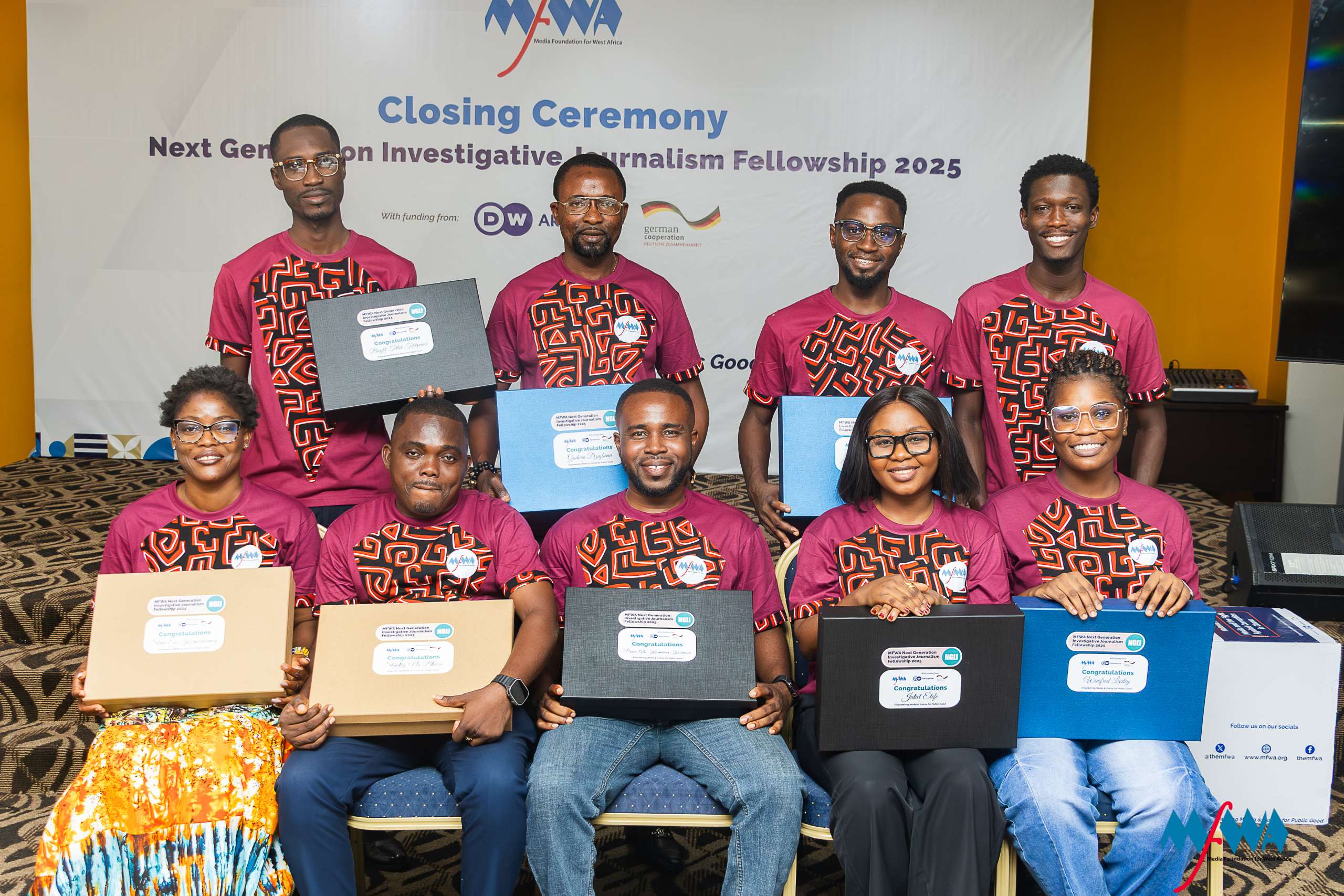
The seventh cohort of the Media Foundation for West Africa (MFWA)’s flagship Next Generation Investigative Journalism (NGIJ) Fellowship graduated on March 27, 2026, marking yet another milestone in strengthening accountability journalism practice in Ghana.
At a ceremony held in Accra, eleven early- to mid-career journalists who had participated in the three-month mentorship and training program received certificates of completion. The Fellowship was designed to equip participants with the competence, commitment and ethical discipline needed to pursue impactful investigative reporting. The seventh edition focused on equipping early-career journalists with investigative skills to expose corruption, strengthen public accountability, and promote media safety and professionalism.
Opening the ceremony, Dr. Kojo Impraim, Director of the Media for Democracy and Good Governance (MDGG) programme of the MFWA stressed the primary duty of Fellows to citizens and the Constitution; of holding duty bearers account, and contributing to democratic governance generally.
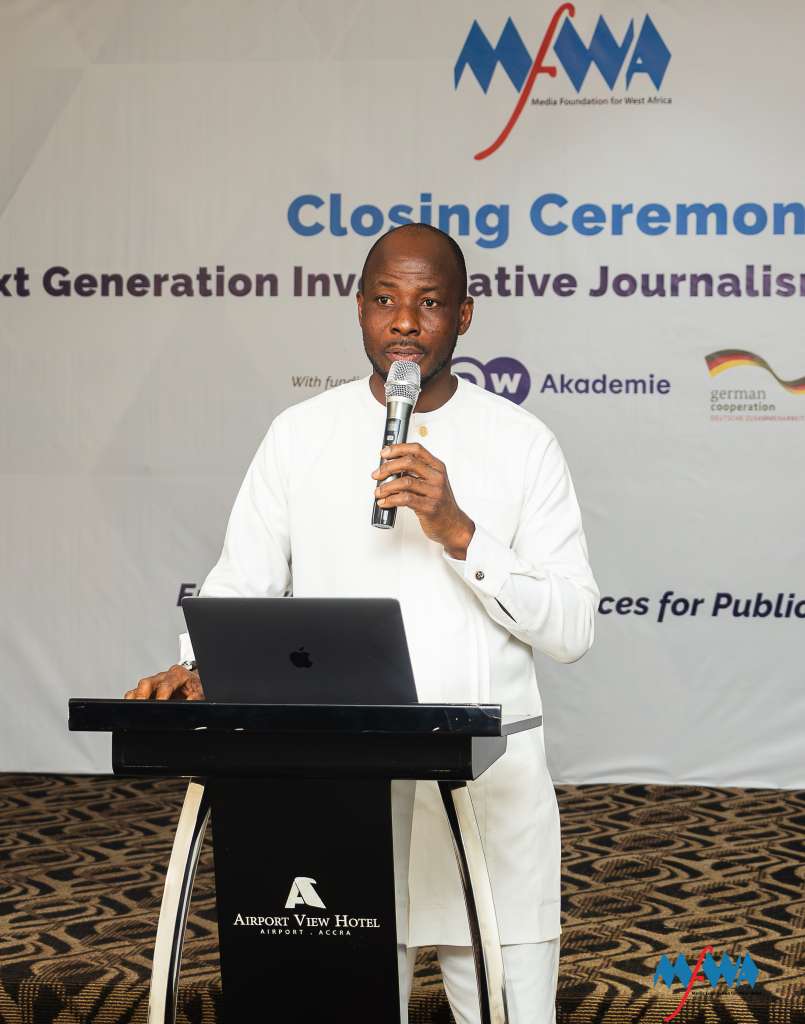
The keynote address was delivered by the well-regarded journalist Bernard Avle; who described the current era as posing both challenges and opportunities.
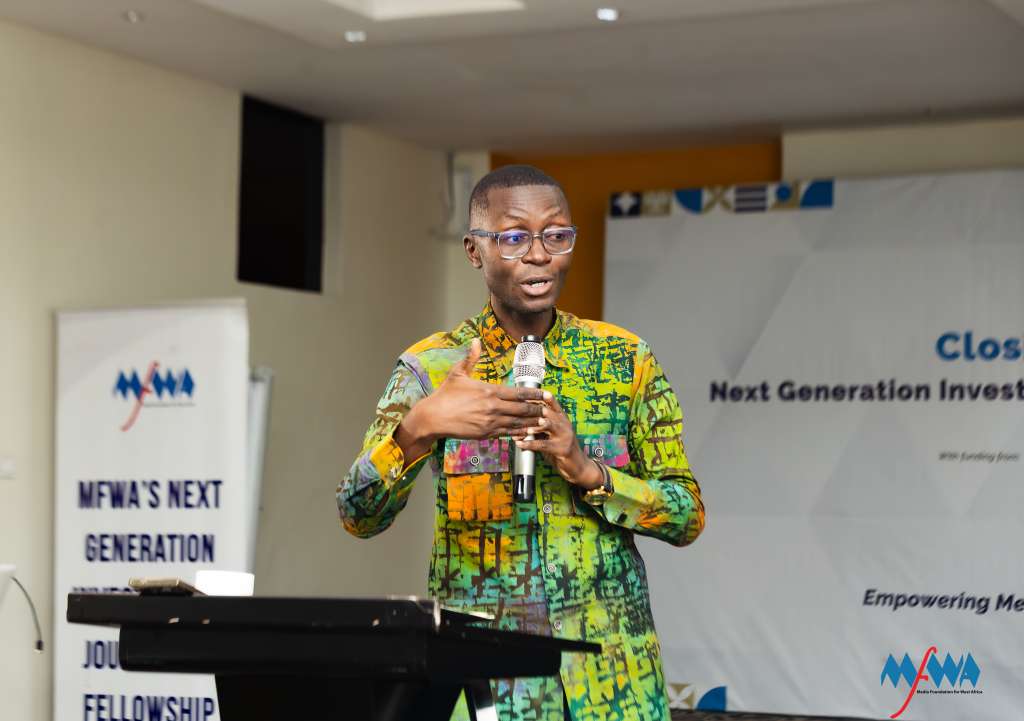
He noted that while the current corps of journalists benefit from more structured training and tools than previous generations, they also had to contend with remarkable challenges; including declining financial viability of traditional media, the disruptive influence of digital platforms, and a global environment where press freedom is increasingly under threat.
Yet, in spite of these pressures, Mr Avle stressed that the demand for credible, fact-based journalism is even more compelling. In an age of alternative facts, fake news and deepfakes, a discipline of verification is more valuable than ever.
He reminded Fellows that journalism must be anchored in discipline and integrity; its first obligation is to the truth, and its ultimate loyalty is to citizens. To survive and thrive, he urged that journalists must prioritise collaboration and networking; and uphold professional standards over personal recognition.
Ama Kodjo, Programme Director at the Ghana office of the DW Akademie, which funded the 7th NGIJ Fellowship under our project “Promoting Media Safety and Professionalism for Accountable Governance in West Africa,” reinforced the importance of values in determining the long-term relevance of the fellowship opportunity received.
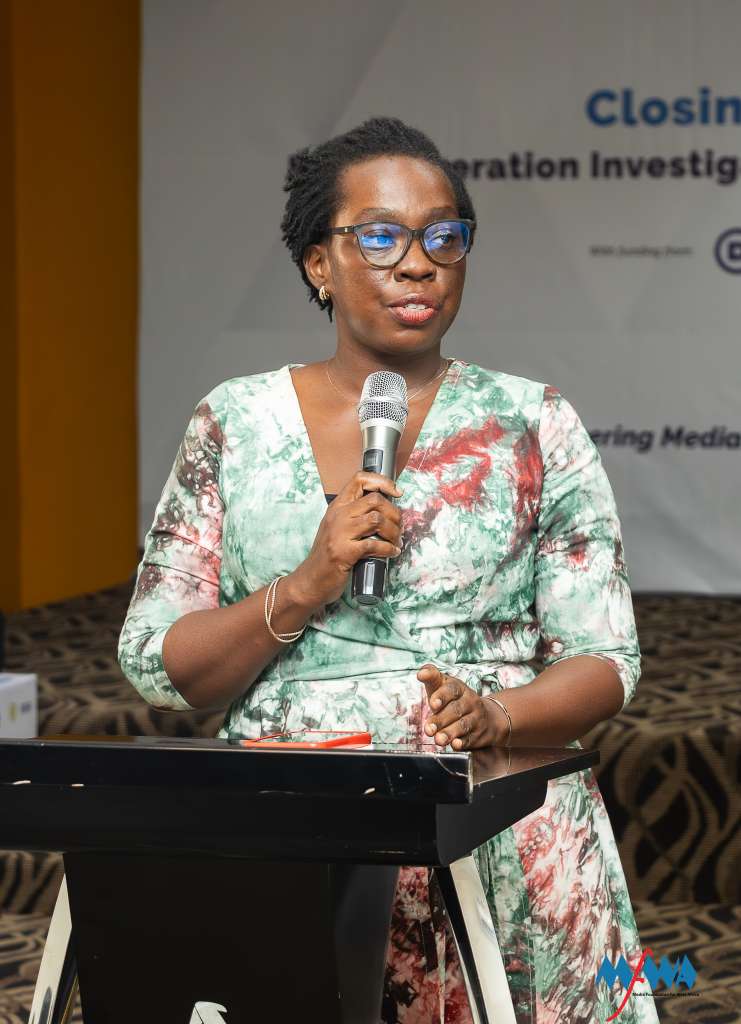
She described the graduation as not an end, but the beginning of promising prospects for those with ethical convictions, to strive and to thrive. According to her, while skills can open doors, it is a journalists values that sustain them in the face of pressure, risk and backlash. “Journalism is not powered by equipment, or funding or platforms; it is powered by values” she said.
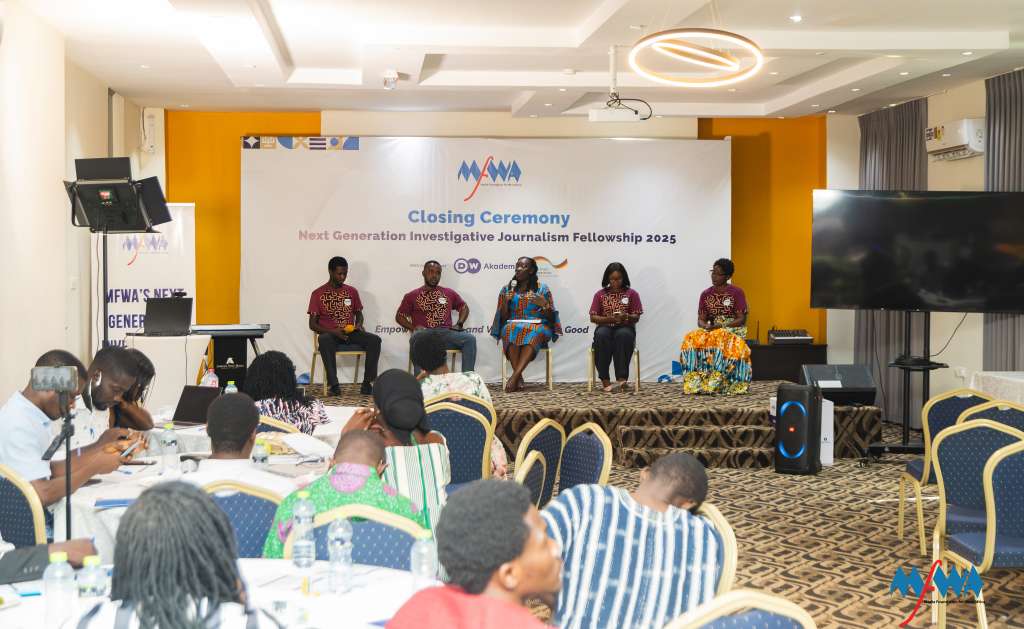
The graduation also featured a panel discussion where Fellows reflected on their experiences and shared their aspirations as they transition into the field.