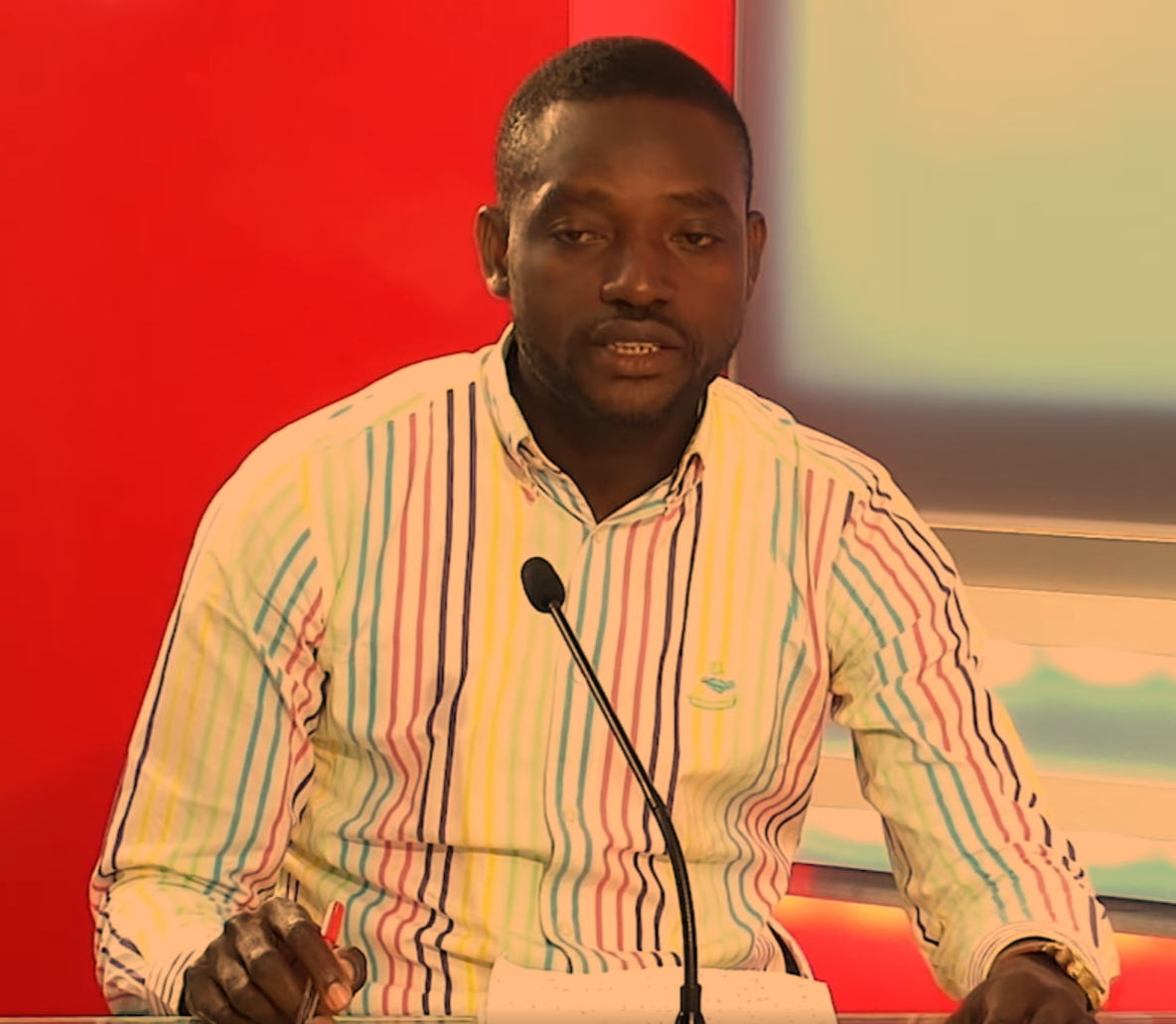

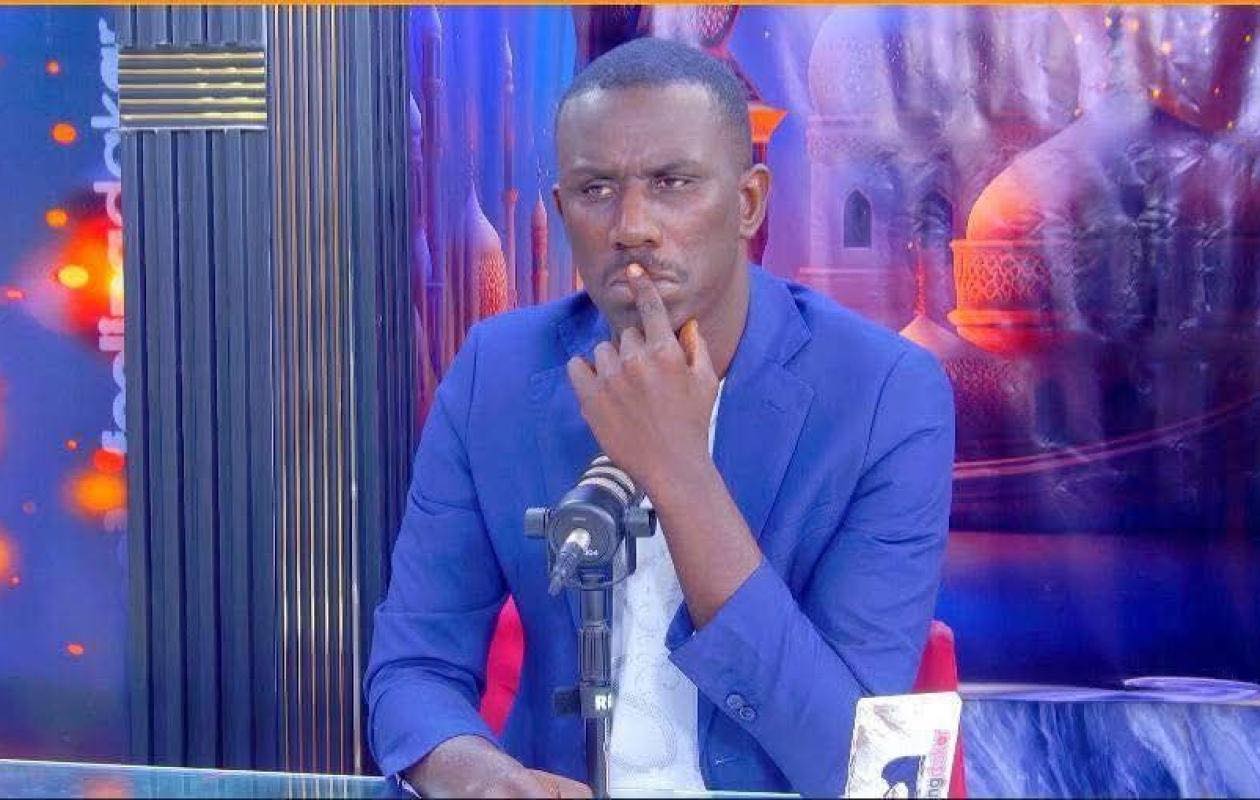
Daouda Ndiaye, also known as Daouda Wally, a journalist with Feeling Dakar TV, was sentenced on March 16, 2026, to two months’ imprisonment and a fine of 100,000 CFA francs (about USD 170) for offending the President of the Republic. His conviction follows the publication of a caricature of President Bassirou Diomaye Faye, which authorities deemed disrespectful.
Ndiaye was arrested on March 10, 2026, by the Colobane Investigation Unit and brought before the prosecutor after reposting an image depicting the president in traditional “Ndjuli” circumcision attire. The image referenced remarks made by President Faye on March 7, during the launch of his coalition, in which he described a past political moment as marking his transition into “manhood.” The comment had circulated widely online and prompted satirical reactions, which Ndiaye echoed by reposting the caricature.
According to his media outlet, the image was not originally created by Ndiaye but reposted from another Facebook page. The content was later removed. In court, Ndiaye apologised and said he lacked sufficient understanding of journalistic ethics. He stated that he had simply shared a widely circulated image with a comment and acknowledged that it was a mistake.
The prosecution argued that associating the president with such imagery undermined the dignity of the office, stressing that the presidency represents a national institution that must be respected. The court subsequently convicted Ndiaye and imposed a custodial sentence.
Ndiaye’s case replaces Doudou Coulibaly’s as the most recent case in Senegal where a journalist or a critical voice has been detained for the charge of offending the head of state. Before them, journalists Bachir Fofana and Badara Gadiaga, as well as former MP Moustapha Diakhaté, were arrested and prosecuted on the same charge.
While we acknowledge the time-honoured tradition of respect for our elders and leaders across West Africa, it is untenable for the journalist to be arrested and spent time behind bars like a common criminal. The Media Foundation for West Africa (MFWA) considers this decision inconsistent with international standards on freedom of expression.
Satire, parody, and even offensive or mocking commentary about public officials are protected forms of expression in democratic societies. Public figures, by virtue of their role, are expected to tolerate a higher level of criticism, including ridicule.
The imposition of a custodial sentence in this context is disproportionate and risks creating a chilling effect on legitimate expression. Criminal penalties, particularly imprisonment, should not be used to sanction such speech or expressions. Where a public official feels aggrieved, appropriate remedies exist through civil procedures or media regulatory bodies.
The MFWA therefore calls on the Senegalese authorities to review the conviction and align their approach with international human rights standards. Safeguarding the dignity of public office must not come at the expense of fundamental freedoms, including the right to criticise and satirise those in power.