
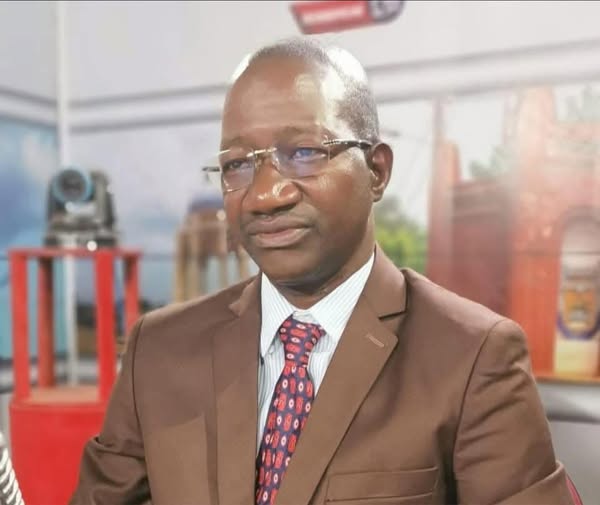
Youssouf Sissoko, editor-in-chief of the newspaper L’Alternance in Mali, was sentenced on March 23, 2026, by the National Cybercrime Court to two years’ imprisonment and ordered to pay 1 million CFA francs (about USD 1,600) in damages.
The conviction follows his appearance before the National Cybercrime Unit in Bamako on March 9, 2026, in connection with an article published in the 200th edition of L’Alternance on February 2, 2026. During the hearing, the prosecutor had requested a five-year prison sentence and a ten-year suspension of the newspaper, while the defence argued that no offence had been committed, maintaining that the article addressed a matter of public interest.
Sissoko was arrested at his home in Bamako on February 5, 2026, and placed in detention. The case relates to an article authored by exiled political analyst Sambou Sissoko, which referenced statements attributed to Niger’s President, General Abdourahamane Tiani, following an attack on Niamey airport in late January 2026. In those remarks, President Tiani allegedly accused foreign leaders, including Emmanuel Macron of France, Patrice Talon of Benin, and Alassane Ouattara of Côte d’Ivoire, of involvement in the attack.
Although the article was written by an external contributor, proceedings were initiated against Youssouf Sissoko in his capacity as publication director. He was prosecuted on charges of spreading false information, undermining the credibility of the State, and insulting a foreign head of state.
The verdict has prompted strong reactions from media organisations and press freedom advocates. In a statement issued on March 23, 2026, the Association of Private Press Publishers (ASSEP) condemned the ruling, warning that it sets a dangerous precedent for the media sector. The organisation noted that the decision could further weaken an already fragile press environment.
Similarly, during a General Assembly held on March 26, 2026, the Maison de la Presse expressed concern over the application of the Code of Criminal Procedure to what it considers a press offence. It described this approach as a worrying setback, arguing that such cases should be handled under Mali’s press laws rather than broader criminal provisions.
The case has renewed debate in Mali over the criminalisation of journalistic work and the liability of publication directors for content produced by third parties, as well as the increasing reliance on cybercrime legislation in handling press-related matters.
The Media Foundation for West Africa (MFWA) is concerned over the severity of the sentence and reiterates that alleged press offences should be addressed within the framework of press law. The MFWA calls on the authorities to ensure that legal proceedings respect principles of proportionality and do not undermine press freedom.