
A national anti-corruption forum in Ghana has issued a clarion call to action for the media, civil society activists and relevant state institutions to unite in a coordinated and concerted effort against corruption.
Participants stressed the urgent need to move away from current fragmented, siloed approaches toward a cohesive coalition where all stakeholders work in synergy to ensure that corruption is not only exposed but punished.
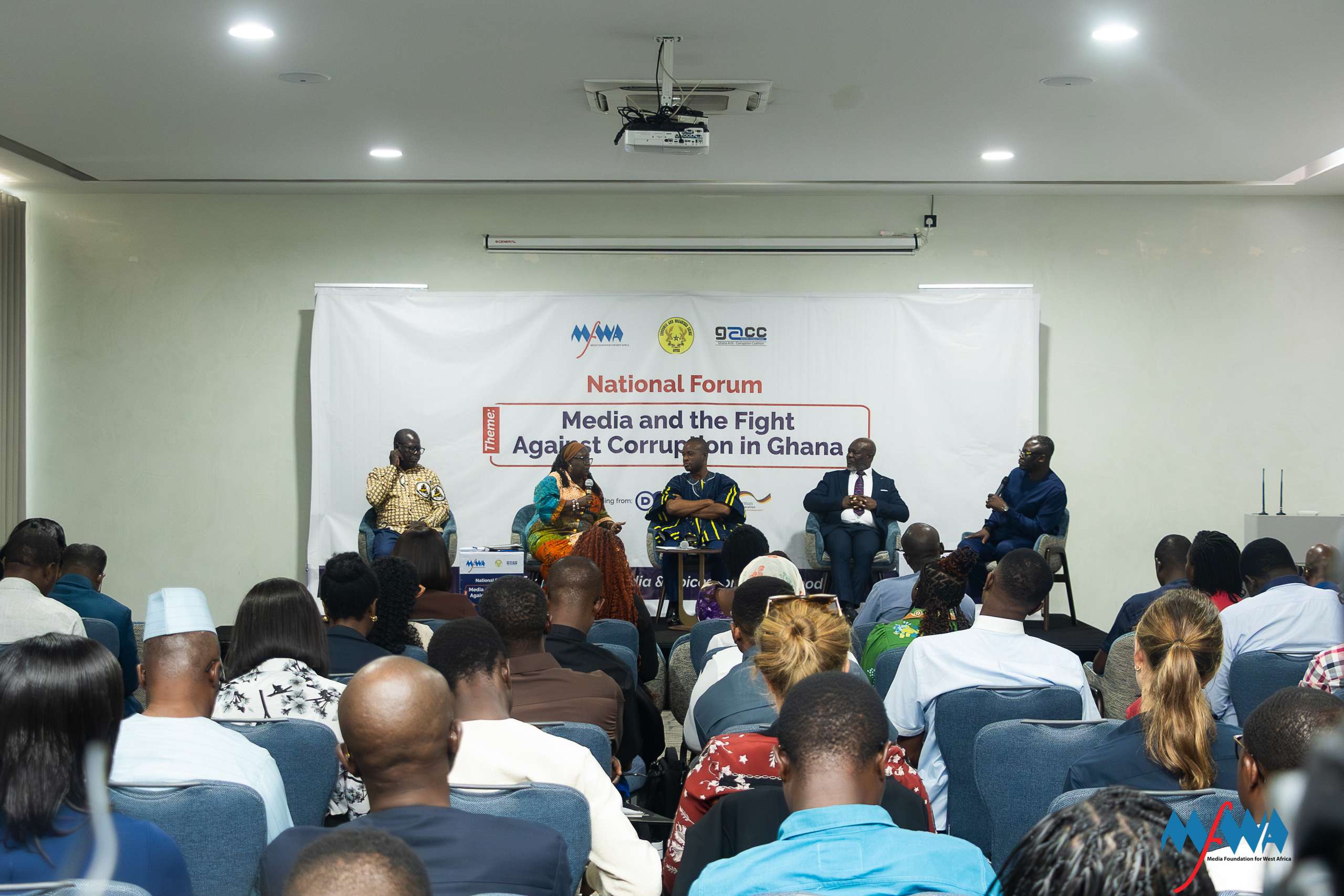
Held under theme, “Media and the Fight Against Corruption in Ghana,” the forum was convened by the Media Foundation for West Africa (MFWA) on March 26, 2026, in collaboration with the Ghana Anti-Corruption Coalition (GACC) and the Economic and Organized Crimes Office (EOCO). It brought together stakeholders from media, civil society, government, academia, and the broader anti-corruption community; with funding support from DW Akademie.
Discussants echoed Ghana’s score of 43 on Transparency International’s 2025 Corruption Perception Index as a ringing indictment and sign of stagnation in the fight against corruption.
We are progressing too slowly
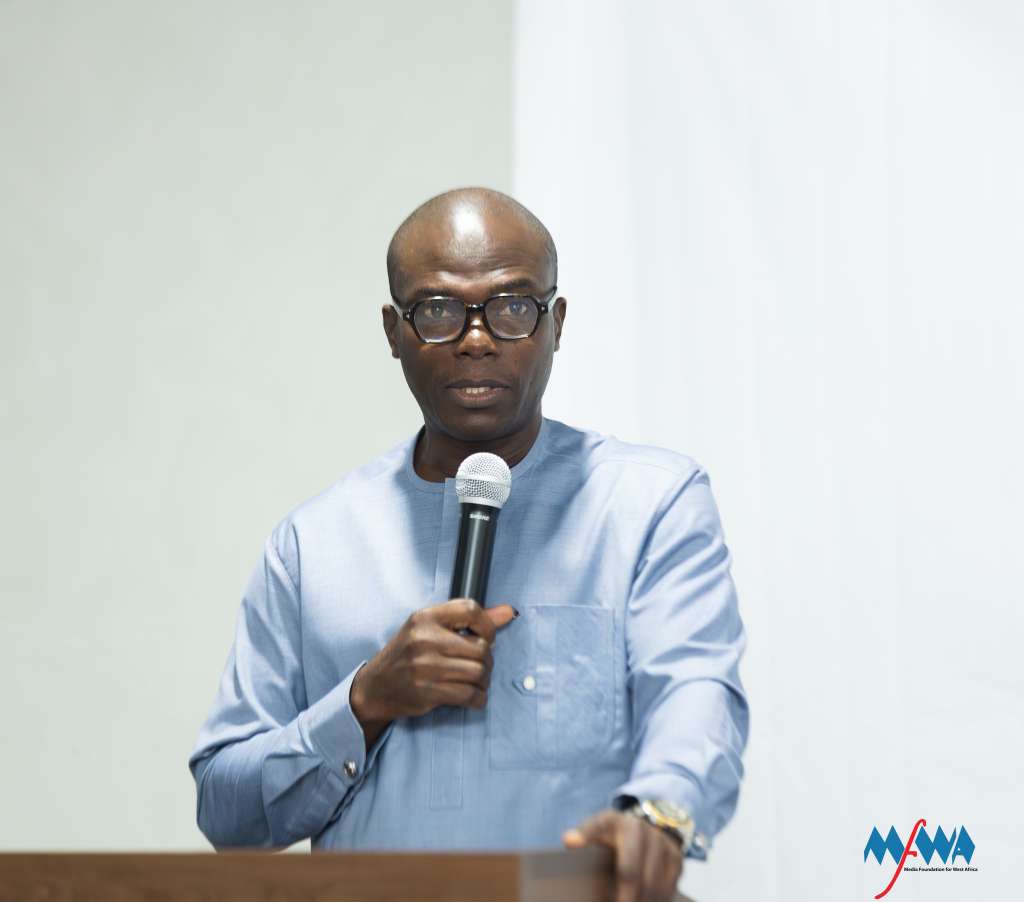
Opening the forum, Sulemana Braimah, Executive Director of MFWA, noted that “Ghana’s recent score of 43 out of 100 on the Corruption Perceptions Index is a reminder that progress has been slow and uneven.” He acknowledged the critical role of investigative journalism in exposing corruption, but warned that exposure alone is insufficient.
Recent investigations, particularly by The Fourth Estate, have uncovered major scandals that have triggered national conversations and resulted in policy responses; and in some cases, occasioned official investigations.
“Yet,” as Mr Braimah pointed out, “exposure does not always lead to accountability. The gap between investigative reporting and actual sanctions remains a critical challenge…. This is not only frustrating for journalists, but it risks eroding public trust in both the media and state institutions.”
Collaborative work, the best option
Mr. Braimah emphasised that the fight against corruption cannot be waged or won by any single institution. Rather, “it requires a coalition, a partnership grounded in trust, transparency, and shared purpose.”
This sentiment was reinforced by the Attorney General, Dr. Dominic Ayine, who, in a keynote address read on his behalf by the Solicitor-General at the Office of the Attorney-General, Helen Akpene Ziwu, noted that despite the existence of key accountability institutions and initiatives, structural constraints continue to impede progress.
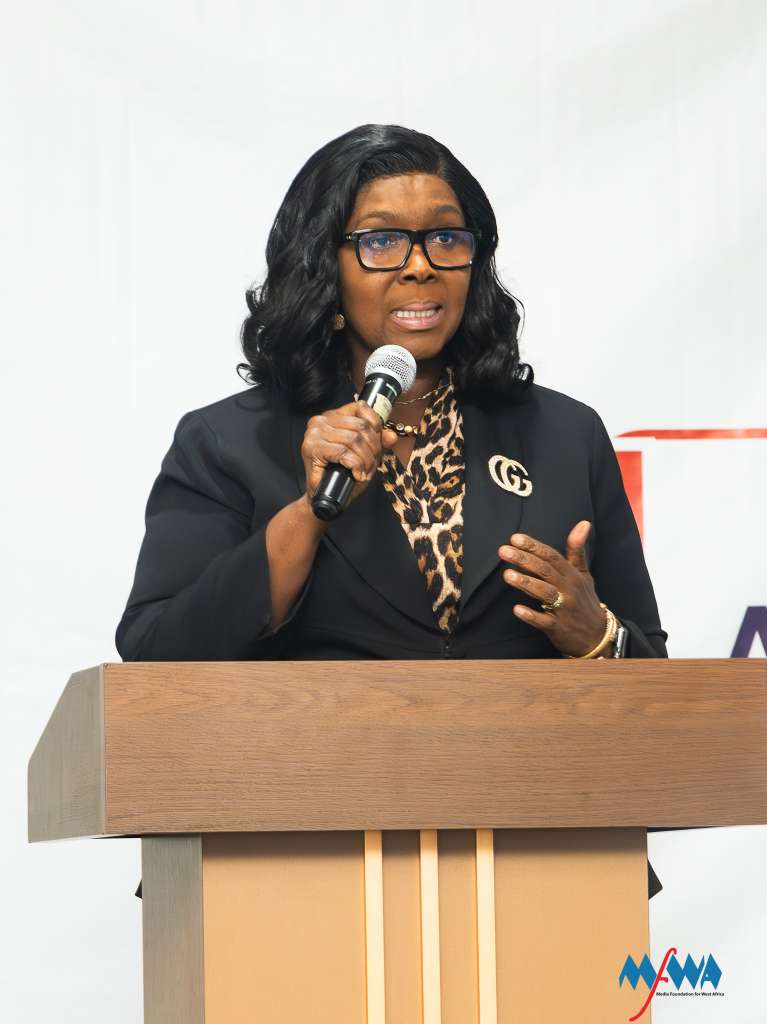
He stressed that anti-corruption efforts require “a coordinated and coherent approach in which the media, investigative bodies, prosecutors and the judiciary operate in synergy, each fulfilling its mandate while reinforcing the efforts of the other.”
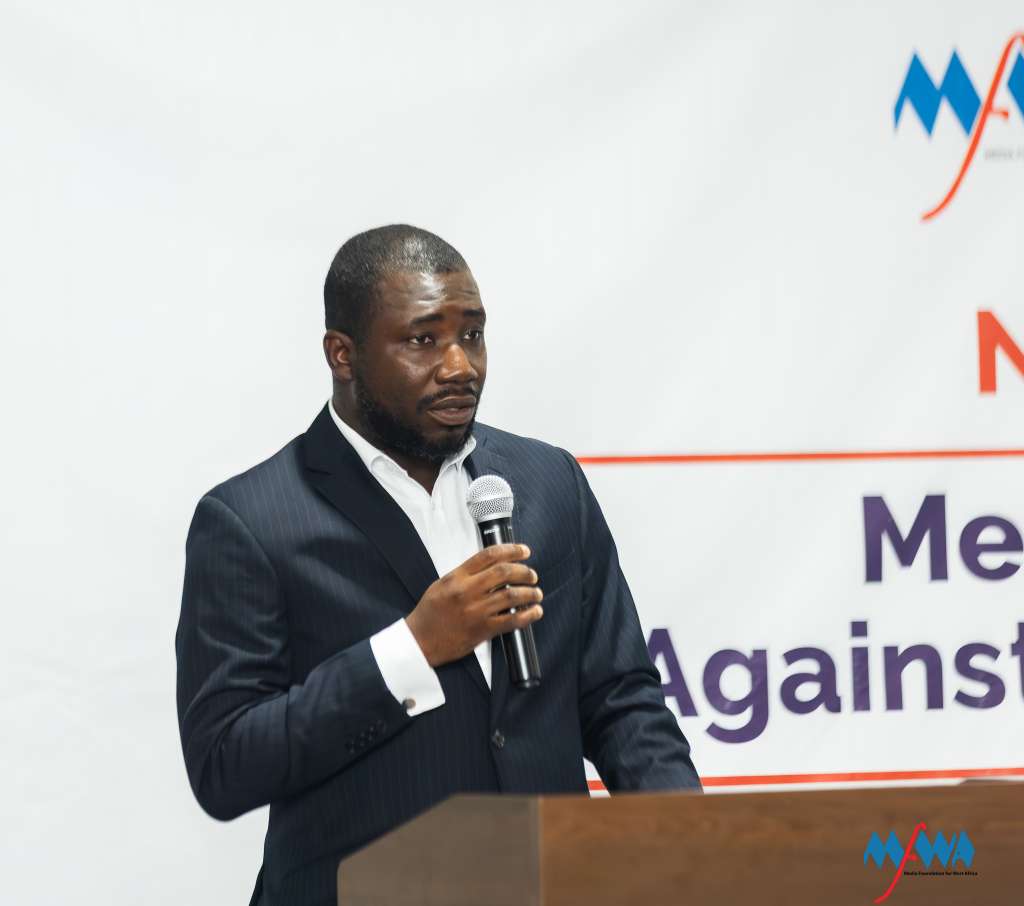
Executive Director of the Economic and Organised Crimes Office (EOCO), Mr. Raymond Archer, reinforced this position in a speech read on his behalf by Leo Anthony Siamah, Head of Legal & Prosecutions, emphasising that institutions must work within their respective mandates, “but with a shared commitment to truth and accountability.”
Investigative journalism remains critical frontend against corruption
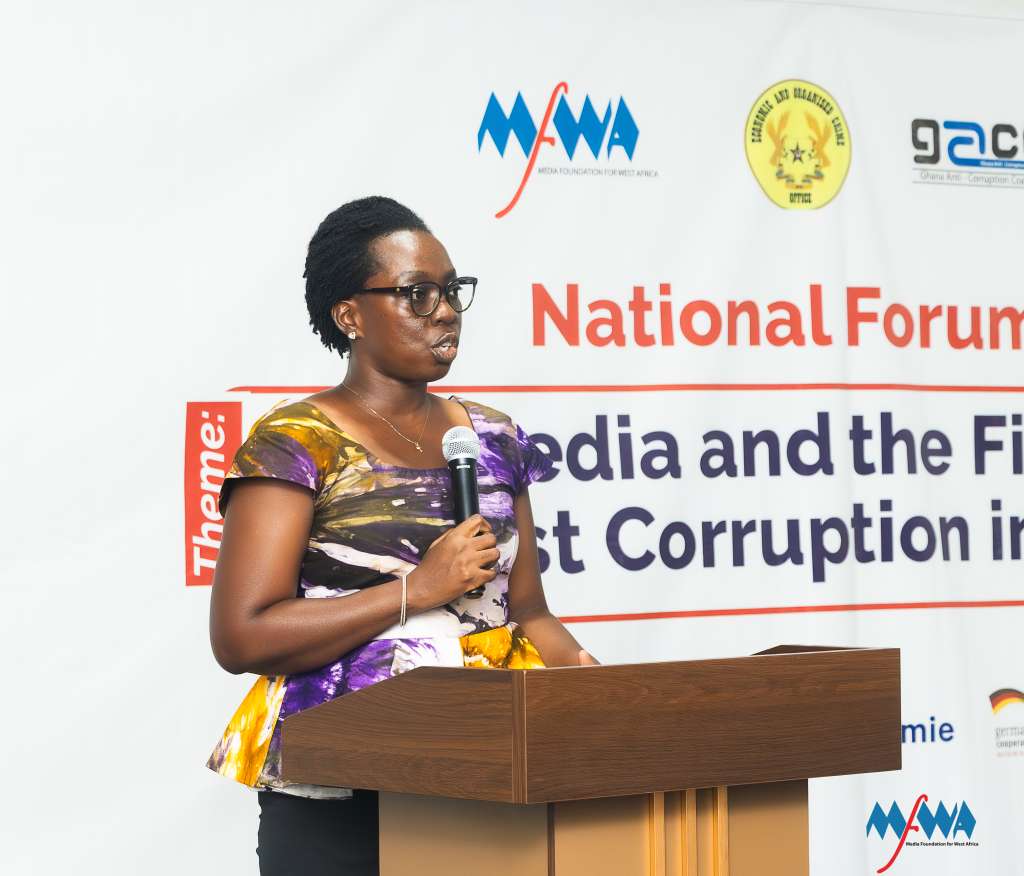
On her part, Ama Kodjo, Programme Director of DW Akademie, Ghana Office, reaffirmed the critical role of investigative journalism as a frontline tool in the fight against corruption. She noted that most major corruption exposures have been done by the media.
“This is why DW Akademie continues to invest in strengthening Ghana’s media ecosystem,” including through “initiatives like the MFWA’s Next Generation Investigative Journalism Fellowship (NGIJ), which is nurturing a new generation of journalists committed to public interest reporting and democratic values,” she said.
However, she cautioned that, “journalists can only succeed if the rest of us — policymakers, agencies, partners, and citizens — choose integrity over indifference.”
A representative of GACC
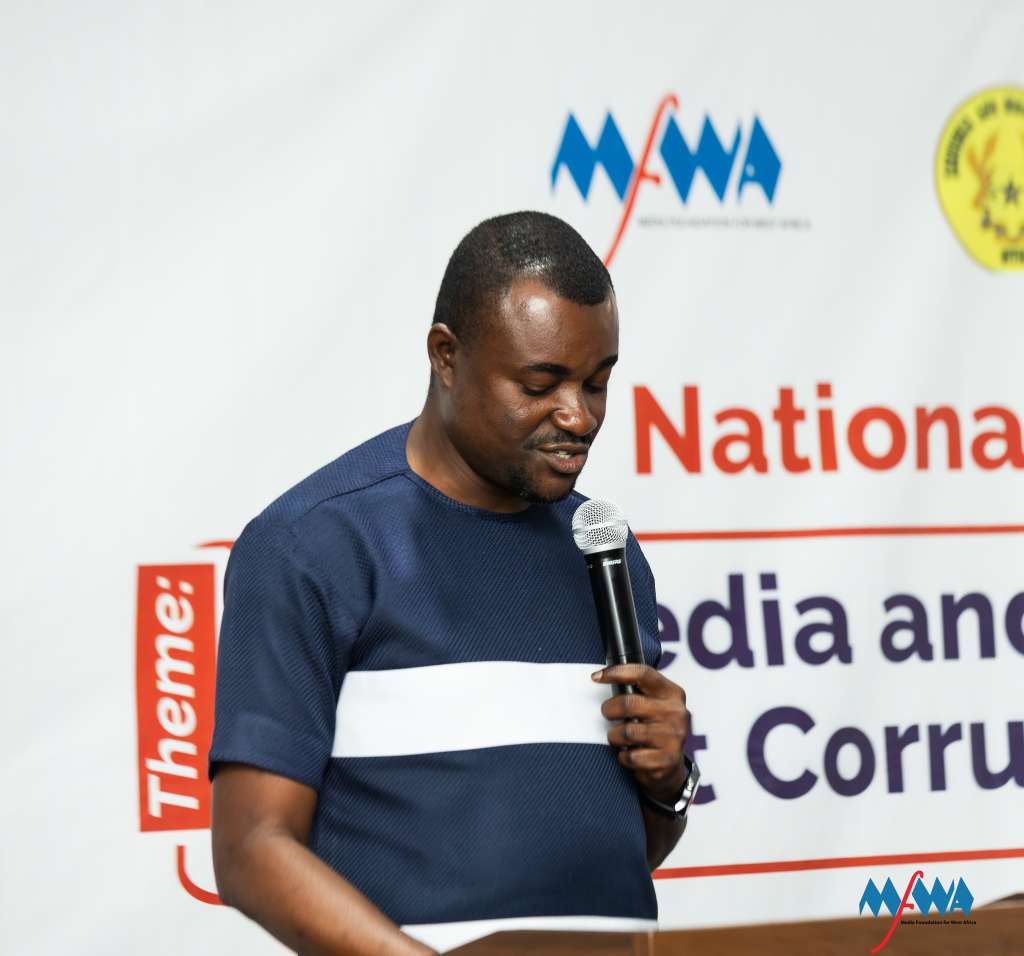
In a solidarity message, the Ghana Anti-Corruption Coalition (GACC) reiterated its continued stance against corruption, as evidenced in its decision to collaborate with the MFWA and EOCO on the national forum.
Panel discussion
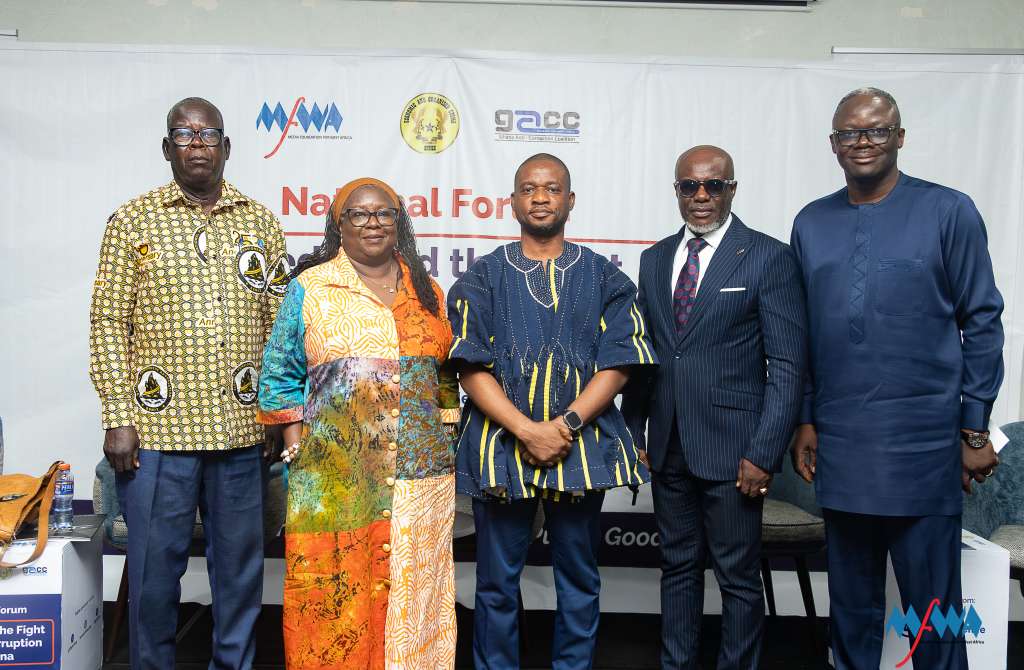
A panel discussion featuring experts from media, law, and academia deepened the conversation and produced concrete recommendations for reform.
For the media, the forum called for stronger professional organization, improved working conditions, and a shift toward more analytical, specialised, and sustained investigative reporting. Journalists were also urged to make greater use of the Right to Information (RTI) law and prioritise continuous capacity building.
Government institutions were urged to respond systematically to corruption exposés with timely investigations and prosecutions. Participants also called for improved compliance with RTI requests, greater transparency, and regular public updates on actions taken. The judiciary was specifically encouraged to fast-track corruption cases.
Civil society organisations and activists were tasked with sustaining pressure for reforms, strengthening accountability mechanisms, and intensifying public education and advocacy efforts. They were also urged to continue pushing for legal and policy frameworks that increase the risks and consequences of engaging in corruption.