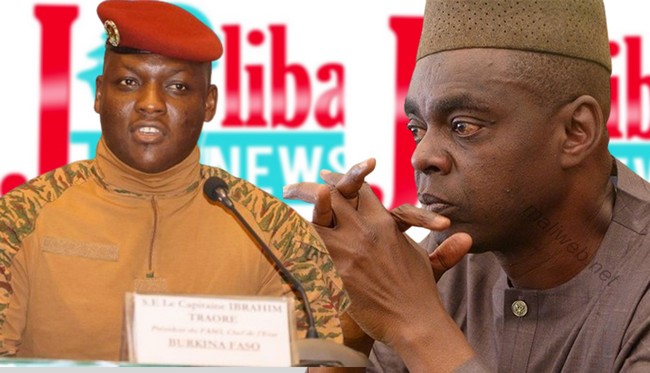

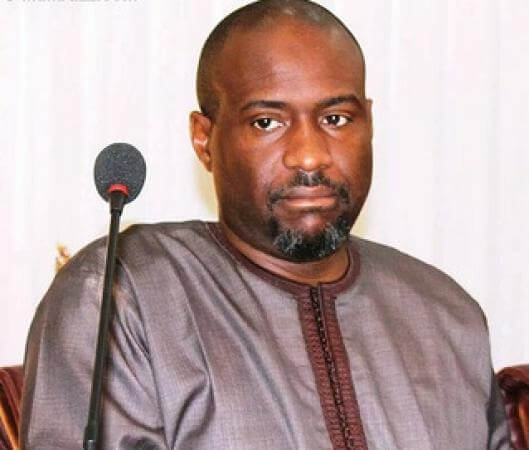
On 9 February 2026, the Bamako Court of Appeal upheld the conviction and sentence imposed on former Prime Minister Moussa Mara by the specialised cybercrime court.
The appellate court confirmed a two-year prison sentence, comprising one year to be served without parole and one year suspended. It also imposed a fine of 500,000 CFA francs. Mara was convicted of “undermining the credit of the State” and “opposing legitimate authority” after expressing support on social media for political prisoners.
Mara, who served as Prime Minister for eight months between 2014 and 2015, was arrested and detained in Bamako on 1 August 2025. His arrest followed several rounds of questioning in July 2025, during which he was summoned to various judicial and police bodies in the capital. On 21 July 2025, prior to his arrest, he was prevented from leaving the country despite no publicly known travel restrictions on his passport.
The charges stem from online posts in which Mara stated that he had visited detained individuals described as “prisoners of conscience” and expressed what he termed “unwavering solidarity,” assuring them that they would one day obtain justice. Prosecutors argued that the posts amounted to undermining state authority.
His lawyer, Mountaga Tall, indicated that the defence would appeal to the Supreme Court, stating that they would consult and pursue further legal remedies.
The case unfolds in a broader political context marked by tightened restrictions on civic and political space. Mali has been under military rule since coups in 2020 and 2021. The authorities have taken measures affecting political parties, civil society and critical voices. In July 2025, the transitional authorities granted General Assimi Goïta a renewable five-year presidential term without elections, after earlier commitments to restore civilian rule.
The Media Foundation for West Africa (MFWA) calls on the Malian authorities to respect constitutional guarantees of freedom of expression and to ensure that criminal provisions are not used to sanction peaceful opinion or expressions of solidarity. MFWA urges the authorities to uphold due process and protect the right to free expression, both offline and online.