
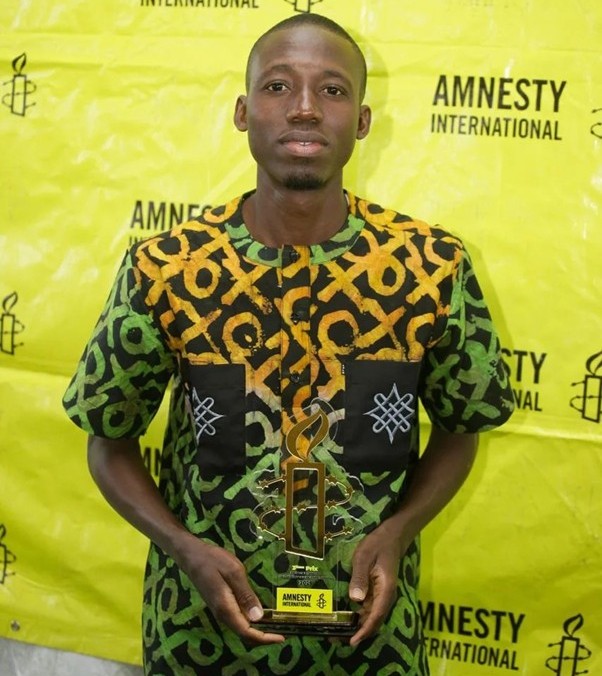
A story funded by our grant programme for journalism on Digital Public Infrastructure (DPI) has won a human rights award after it was published in Benin.
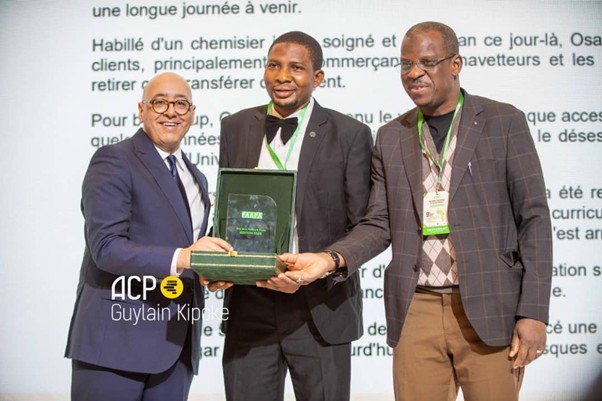
‘Digitalisation des inscriptions à l’Université d’Abomey-Calavi : un défi d’inclusion pour les étudiants handicapés,’ won third place in the 2025 Human Rights Journalistic Production Award organised by Amnesty International Benin on January 28, 2026 at Cotonou.
The story highlights how the introduction of online digital registration of students by the University of Abomey-Calavi has provided some relief for students with disabilities; who previously had to travel long distances to campus to register. At the same time, the story laments that the new digital platform does not address the needs of visually impaired students.
“I wanted to share this recognition with you, as it illustrates the concrete impact of the program on the quality and scope of journalistic productions related to issues of inclusion, human rights and digital transformation,” wrote the author, Bergedor Hadjihou, in an email to the MFWA.
He added that the story was produced “as part of the journalism grant program on digital public infrastructure, in which I had the honor of participating in 2024, under the coordination of the Media Foundation for West Africa (MFWA), with the support of Co-Develop.”
A contributor to the daily Fraternité, Hadjihou had pitched the story idea to our story production grants programme on Digital Public Infrastructure (DPI) for journalists in Benin, Nigeria, Togo and Ghana, and got the grant for the fieldwork on the story.
The grants programme, implemented by the MFWA with funding from Co-Develop, seeks to support quality journalistic output on DPI-themed issues and events across West Africa. It is part of an effort to enhance the capacity of the media to hold governments accountable as they roll out DPI and Digital Public Goods (DPGs) across the subregion.
Bergedor’s award-winning story draws attention to the accessibility challenges of persons with disability (PWDs) in the digitalisation of student registration processes at the University of Abomey-Calavi.
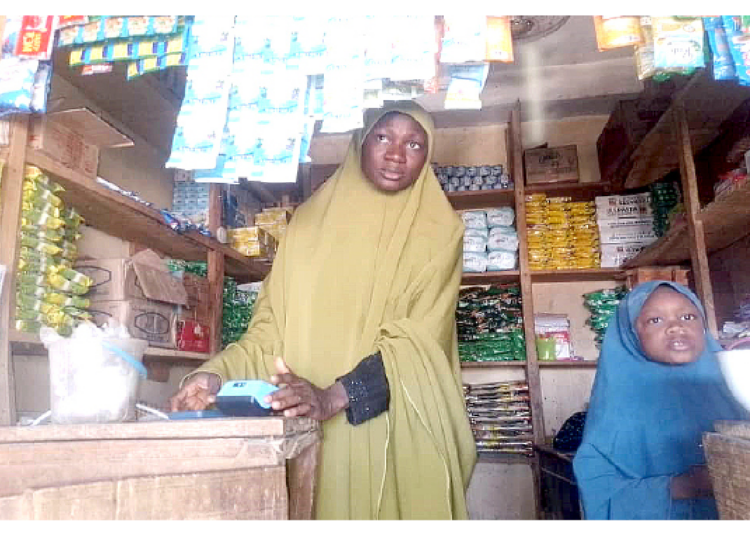
This recognition adds to the growing number of impactful stories by Fellows of the DPI Fellowship. In Senegal, Fana Cisse’s story prompted state agencies to transfer data in their custody to a national storage centre.
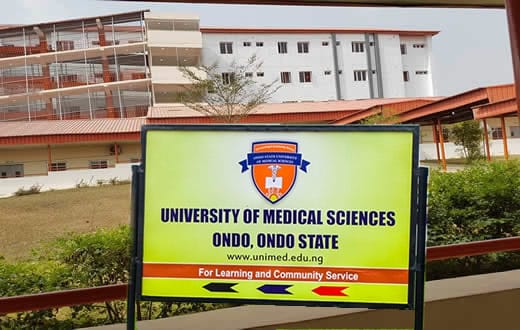
In Nigeria, Flora Iweanya’s story resulted in the University of Medical Sciences Teaching Hospital (UNIMEDTH) in Ondo State piloting a system for the digital collection and storage of patient data.
About the DPI Journalism Fellowship
The Digital Public Infrastructure (DPI) Journalism Fellowship is a flagship initiative of the Media Foundation for West Africa (MFWA), implemented in partnership with and with funding support from Co-Develop.
The Fellowship trains journalists across West Africa to understand, investigate, and report on the region’s digital public infrastructure transformation. Fellows learn to produce evidence-based stories that raise public awareness, drive accountability, promote inclusivity, and encourage active participation in digital innovations.
Since its inception in 2023, the DPI Journalism Fellowship has trained 80 journalists from 10 West African countries. Collectively, the DPI Fellows have produced over 370 stories on issues of digital IDs, digital payment systems, data exchanges and other digital transformative processes.
Through the Fellowship, MFWA and its partners are nurturing journalists who contribute to ensuring that digital progress benefits everyone and advances good governance across the region.