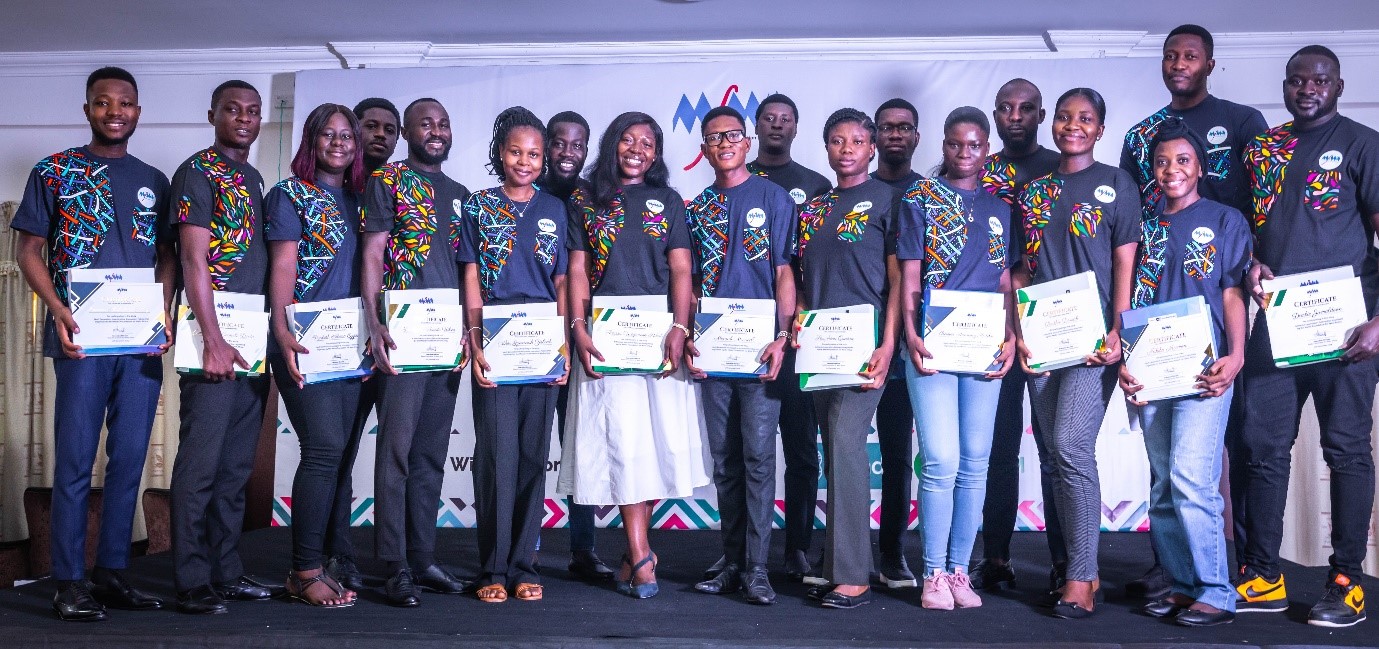

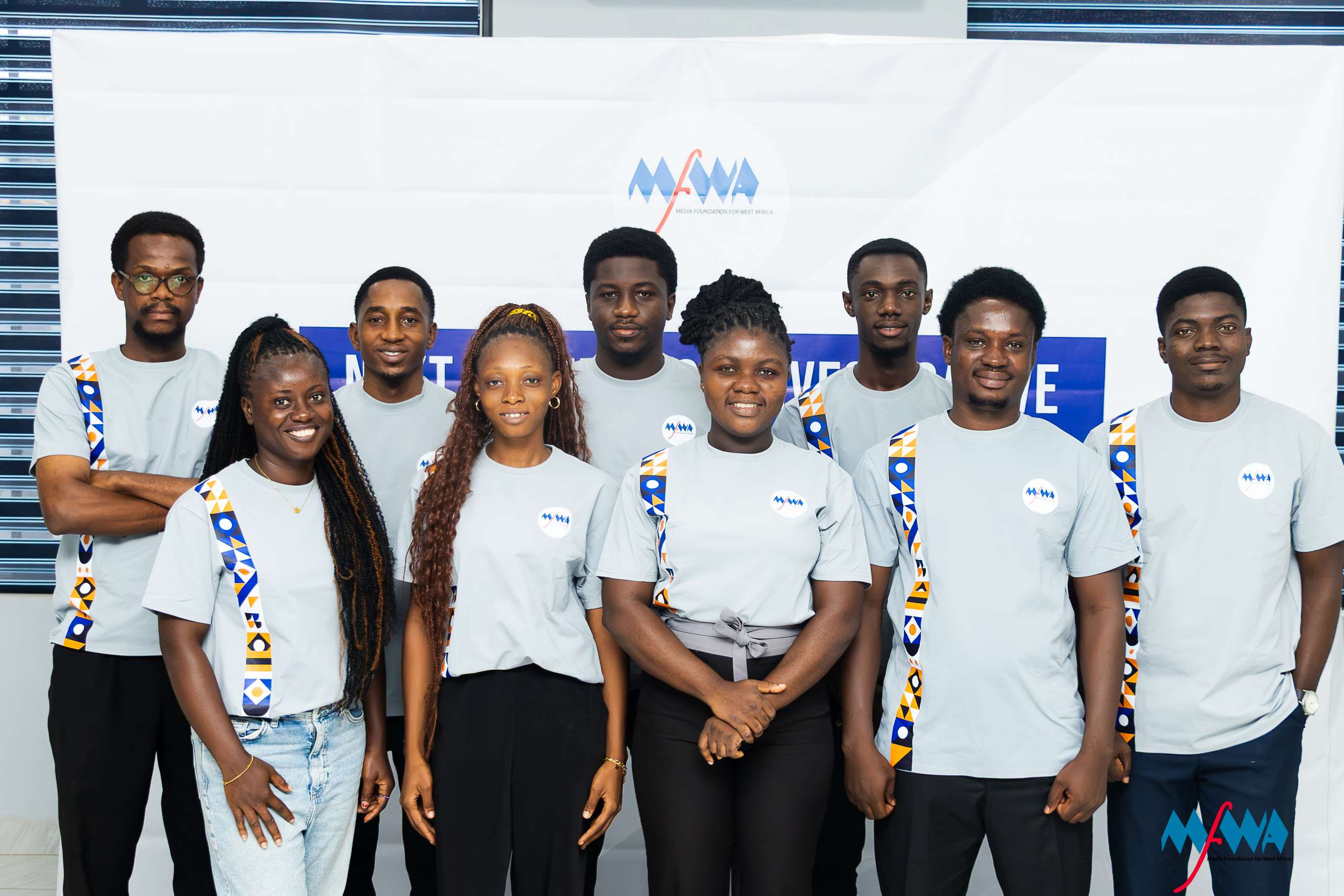
The Media Foundation for West Africa has selected ten early career journalists across Ghana for a three-month investigative journalism fellowship. In the course of the period, the young journalists will build their capacity in reporting on issues of anti-corruption.
The eighth cohort brings together journalists who are passionate about demanding accountability from positions of power and telling the stories often overlooked. These journalists come from broadcast, print and online backgrounds across Ghana. Below are their profiles.
Moses Apiah
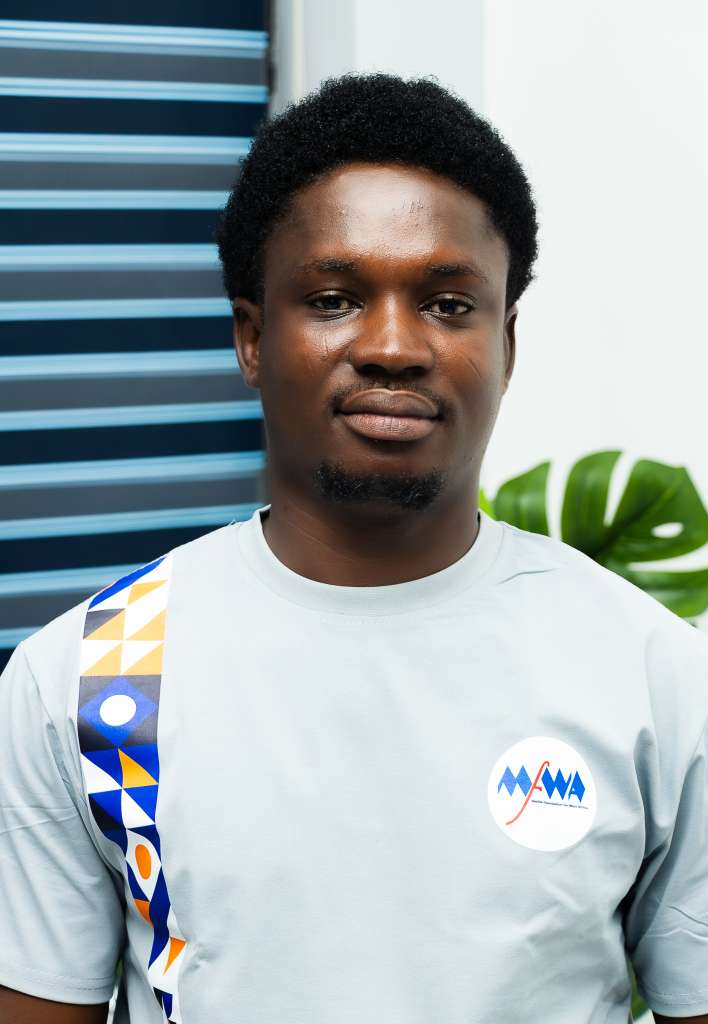
Moses Apiah is a rural journalist with A1 Radio in Bolgatanga, bringing over five years of hands-on experience in rural reporting. Throughout his career, he has remained deeply committed to telling stories that reflect the realities, challenges, and aspirations of underserved communities across northern Ghana. His work is driven by a strong belief that journalism should not only highlight problems but also contribute meaningfully to development.
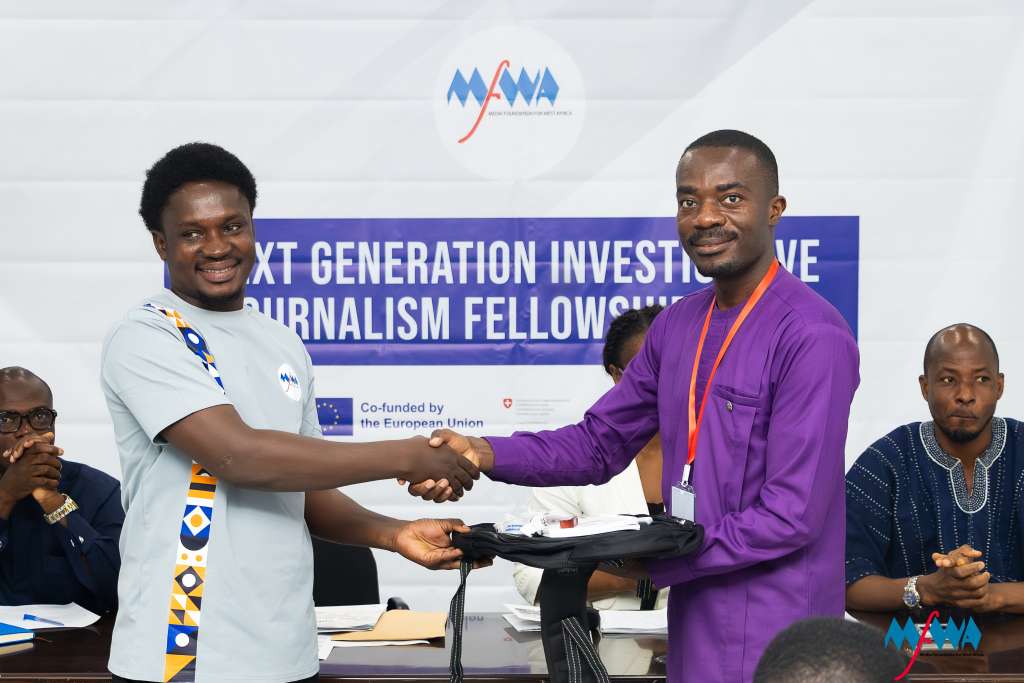
With an academic background in Development Communication, Moses combines theory with practice to produce reports that are people-centered, ethical, and impact-driven. He has reported extensively on issues in agriculture, health, education, local governance, and livelihoods, giving prominence to grassroots perspectives. His reporting style is marked by clarity, empathy, and a deep respect for community knowledge. He is an advocate of solution journalism, which he sees as a powerful tool for promoting sustainable development, especially in rural areas where voices are often marginalised.
Jason Dei

Jason Dei is a Research Analyst at JoyNews with a background in Economics and Accounting from the University of Ghana. He supports the newsroom through data analysis, research, and fact-based reporting on governance, public finance, and socio-economic issues, and publishes analytical articles on MyJoyOnline.
He also produces short-form explainer videos on economic and policy issues for social media audiences, simplifying complex topics and fostering public understanding of national debates. His work interests span public sector accountability, development economics, and anti-corruption reporting.
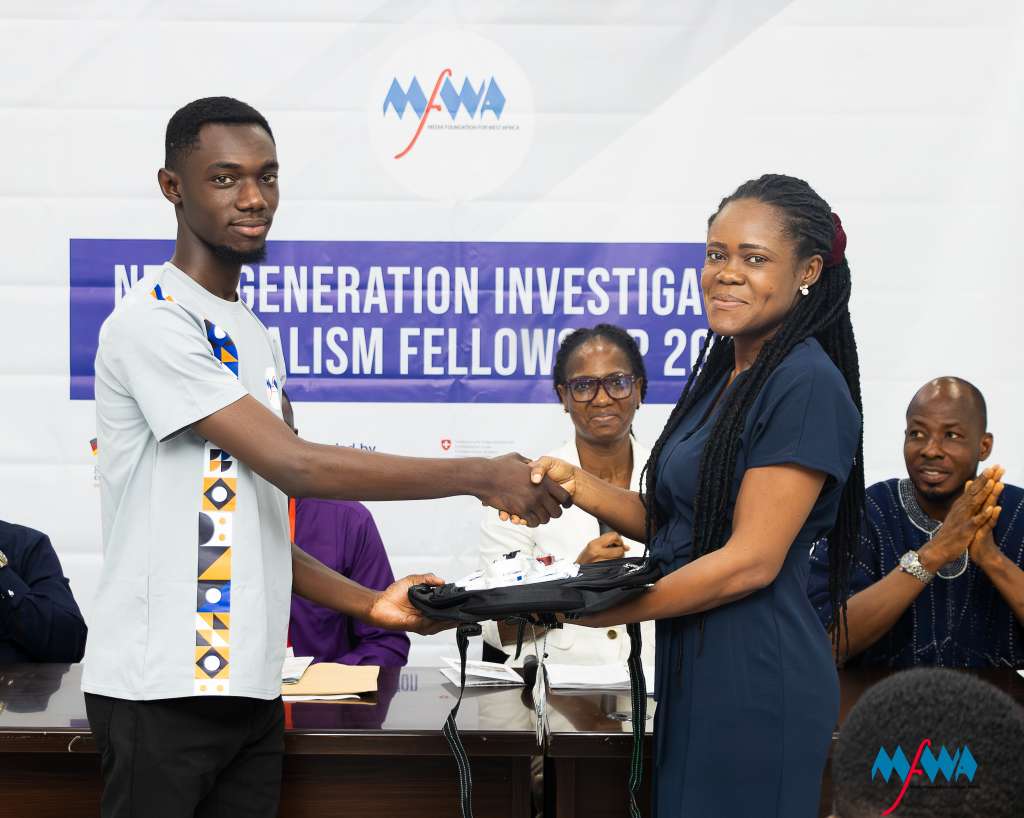
As a Next Generation Investigative Journalism Fellow, he seeks to deepen his skills in data journalism, fact-checking, investigative methods, and the use of the Right to Information law to strengthen evidence-based reporting. Through this Fellowship, he aims to produce in-depth investigative stories on the management of public resources and service delivery gaps, contributing to transparency, accountability, and informed citizen engagement in Ghana and across West Africa.
Jennifer Anyeyore Azure
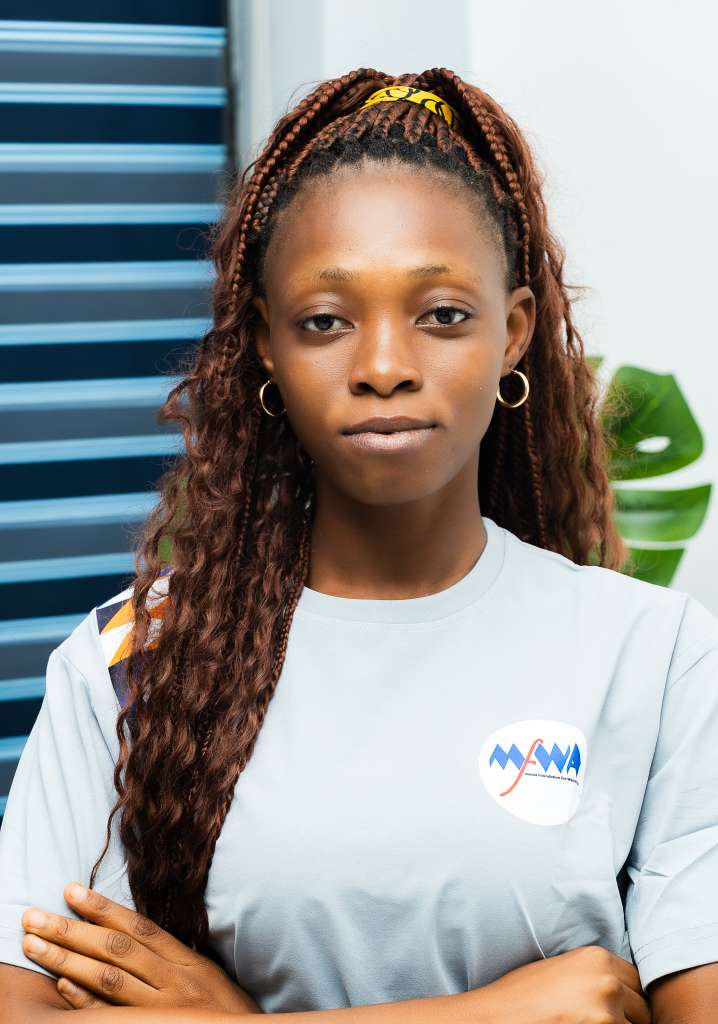
Jennifer Anyeyore Azure, a master’s student in journalism and a volunteer journalist with Dreamz FM in the Upper East Region. She is passionate about governance and accountability, with a strong commitment to using strategic messaging and storytelling to highlight issues that affect young people and marginalised communities.
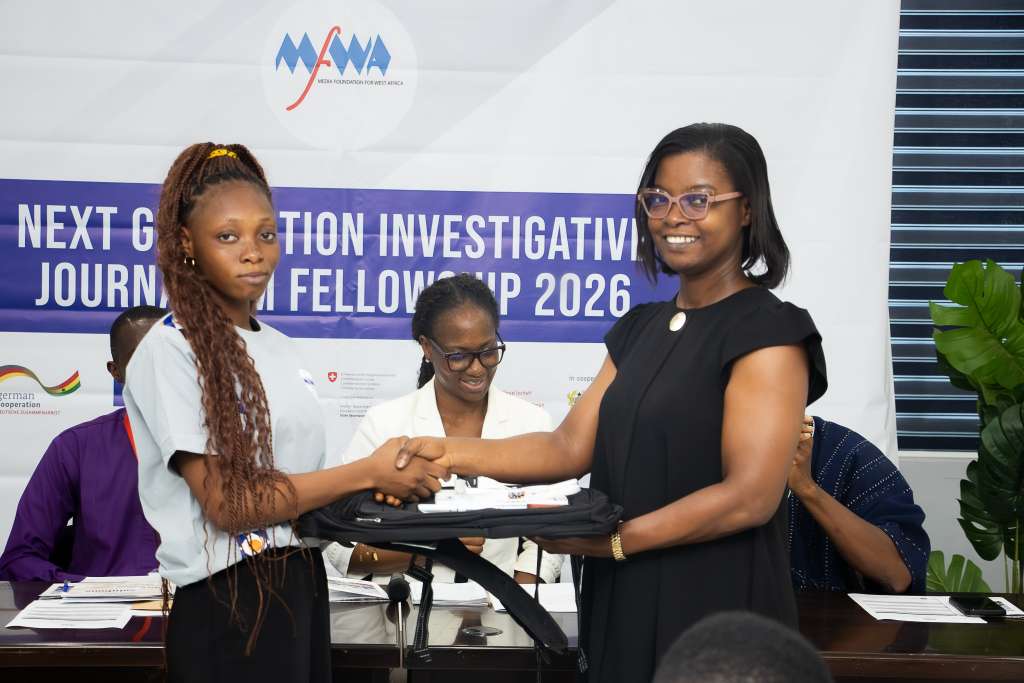
Through the Fellowship, she hopes to refine her investigative journalism skills, learn from experts, and produce impactful stories that strengthen transparency and accountability. She is especially focused on exposing gaps in governance, and holding institutions accountable, aiming to contribute to a more informed and engaged public.
Nana Ntiako Dacosta
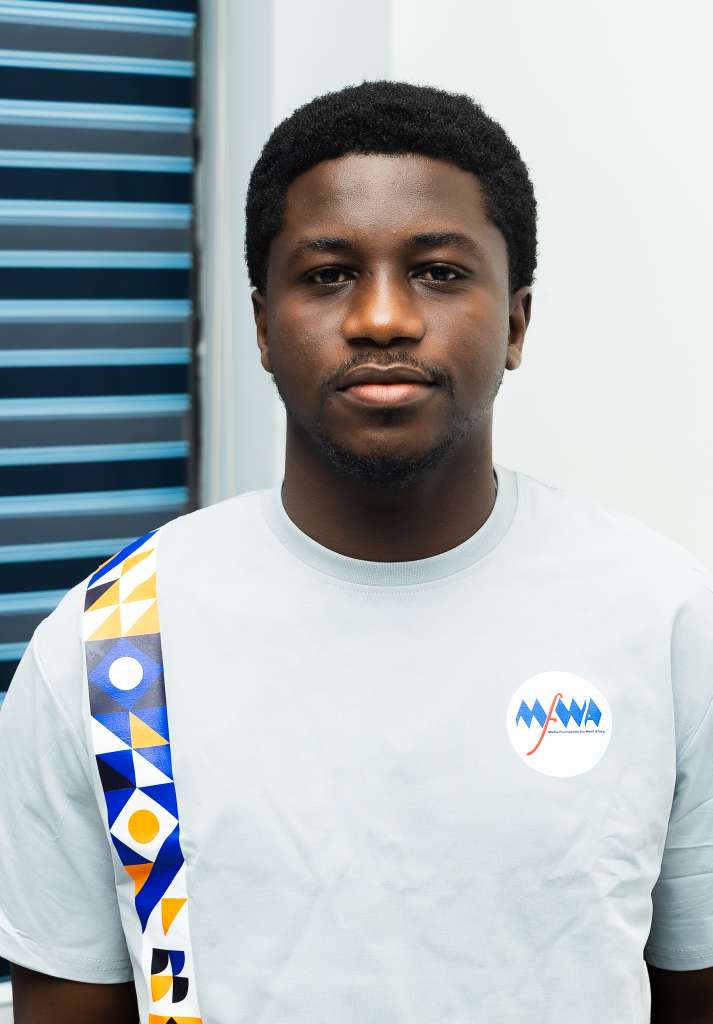
Nana Ntiako Dacosta is a freelance journalist and investigator with a background in Geography and open-source investigations. He has worked on stories around accountability, environmental governance, and socio-economic inequalities, using tools such as data analysis, geospatial verification, and document review. Nana has previously collaborated with investigative newsrooms to examine corruption, mismanagement, and institutional failure in Ghana.
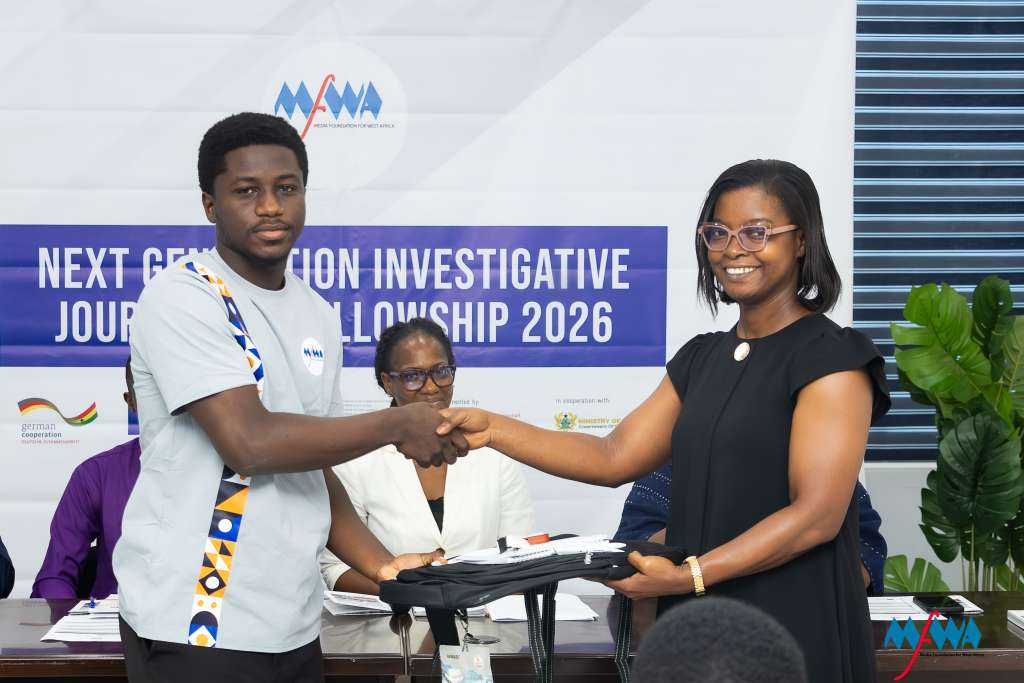
Through the NGIJ Fellowship, he aims to deepen his investigative skills, especially in anti-corruption reporting, data journalism, OSINT, and the effective use of Ghana’s Right to Information Law. He hopes to produce impactful investigative stories that expose systemic failures and strengthen public accountability, while building long-term collaborations within Ghana’s investigative journalism community.
Maame Efua Duker
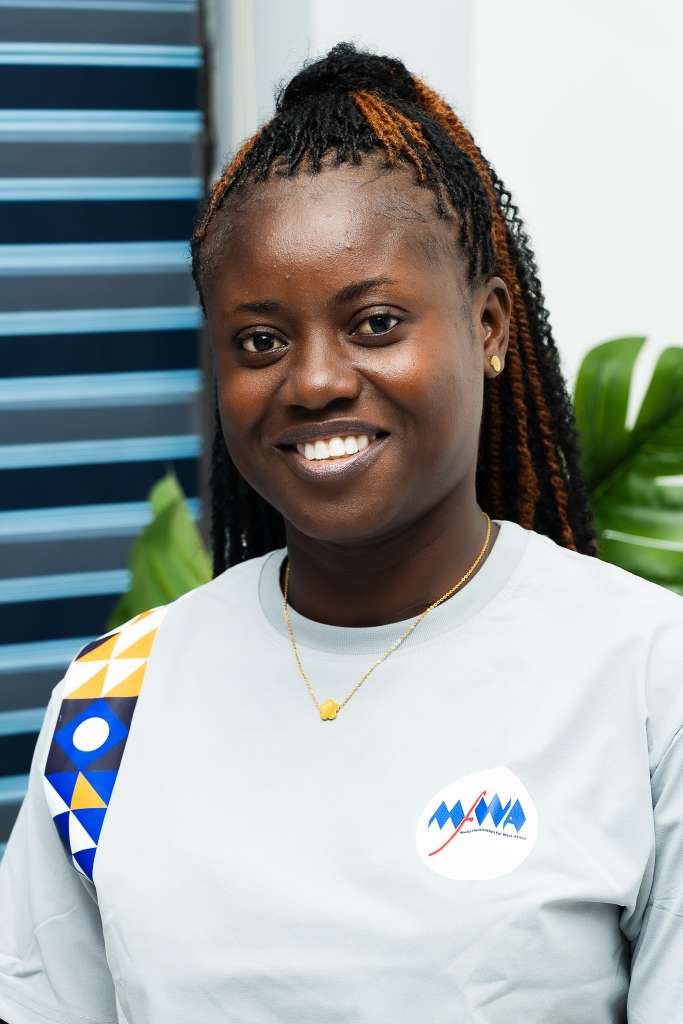
Maame Efua Duker is a broadcast journalist and strategic communications professional with extensive experience across radio, television, and digital media in Ghana. She has worked with several media organisations including Sompa FM, Angel FM, Adom TV, Top Radio, Vision FM and Bohye FM, where she has served as a reporter, correspondent, producer and news bulletin editor.
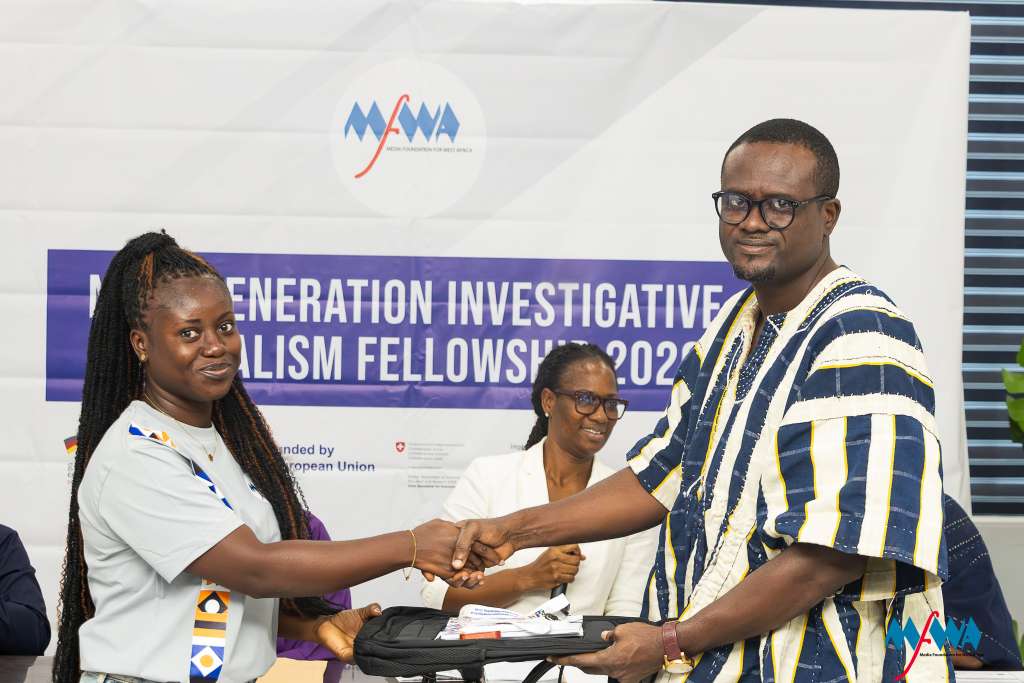
Her works covers political, social, religious and court reporting with strong experience covering high-profile cases across all court levels, including the Supreme Court. She is also skilled in newsroom production, script writing and live broadcasting. She is passionate about accountability journalism, ethical reporting, and strategic storytelling, and is committed to using journalism and communication to inform the public, strengthen democratic discourse and promote transparency in Ghana.
Prinsella Vera Aidoo
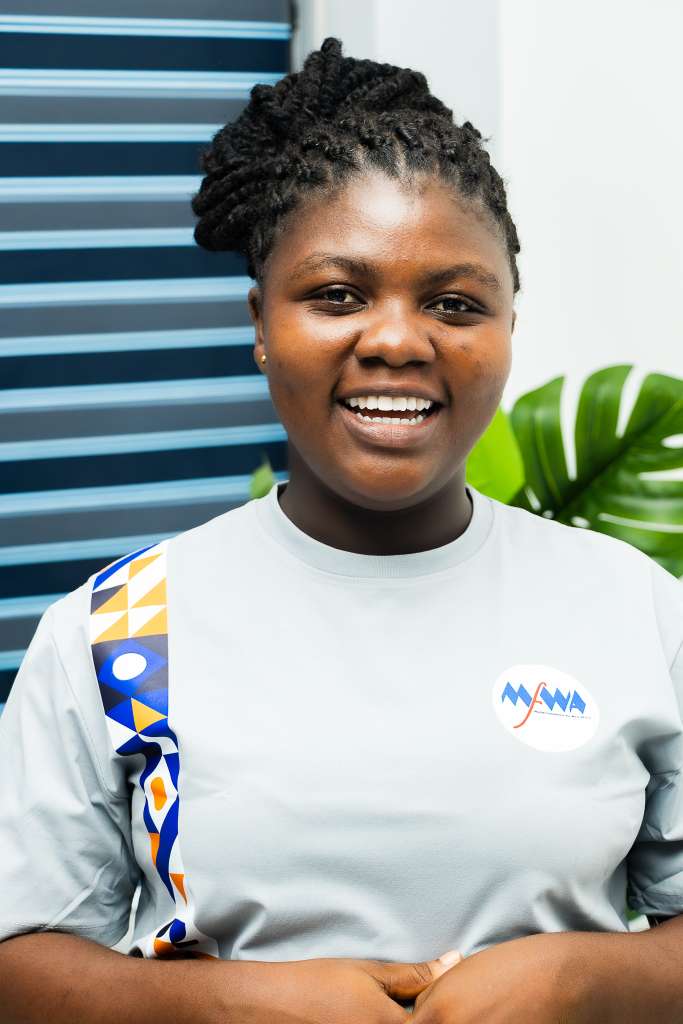
Prinsella Vera Aidoo is a freelance journalist and holds a Bachelor of Arts in Communication Studies with a focus on journalism. She is motivated by a deep dedication to ethical reporting, truth, and accuracy. She writes human-interest stories with an emphasis on elevating marginalised voices and holding duty-bearers accountable.
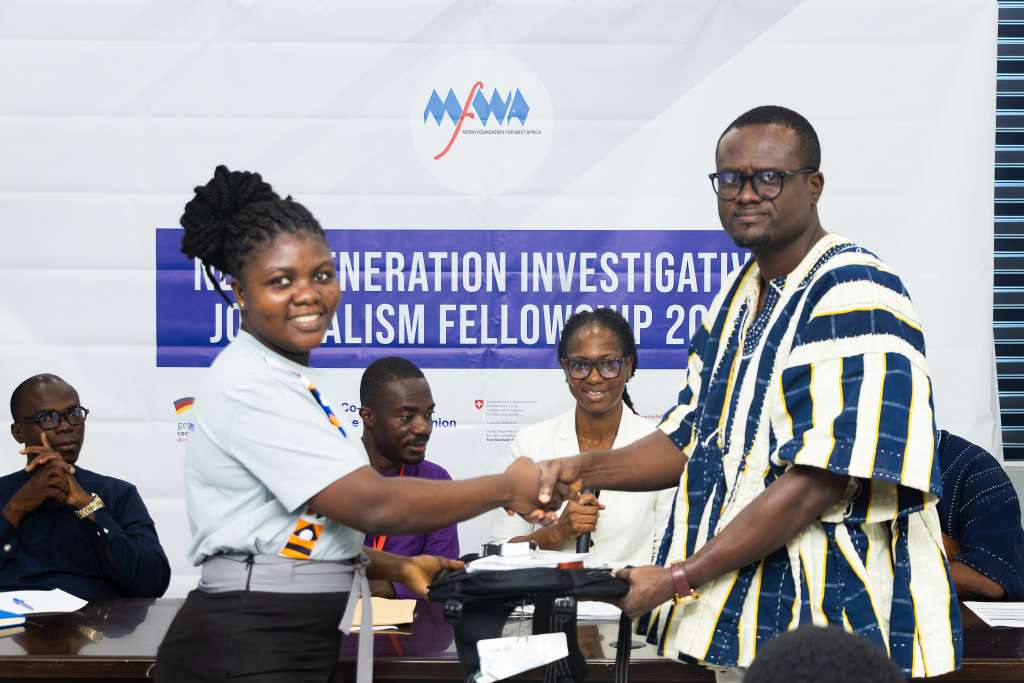
Prinsella has a strong interest in social justice, development, and governance. As a result of her work, she has become increasingly interested in accountability journalism. She is driven to support investigative reporting that upholds democratic governance and encourages transparency.
Joshua Narh
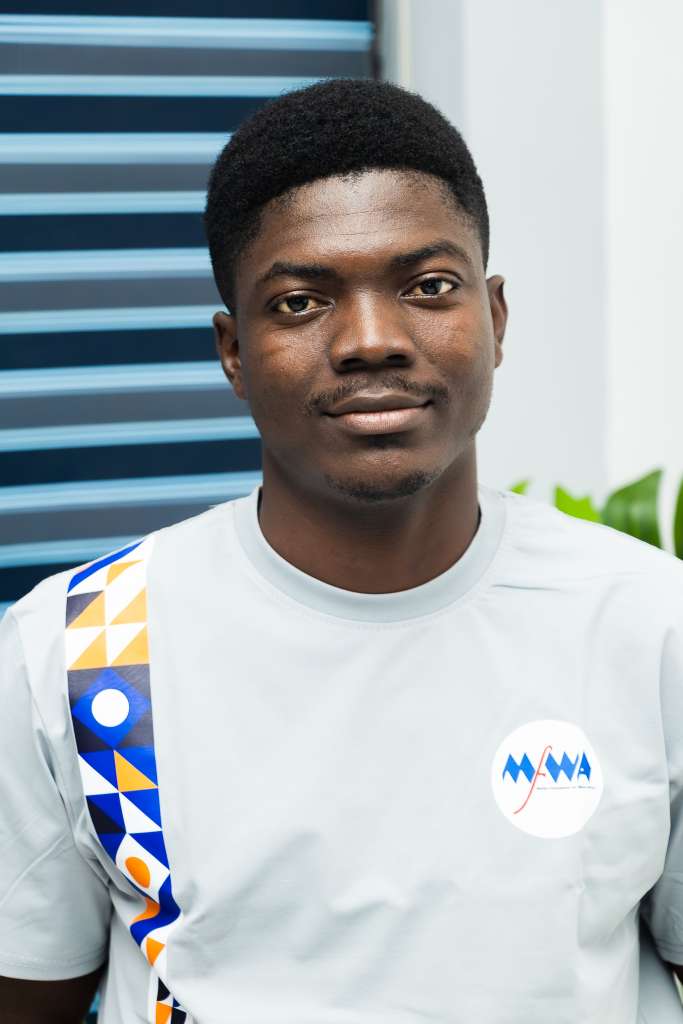
Joshua Narh is a broadcast journalist who currently writes as a freelancer for the Africa Feature Network Kenya. He is passionate about public interest journalism and is committed to using storytelling to expose gaps in governance and highlight issues that affect ordinary people.
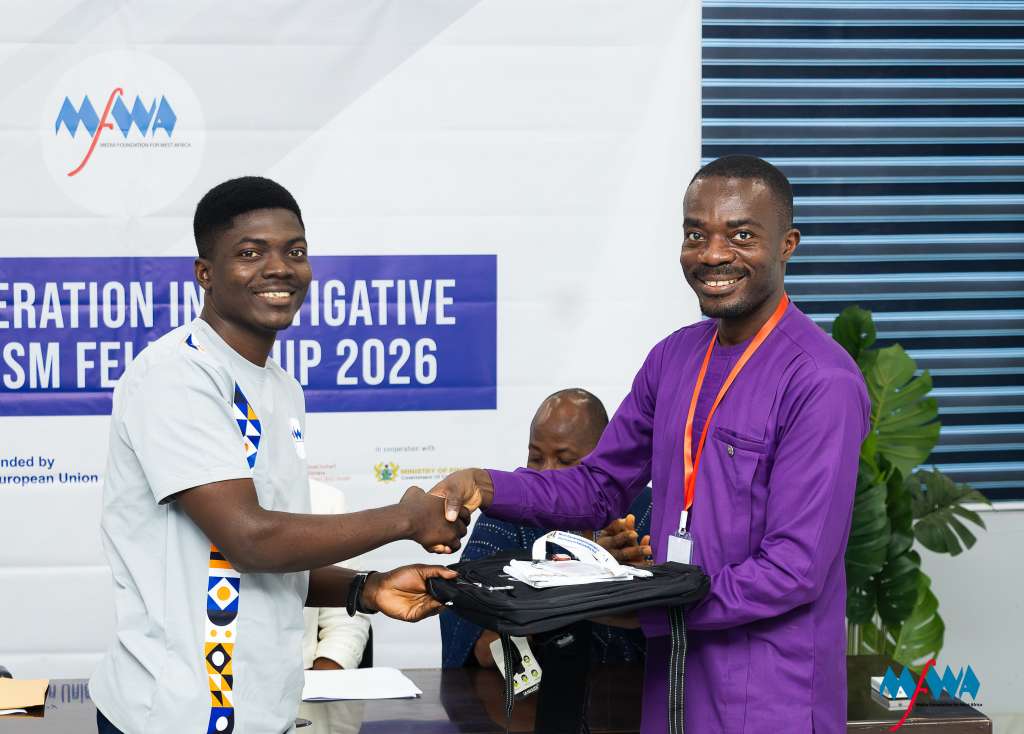
Through the NGIJ Fellowship, Joshua hopes to strengthen his investigative reporting skills, learn from experienced mentors, and produce stories that will directly impact the lives of marginalised groups and ordinary citizens in areas of governance, education, health, and inclusive governance.
Derrick Nimako
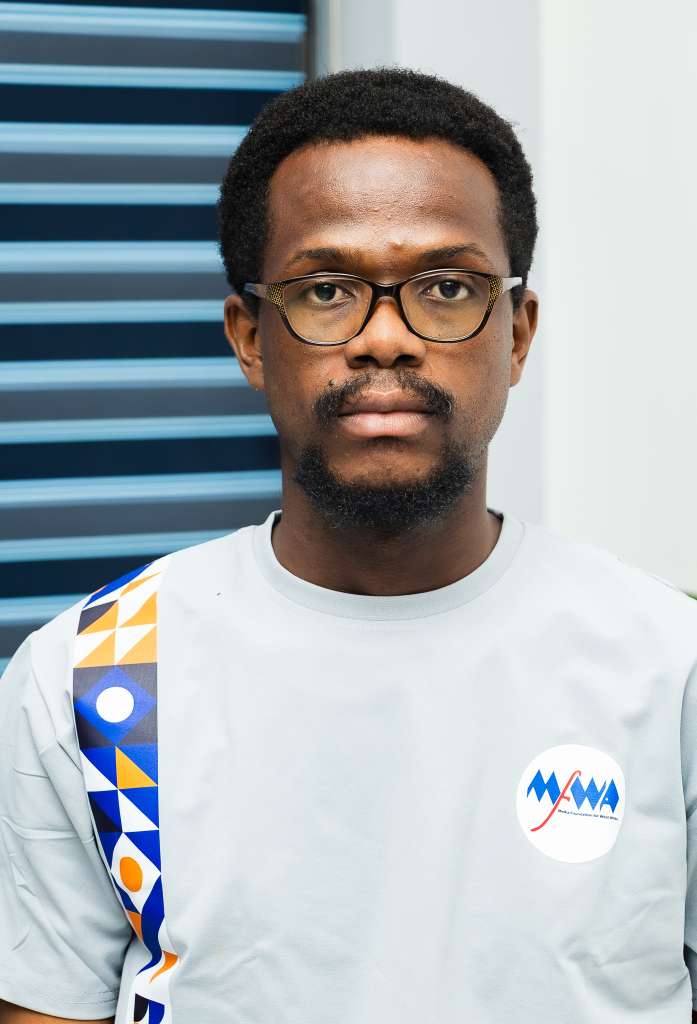
Derrick Nimako is a journalist passionate about governance, national security and public accountability, with a strong interest in terrorism and jihadism. He is interested in applying research driven reporting to explore complex security and governance issues, examining how they affect communities and shape state responses.
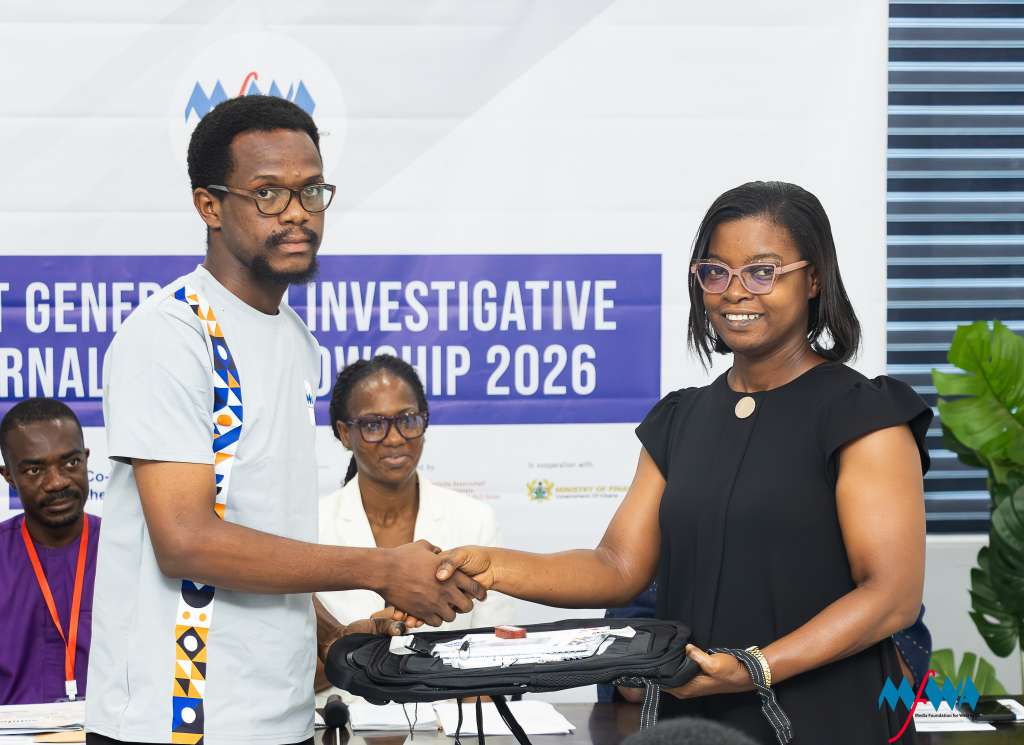
With a focus on cross border security dynamics, he brings a regional perspective to public interest reporting, highlighting the interplay between local, national, and transnational security challenges. Through the NGIJ Fellowship, he seeks to develop his investigative skills and produce impactful stories that advance accountability, transparency, and public awareness of critical security issues.
Gabriel Jackson Ocloo
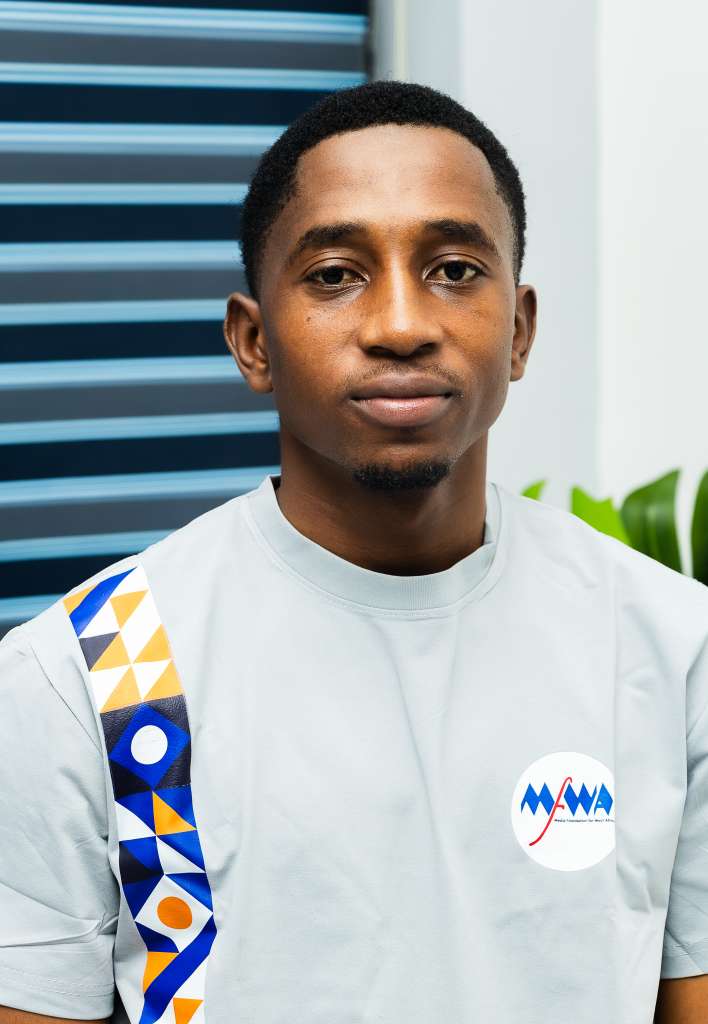
Gabriel Jackson Ocloo is a results-driven multimedia journalist with strong interest in human interest, legal and investigative reporting. With hands-on experience in news production at Media General’s TV3, he combines strong production and editorial judgement for good production and storytelling. He is passionate about reporting relevant and troubling issues in the country that needs attention and contributes to development and accountability.
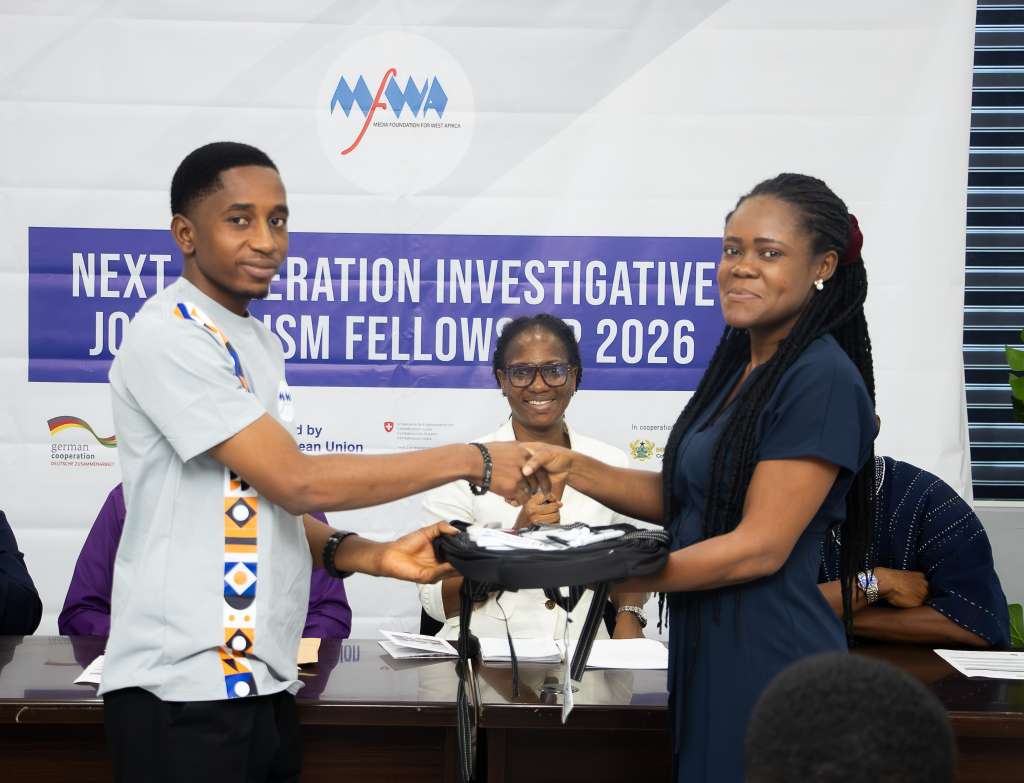
Through the Next Generation Investigative Journalism Fellowship, Jackson seeks to develop in-depth investigative skills, data analysis, fact checking skills and knowledge on the right to information law as well as to learn from experienced mentors and produce accountability and impact driven stories.
Mamavi Sephakor Tay
 Mamavi Sephakor Tay is a journalist at JoyNews dedicated to reporting on governance and public accountability in Ghana. Throughout her career, she has built an extensive portfolio covering everything from public sector reform to political party dynamics, always with an eye toward how policy affects the average citizen.
Known for her factual accuracy and ability to simplify complex issues, Mamavi’s work spans both field and television journalism. She is currently pivoting into investigative journalism, focusing on anti-corruption and institutional oversight to produce high-impact stories that champion transparency and democratic integrity
About the Next Generation Investigative Journalism (NGIJ) Fellowship
The Next Generation Investigative Journalism Fellowship (NGIJ) is a training and mentorship programme that seeks to empower young journalists with investigative journalism skills. The objective is to build a pool of next generation investigative journalists who will contribute to improving lives and promoting good governance through journalism excellence.
The NGIJ programme builds the capacity of early-career journalists in the West Africa region to be able to conduct critical, high-quality, fact-based and in-depth reporting.
The eighth edition of the Next Generation Investigative Journalism (NGIJ) Fellowship forms part of activities being implemented by the MFWA under the project titled, “Countering corruption through accountability journalism and improved freedom of expression environment in Ghana”. The project seeks to strengthen the capacity of selected journalists/young professionals to produce investigative reports around issues of corruption and promote accountability that addresses socio-economic disparities.
This initiative is part of the Participation, Accountability, Integrity for a Resilient Democracy (PAIReD) programme, commissioned by the German Federal Ministry for Economic Cooperation and Development (BMZ), co-financed by the EU and the Swiss State Secretariat for Economic Affairs (SECO), and implemented by GIZ in cooperation with the Ministry of Finance.