
On January 16, 2026, Mali’s Ministry of Territorial Administration and Decentralisation banned the circulation, distribution and sale of the magazine Jeune Afrique across the country.
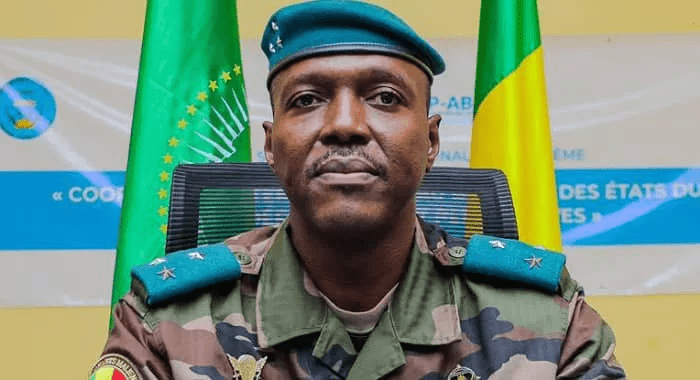
In a press release signed by Prime Minister and Minister of Territorial Administration, Major General Abdoulaye Maïga, the authorities stated that the magazine was prohibited “in all its forms” in the Republic of Mali, citing the need to preserve public order.
The ministry accused Jeune Afrique of “apologia for terrorism”, “defamation”, “incitement to hatred” and making what it described as “fallacious and subversive accusations” against Malian authorities and the Alliance of Sahel States, which comprises Mali, Burkina Faso and Niger. It also warned that anyone who violates the decision would be subject to sanctions under existing regulations.
Jeune Afrique has denied the accusations, describing them as part of a broader pattern of criminalising reporting that does not align with official narratives.
The ban followed reporting by Jeune Afrique on Mali’s worsening fuel crisis, including a January 15 article examining President Assimi Goïta’s handling of prolonged fuel shortages amid insecurity. The publication has also reported on alleged abuses by security forces in Mali and other Sahel countries.
During the ongoing transition period, other international media outlets have faced restrictions in Mali. In 2025, the High Authority for Communication removed French television channels LCI and TF1 from broadcast packages, citing serious breaches of ethics and professional conduct. TV5 Monde was also suspended in May 2025 following a report deemed biased by regulators.
The Media Foundation for West Africa (MFWA) condemns the ban on Jeune Afrique. Restrictions on circulation and online access constitute a serious interference with the public’s right to receive information.
The MFWA urges the Malian transitional authorities to review this decision and to ensure that any concerns about media content are addressed through lawful, transparent and proportionate measures rather than outright bans. Respect for press freedom and open debate remains essential, particularly in periods of political transition.