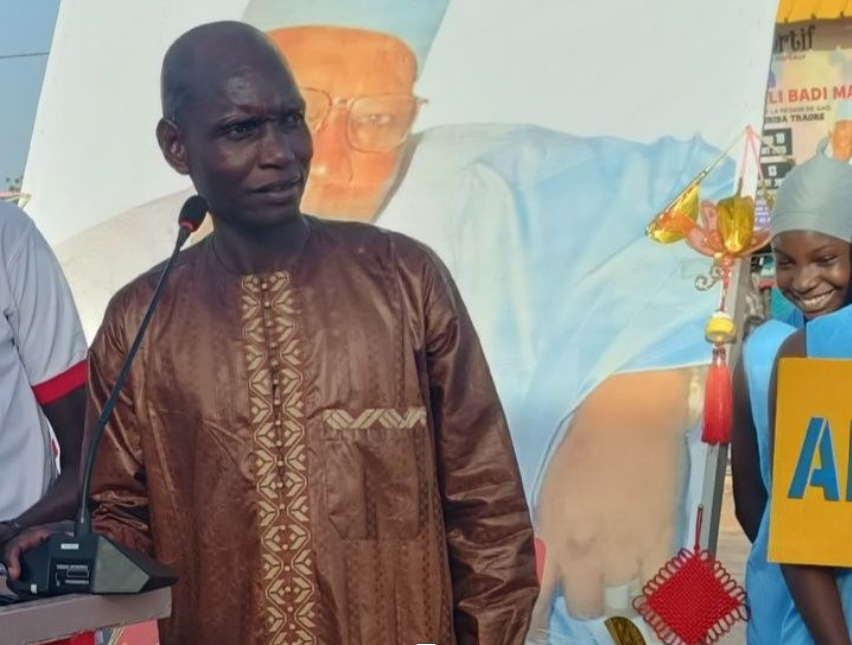

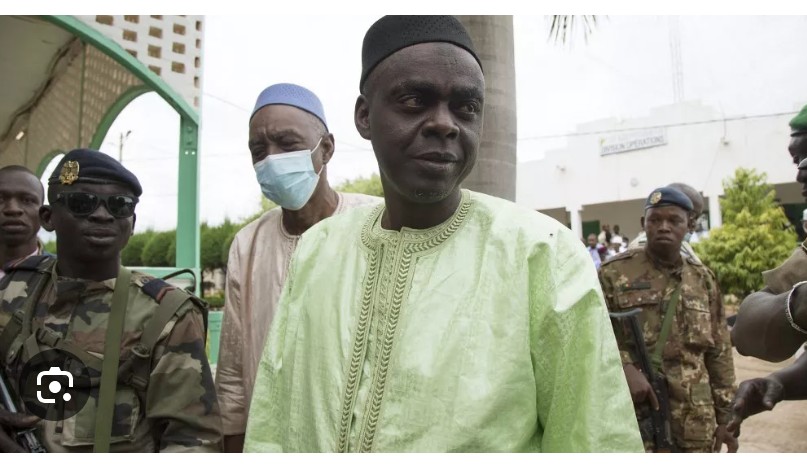
Political commentator and former legislator Issa Kaou N’Djim has been released from prison in Bamako after serving one year of a two-year sentence for comments deemed insulting to Burkina Faso’s military authorities. His family confirmed that he returned home at 11:00 a.m. (GMT) on November 13, 2025, exactly one year after his arrest.
N’Djim, a former vice-president of Mali’s National Transitional Council (CNT) and a prominent public critic, was arrested on November 13, 2024, following remarks he made on Joliba TV News. During the programme, he questioned the credibility of Burkina Faso’s announcement that it had foiled a coup attempt. Malian prosecutors charged him with publicly offending a foreign head of state and using an information system to spread offensive statements. In December 2024, he was sentenced to two years in prison, with one year suspended.
His imprisonment formed part of a broader clampdown on independent commentary in Mali. Joliba TV News, the station on which he made the remarks, was suspended for six months after the Burkinabè media regulator petitioned its Malian counterpart over the programme. The suspension was lifted in May 2025 after negotiations and an apology issued by a Malian media association.
N’Djim’s case also followed earlier confrontations with the authorities. In December 2021, he received a six-month suspended sentence for comments deemed to undermine the state. He was later dismissed from the CNT after publicly urging a quicker return to constitutional rule.
His family has expressed relief at his release, though concerns remain about ongoing restrictions on dissent in Mali. The country, along with Burkina Faso and Niger, is governed by a military-led bloc that has adopted increasingly repressive measures against journalists, media houses and commentators. Arrests, suspensions and prosecutions have continued under the Alliance of Sahel States (AES), formed in 2023 by the three juntas.
The Media Foundation for West Africa urges the Malian authorities to uphold constitutional and regional standards that guarantee freedom of expression, and to end the criminalisation of commentary, criticism and independent reporting.